
 https://www.siminyousefi.com/
The Role of LEED in the Future of Sustainable Architecture and Urban Planning
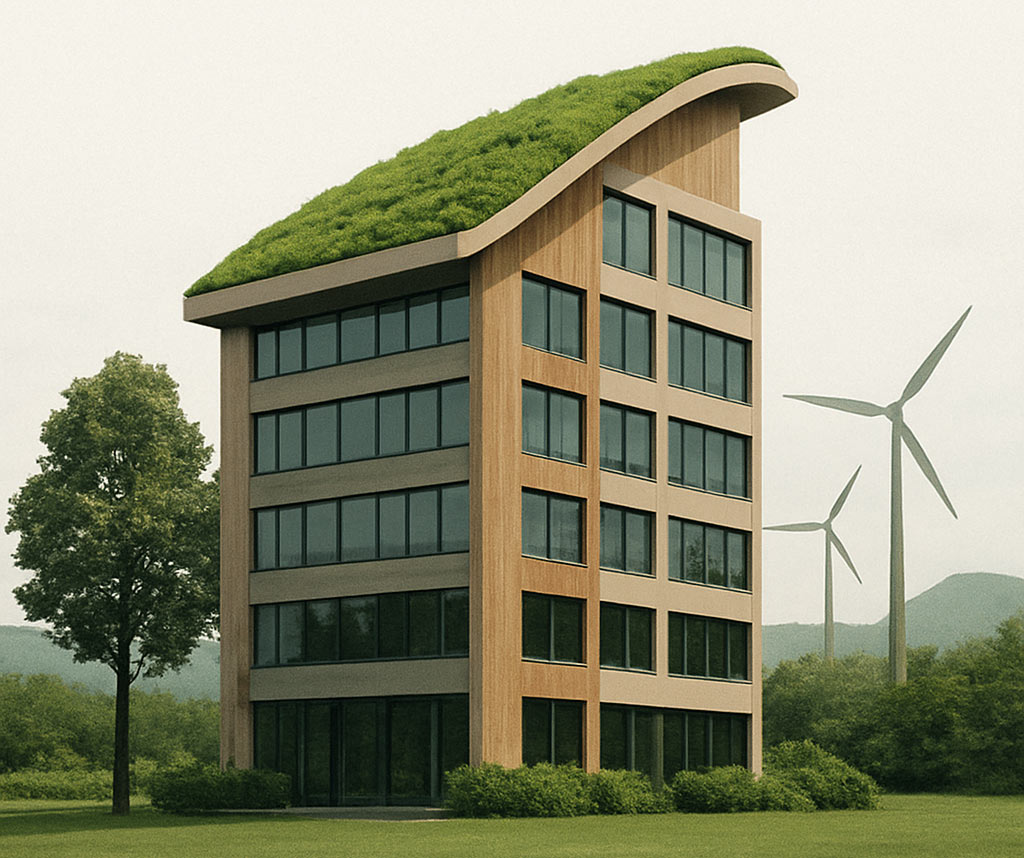
In the face of environmental crises, resource scarcity, and global climate change, the role of systems such as LEED will become increasingly significant in the future of architecture and urban development. As an international standard tool, LEED not only provides a technical framework for designing green buildings but also guides architects, urban planners, and investors toward sustainability. By integrating science, technology, and policymaking, this system directs projects toward energy efficiency, pollution reduction, and improvement of urban quality of life.
Looking ahead, LEED can serve as a global platform for integrating environmental policies into cities. With population growth and urban expansion, challenges such as traffic, pollution, excessive energy consumption, and urban heat are on the rise. Certifications like LEED can become enforceable tools in urban construction laws, ensuring that only projects meeting minimum sustainability criteria are granted permission for construction or operation.
Moreover, LEED is not limited to individual buildings. Versions such as LEED for Neighborhood Development make it possible to assess sustainability at the scale of neighborhoods, districts, or even entire cities. As a result, the future of urban planning can be based on a set of strategies for public transportation, green spaces, land use, carbon reduction, and the promotion of social equity.
In the field of architecture, LEED not only helps optimize the technical performance of buildings but also acts as a driver of innovation in design, the use of smart technologies, and the enhancement of the architect’s role in sustainable development. Architects of the future will increasingly need a deep understanding of concepts such as life cycle assessment of materials, net-zero energy, and climate-responsive design.
Ultimately, LEED can become recognized as a global benchmark of building quality—one that goes beyond aesthetics to represent the environmental, social, and economic performance of a building or city. Therefore, adopting and expanding the use of this system in developing countries is not merely a technical choice but a strategic necessity for conserving resources, enhancing public well-being, and joining the global movement toward sustainable development.
References:
1. Razavinasab.Seyedhossein, Yousefi.Simin, California Academy of Sciences The 21st Century Noah’s Ark, 2025
 https://www.siminyousefi.com/
 https://www.siminyousefi.com/
 https://www.siminyousefi.com/
 https://www.siminyousefi.com/
 https://www.siminyousefi.com/
 https://www.siminyousefi.com/