
 https://www.siminyousefi.com/
Promoting Sustainability
Buildings can contribute to raising awareness about sustainability, and some sustainable designers use their projects as educational tools. Clients, local authorities, consultants, builders, building users, and the general public can learn about sustainability both from completed buildings and from the construction process itself.
Learning how sustainable buildings operate not only increases awareness but also supports more efficient building performance. The success of a sustainable design strategy largely depends on how occupants use the building. Certain aspects of sustainable design are vulnerable to misuse, which can undermine their benefits. For example, even a well-insulated building will consume large amounts of heating energy if its windows are left open frequently. Unless occupants understand how the building works and the rationale behind its design, its performance is likely to suffer.
A comprehensive sustainable building design strategy should therefore include raising overall awareness about sustainability, educating clients and project teams on sustainable design approaches, and informing users about how the building functions. In addition, sustainable buildings should be monitored, and their design strategies and performance evaluated. This process can promote sustainable design by enhancing collective knowledge and understanding of how sustainable buildings perform, while also preventing the repetition of unsuccessful design practices.
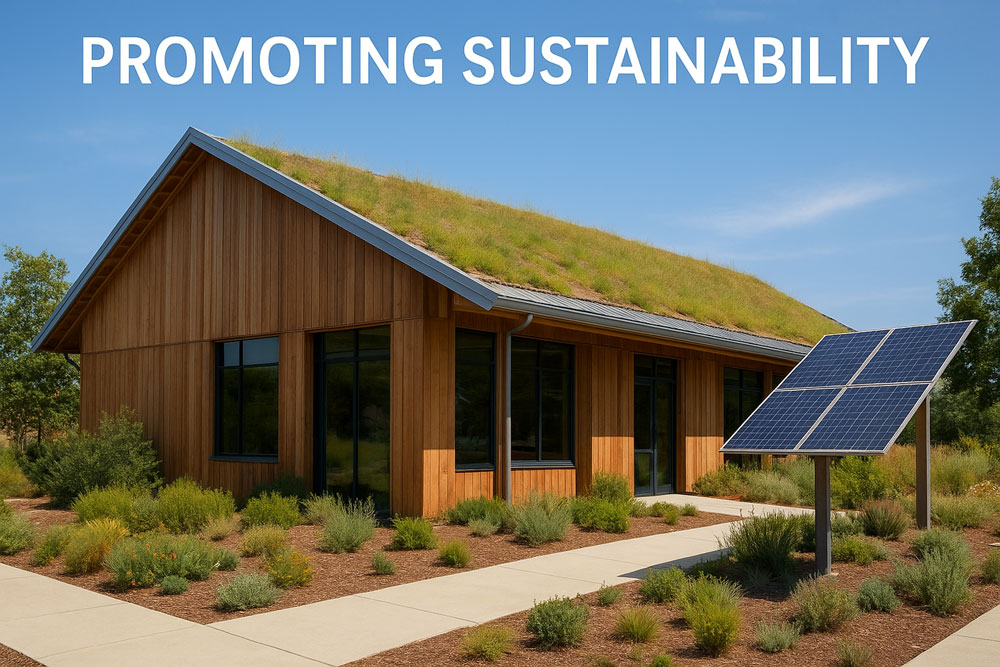
In some cases, the building itself is used as an educational or demonstrative tool to showcase how effective sustainable design systems can be and how easily they can be integrated into a structure. Sometimes, information about environmental issues and building design is displayed within the building for visitors and users.
In all projects, opportunities for enhancing sustainability begin with setting appropriate goals to achieve a sustainable building. Clients—the individuals who ultimately commission and finance building projects—play a crucial role. The first step is to ensure that they are aware of the importance of sustainability and the potential for development it holds. The benefits of sustainable buildings are increasingly being recognized and quantified, and many completed projects exist that can demonstrate these benefits to potential clients.
References:
1. Razavinasab.Seyedhossein, Yousefi.Simin, California Academy of Sciences The 21st Century Noah’s Ark, 2025
2. Sassi, P., Strategies for sustainable architecture. 2006: Taylor & Francis.
 https://www.siminyousefi.com/
 https://www.siminyousefi.com/
 https://www.siminyousefi.com/
 https://www.siminyousefi.com/
 https://www.siminyousefi.com/