Interview Overview

A 43‑year‑old man runs Narekouh Eco‑Lodge in Narekouh village, near Dayyer, Bushehr. The 40‑guest lodge has operated for nine years. Guests visit Nakhiloo Island (turtle nesting), Mond protected area (gazelles), and the Jashak salt dome. The owner runs a sustainable development institute monitoring turtles, dolphins, and birds. Traditional architecture (halali arches, mudbrick, Kaper seating). Khayyam music. A moving story of two cyclists whose negative view of Iran turned positive.

Participant Profile

Age: 43

Gender: Male

Capacity: 40 guests

Experience: 9 years

Interview Type: Telephone

Interview Date: December 10, 2025

Accommodation: Narekouh Eco-Lodge

Location: Narekouh Village-Dayyer-Bushehr

Photos: Seyedhossein Razavinasab


Interview ID:

1,864

Narekouh Eco-Lodge, Narekouh Village (Dayyer): Interview Analysis with a 43-Year-Old Male Owner

August 12, 2026

Abstract

This interview analysis explores the perspectives of a 43‑year‑old male owner of Narekouh Eco‑Lodge in Narekouh village, near Dayyer, Bushehr province. The lodge accommodates 40 guests and has operated for nine years – one of the longest‑running establishments in this series. Located near Nakhiloo Island, the Mond protected area (home to the Jebeer gazelle), the Hara jungle, and the Jashak salt dome, the lodge attracts both domestic and international tourists seeking nature, wildlife, and cultural immersion.

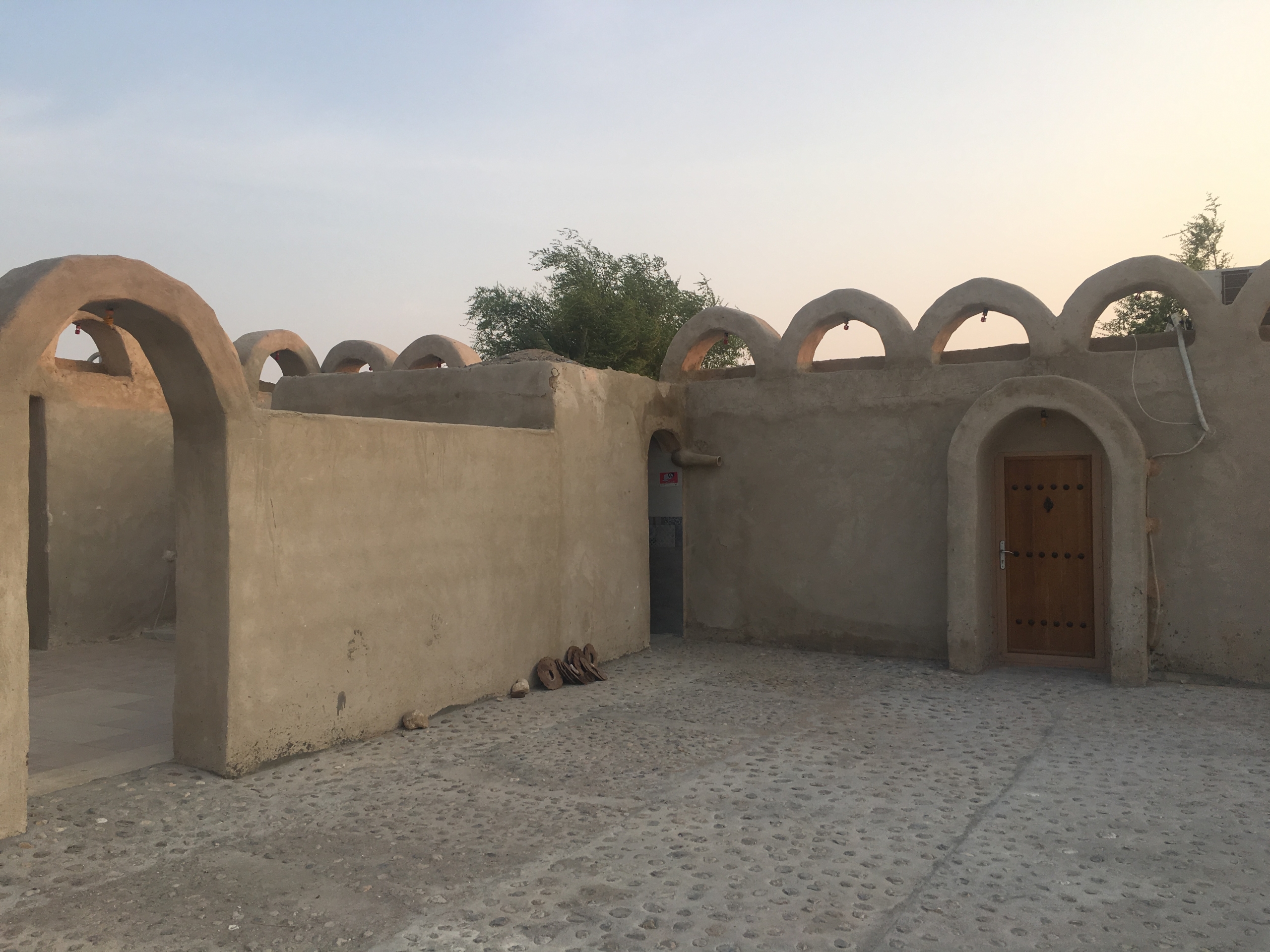
The owner deliberately preserved traditional elements: halali (L‑shaped) arches, mudbrick (kâhgel) walls, floor sleeping, and Kaper (traditional seating). A small museum displays old tools – water‑drawing wheels (Dool), palm‑leaf baskets, and fishing gear – explained to interested guests. Food includes Ranginak, date halva, Lurak, local cheese and oil, stuffed fish, and Majbus. Khayyam music (local Bushehri style) is part of the cultural experience.

A distinctive feature is the owner’s Sustainable Development Institute, focused on monitoring and protecting sea turtles (Hawksbill), dolphins, seabirds, and gazelles. He provides hay and water for gazelles during drought and conducts daily/nightly patrols to deter poachers. His presence has significantly reduced illegal hunting in the area.

The owner contrasts eco‑lodges with hotels: guests come for human connection, not sterile comfort. A powerful story involves two international cyclists, exhausted and sunburned after 32km of riding, who arrived expecting a hotel – but found a village lodge. They left with a completely positive view of Iran after the owner’s warm reception. Despite severe infrastructure challenges (water by tanker, gas from 40km away, no nearby shops), the owner persists out of love for his homeland. This case presents a model of passionate, conservation‑driven hospitality where personal sacrifice and environmental stewardship define the experience.

Extracted Insights

Key findings from the field interview

1. Unique Natural Assets: Nakhiloo Island, Mond Protected Area, and Salt Dome

The lodge is strategically located at the intersection of several remarkable natural attractions that draw visitors from both Iran and abroad. Nakhiloo Island, a pristine and uninhabited island, serves as a critical nesting ground for Hawksbill sea turtles from spring to mid‑spring, and is also home to numerous migratory seabirds. The Mond protected area, home to the Jebeer gazelle, offers wildlife enthusiasts a chance to observe this species in its natural habitat. The Hara jungle (mangrove forests) and the Jashak salt dome – the largest in the Middle East – further enrich the region’s biodiversity and geological appeal. According to the owner, approximately 80% of visitors come specifically for Nakhiloo Island, making it the primary driver of tourism to the area.

2. The Sustainable Development Institute: Active Conservation in Practice

The owner has founded a Sustainable Development Institute that operates directly from the lodge, reflecting his deep commitment to environmental protection. The institute’s activities include monitoring sea turtles, dolphins, and seabirds through daily and nightly patrols to prevent poaching and illegal hunting. During drought periods, the owner provides hay, straw, and water for gazelles – the lodge is intentionally kept open to wildlife. Environmental education for visitors is another core component, as the owner believes that awareness is key to long‑term conservation. His presence has significantly reduced illegal hunting in the area; poachers are deterred by his reputation and vigilance. This conservation work is not a side activity – it constitutes 70‑80% of his operational focus, demonstrating that his hospitality business is inseparable from his environmental mission.

3. Architecture and Museum: Preserving Material Heritage

The lodge’s physical design deliberately preserves traditional architectural elements of the region. Halali arches – traditional L‑shaped or angled arches dating back 50‑100 years – are a prominent feature, along with mudbrick (kâhgel) walls consistent with southern Iranian building techniques. The owner has also retained Kaper, a traditional floor‑level seating and sleeping arrangement, as the primary accommodation style. Additionally, a small on‑site museum displays historical everyday items: water‑drawing wheels (Dool), palm‑leaf baskets, fishing tools, and other implements that were once essential to local life. The owner personally explains the function and cultural significance of these objects to interested guests, transforming the lodge into a living archive of regional material culture.

4. Authentic Local Food

Food is a central pillar of the guest experience, with the owner offering traditional Bushehri dishes that have remained unchanged for generations. The menu includes Ranginak (a date‑based sweet), date halva, Lurak (a local dish), local cheese and oil, stuffed fish, and Majbus (spiced rice with meat or fish). The owner emphasises that these dishes are not modified for tourist palates – they are the same foods his ancestors prepared and consumed. One guest was so moved by the meal that he remarked, “Now it is halal for me to die,” meaning he had no regrets after experiencing the authentic flavours of the region.

5. Khayyam Music and Cultural Performance

Khayyam reading, a traditional Bushehri musical form, is offered as part of tours and cultural programmes. The owner considers this art form an essential element of regional identity, distinct from other Iranian musical traditions. By integrating Khayyam music into the guest experience, he ensures that visitors not only see the landscape but also hear the region’s cultural voice, creating a more immersive and holistic encounter with Bushehri heritage.

6. Eco‑Lodge vs. Hotel: The Human Connection

The owner articulates a clear philosophical distinction between eco‑lodges and hotels. In a hotel, he explains, guests receive sterile comfort and standardised service, but there is little meaningful interaction with the host. In an eco‑lodge, the primary offering is human connection – conversation, shared meals, and a glimpse into rural life. Guests come for the warmth of the host, the village atmosphere, and the authenticity of a working agricultural community, not for luxury. He treats dignitaries – even presidents and governors – with the same casual, unaffected hospitality as any other guest, without suits or formality, reflecting his belief that authenticity lies in genuineness rather than performance.

7. The Cycling Tourists Story: Changing Negative Perceptions of Iran

One of the most powerful anecdotes from the interview involves two international cyclists who arrived at the lodge exhausted and sunburned after a 32‑kilometre ride in the hot spring weather. They had been regretting their route, expecting nothing of value in the area. When they saw the lodge sign, they envisioned a hotel with a coffee shop – but instead found a remote village. However, after a warm welcome, cold drinks, traditional food, and two days of rest, their perspective transformed completely. They told the owner, “Our view of Iran has completely changed – from negative to positive.” The owner notes that he has endured extreme infrastructure challenges – water by tanker, gas from 40 kilometres away, and two‑hour trips for supplies – specifically to be the person who changes foreign visitors’ perceptions of Iran. He feels, however, that the government does not recognise or value this sacrifice.

8. Economic Sacrifice and Family Dedication

The owner is remarkably candid about the economic realities of his work. He states bluntly, “The economic side of this work is zero – but the cultural and artistic side is high.” He advises potential eco‑lodge owners that begging might be more profitable than running such an establishment. He and his family have sacrificed time, capital, and daily comfort to preserve and promote regional culture, living at what he describes as a “zero‑point border” far from urban services. His motivation is not financial gain but a deep love for his homeland and a commitment to showing its true face to the world.

9. Adaptive Authenticity: No Changes, No Concealment

The owner has not modified the traditional elements of the lodge to cater to tourist expectations, nor does he conceal any aspect of local life. Even hunting tools are displayed and explained as part of the region’s heritage, without judgment or concealment. He believes that Iranians’ historical relationship with hunting is part of their nature, but he educates visitors about current restrictions and the importance of conservation. Nothing is hidden – the lodge and its surrounding village are presented as they truly are, with all their complexities and contradictions.

10. Guest Feedback: Emotional Connection Over Luxury

The owner consistently receives feedback that highlights the emotional connection guests develop with the lodge. One long‑term guest from Tehran, who had visited Kish Island’s luxury hotels for 12 years, told him: “The feeling I get here – I have never felt in those hotels. I wish I were back in your lodge even in summer, even when you go fishing.” Guests consistently express nostalgia and emotional attachment to the lodge, returning repeatedly and maintaining long‑term relationships with the owner. This emotional resonance, rather than any material luxury, is the true measure of his success.

Conclusion

Narekouh Eco‑Lodge in Narekouh village offers a profoundly passionate, conservation‑driven model of hospitality – where personal sacrifice, environmental stewardship, and cultural transmission are inseparable. Its success rests on several key pillars:

  • Exceptional natural assets: Nakhiloo Island (turtle nesting), Mond protected area (gazelles), Hara jungle, and Jashak salt dome.
  • Active conservation: A Sustainable Development Institute conducting daily patrols, wildlife monitoring, and drought feeding – reducing poaching significantly.
  • Preserved material heritage: Halali arches, mudbrick, Kaper seating, and an on‑site museum of traditional tools.
  • Authentic cuisine: Unmodified traditional dishes (Ranginak, Lurak, stuffed fish, Majbus) that delight guests.
  • Khayyam music: Preserving regional musical identity.
  • Philosophical clarity: Contrasting eco‑lodges with hotels – connection over comfort.
  • Unflinching honesty: Displaying all aspects of heritage, including historical hunting tools, while educating guests.
  • Emotional impact: Stories of international cyclists changing their negative view of Iran, and Tehran guests expressing lifelong nostalgia.
  • Sacrifice and love for homeland: Enduring severe infrastructure challenges (water tankers, remote gas supplies) out of love for country – while feeling unsupported by the state.

The lodge demonstrates that authenticity in ecotourism is not a product – it is a sacrifice. The owner has given up economic comfort, urban convenience, and family time to live at a remote border point, protecting wildlife and welcoming strangers with unconditional warmth. This case offers a profound lesson for cultural tourism: when hospitality is an act of love for land and community, it transforms not only guests – but also the host. And that transformation, however unrecognised by the state, is its own reward.