
Interview Overview

A 35‑year‑old woman co‑runs Narekouh Eco‑Lodge in Narekouh village, near Dayyer, Bushehr. The lodge, established in 2016 (9 years ago), was the first eco‑lodge in Bushehr province. It accommodates 20 guests and serves meals for up to 100. Guests experience Khayyam music, mangrove boat tours, dolphin watching, and turtle nesting on Nakhiloo Island. Traditional sleeping (Kaper, Lokeh) and a dark‑sky astronomy centre define the experience. The lodge prioritises heartfelt hospitality over profit.

Participant Profile

Age: 35

Gender: Female

Capacity: 40 guests

Experience: 9 years

Interview Type: Telephone

Interview Date: December 10, 2025

Accommodation: Narekouh Eco-Lodge

Location: Narekouh Village-Dayyer-Bushehr
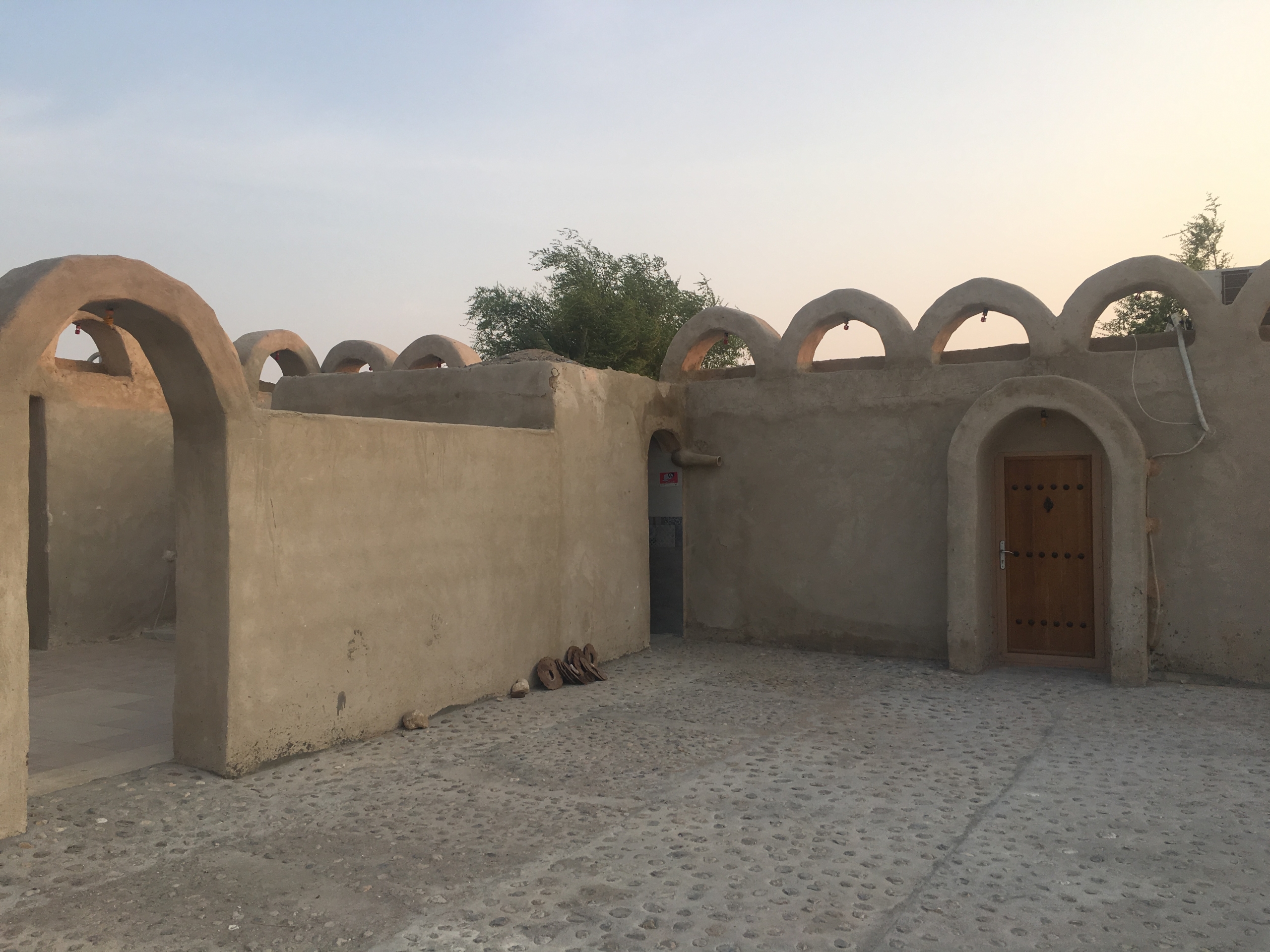
Photos: Seyedhossein Razavinasab


Interview ID:

1,910

Narekouh Eco-Lodge, Narekouh Village (Dayyer): Interview Analysis with a 35-Year-Old Female Owner

August 12, 2026

Abstract

This interview analysis explores the perspectives of a 35‑year‑old female co‑owner of Narekouh Eco‑Lodge in Narekouh village, near Dayyer, Bushehr province. Established in 2016 (9 years ago), this lodge holds the distinction of being the first eco‑lodge in Bushehr province – a pioneering establishment that set the standard for rural hospitality in the region. The lodge accommodates 20 guests for overnight stays and serves meals for up to 100 people, reflecting its dual focus on intimate lodging and community dining.

The owner describes the lodge as a labour of love rather than a commercial enterprise. Guests are primarily nature lovers seeking tranquillity, and the lodge has hosted international visitors from Las Vegas, Switzerland, and Italy who chose this experience over luxury hotels. A defining philosophy emerged during the lodge’s opening: a heritage official advised against whitewashing the walls, insisting that the children’s pencil marks and scratches should remain as authentic traces of family life. This ethos of preserving rather than perfecting has guided every decision since.

The lodge offers deeply immersive cultural experiences: Khayyam music performed with bagpipes (ney‑anbân), boat tours through the Hara mangrove forests to observe Indo‑Pacific humpback dolphins, and visits to Nakhiloo Island – a critical nesting ground for the endangered Hawksbill sea turtle. Traditional sleeping arrangements include Kaper (a square palm‑leaf hut for sitting and dining) and Lokeh (a raised palm‑leaf platform for sleeping, elevated to protect against scorpions and insects). An on‑site astronomy centre takes advantage of Narekouh’s exceptionally dark skies – recognised by Iran’s astronomy teachers’ association as one of the country’s best stargazing locations.

The lodge operates a Sustainable Development School, which has educated thousands of students over the past two to three years, teaching environmental conservation, turtle protection, and the integration of astronomy with ecology. The owner is also a charcoal sketch artist, though she removed her artworks from the entrance after guest feedback deemed them inconsistent with the eco‑lodge aesthetic. This case presents a model of heart‑driven, ecologically‑grounded hospitality – where authenticity is found in imperfection, in the traces of family life on the walls, in the darkness of the sky, and in the endangered species the lodge helps protect.

Extracted Insights

Key findings from the field interview

1. The First Eco‑Lodge in Bushehr Province (2016)

Established in 2016, Narekouh Eco‑Lodge holds the distinction of being the first eco‑lodge in Bushehr province. At the time of its opening, there was no local precedent to guide the owners – they had to develop their model from scratch. The owner recalls that despite the lack of experience, she did not try to “modernise” the space; instead, she embraced the imperfections and history already present in the building. This pioneering role has given the lodge a special place in the region’s tourism history.

2. Preserving Imperfection: The Wall Art Philosophy

One of the most defining moments in the lodge’s design came during its opening preparations. The owner wanted to whitewash the walls and apply fresh plaster. However, a heritage official advised against it, saying: “This would change the meaning of ‘bom’ (vernacular architecture). The guests should see what you truly are – not something artificial. The pencil marks and scratches of your children on the walls are part of your family’s story. You can even invite guests’ children to draw on the walls.” This philosophy of preserving lived traces rather than creating a sanitised, “perfect” space has become the lodge’s core identity. Nothing is hidden or polished away – the building’s history, with all its imperfections, is presented as authentic heritage.

3. Khayyam Music with Bagpipes (Ney‑Anbân)

Khayyam reading, performed with the bagpipes (ney‑anbân), is one of the lodge’s most cherished cultural offerings. The owner describes it as a powerful, energising experience that conveys the warmth and spirit of Bushehr. The poems are drawn from Khayyam’s divan, and the music is so evocative that even speaking about it stirs excitement in the owner. This art form is not merely a performance for tourists; it is a living tradition that connects visitors to the region’s poetic and musical heritage.

4. Boat Tours in the Hara Mangrove Forest and Dolphin Watching

The lodge organises boat tours through the Hara mangrove forests, where guests can observe the endangered Indo‑Pacific humpback dolphins in their natural habitat. The owner notes that these dolphins are not found everywhere in Bushehr – they are specific to this region. The combination of mangrove scenery, wildlife, and the sea creates a memorable experience that consistently receives positive feedback from international and domestic visitors alike.

5. Hawksbill Sea Turtle Conservation on Nakhiloo Island

Nakhiloo Island, located near the lodge, is a critical nesting ground for the critically endangered Hawksbill sea turtle (Eretmochelys imbricata). The owner highlights that a recent conservation seminar was held in London specifically to protect this species. The lodge actively participates in monitoring and protecting these turtles, and guests have the opportunity to witness this conservation work firsthand. One Italian guest, after seeing the turtles, called her children and said: “I have come to a place that is unparalleled in the world – I have seen dolphins, turtles, and the mangrove forest.”

6. Traditional Sleeping: Kaper, Lokeh, and Floor Sleeping

The lodge preserves traditional sleeping and seating arrangements that were used in the region for generations. Kaper is a square‑shaped hut made entirely of palm leaves, with only one opening – used for sitting, dining, and social gatherings. Lokeh is a raised sleeping platform constructed from palm trunks and leaves, elevated about one metre off the ground to protect against scorpions and small animals. The raised structure also provides natural cooling. Floor sleeping (khab‑e kaf) is also offered. These traditional arrangements are not merely decorative – they are functional and historically accurate, offering guests an authentic experience of how locals lived before modern furniture.

7. Dark‑Sky Astronomy Centre

Narekouh village has exceptionally dark skies with minimal light pollution. The head of Iran’s astronomy teachers’ association visited and confirmed that the sky over Narekouh is among the best in the country for stargazing. The lodge has established an on‑site astronomy centre, offering stargazing events and educational programmes. This astronomical asset is actively marketed as a unique differentiator, combining natural beauty with scientific education.

8. Heart‑Driven Hospitality Over Commercial Profit

The owner states candidly that the lodge has always been a labour of love, not a profit‑driven business. She recalls instances where guests – including a cyclist travelling on a tight budget – were offered a 50% discount or even free accommodation and meals. The lodge has also hosted international cyclists from Switzerland who arrived exhausted and sunburnt; they were deeply moved by the warmth of the reception, with one guest calling the owner “an angel.” This approach of prioritising human connection over profit has built a loyal, word‑of‑mouth clientele.

9. The Sustainable Development School

The lodge operates a Sustainable Development School, which has hosted thousands of students over the past two to three years. The school provides environmental education, teaching students how to protect turtle nests, preserve mangrove forests, and understand the importance of biodiversity. The school also integrates astronomy with ecology, showing students how the dark sky and the natural landscape are interconnected. This educational mission is central to the lodge’s identity and extends its impact beyond tourism.

10. Nothing Hidden – Even Personal Art Was Removed on Feedback

The owner is a charcoal sketch artist and initially displayed several of her artworks at the lodge’s entrance. However, guests and tourism professionals suggested that the artworks were not consistent with the eco‑lodge aesthetic. She removed them without hesitation. This demonstrates an uncommon openness to feedback – even when it involved removing a personal expression – because the guest experience and authenticity of the space take precedence. The owner cannot recall any aspect of local life that she has ever hidden from guests; everything is presented transparently.

Conclusion

Narekouh Eco‑Lodge in Narekouh village, as the first eco‑lodge in Bushehr province, offers a deeply heart‑driven, ecologically‑grounded model of hospitality – where authenticity is found in imperfection, in the darkness of the sky, and in the protection of endangered species. Its success rests on several key pillars:

  • Pioneering status: Established in 2016 as Bushehr’s first eco‑lodge, setting the standard for rural hospitality in the province.
  • Embracing imperfection: Preserving children’s pencil marks on the walls as authentic traces of family life – a powerful rejection of sanitised tourism.
  • Khayyam music with bagpipes: Offering a vibrant, authentic musical experience that embodies the spirit of Bushehr.
  • Marine and mangrove experiences: Boat tours through Hara forests, dolphin watching, and visits to Nakhiloo Island’s turtle nesting grounds.
  • Traditional sleeping (Kaper and Lokeh): Preserving functional, historically accurate palm‑leaf huts and raised sleeping platforms.
  • Dark‑sky astronomy centre: Capitalising on Narekouh’s exceptional night skies – recognised by national experts.
  • Heart‑driven hospitality: Offering discounts, free stays, and warm reception to budget‑travellers – prioritising connection over profit.
  • Sustainable Development School: Educating thousands of students in environmental conservation and the integration of astronomy with ecology.
  • Responsive openness: Removing personal artworks on guest feedback – demonstrating humility and commitment to authenticity.
  • Transparency: No aspect of local life is hidden; everything is shared openly with visitors.

The lodge demonstrates that authenticity in ecotourism is not about perfection – it is about honesty, imperfection, and love. The owner has not tried to erase the family history written on the walls, nor has she commercialised her conservation work. Instead, she has built a space where visitors can experience the region’s natural and cultural treasures – from dolphins to dark skies – while being treated not as customers, but as guests welcomed into a living home. This case offers a profound lesson for sustainable tourism: when you protect your landscape, preserve your heritage, and treat strangers with unconditional generosity, you create something far more valuable than a business – you create a legacy.