Interview Overview

A 40‑year‑old man runs Moghdan Eco‑Lodge in Moghdan village, near Dayyer, Bushehr. The 30‑guest lodge has operated for three years. Guests include tomato traders, digital nomads, anglers, and nature tourists visiting the salt dome, desert, and Nakhiloo Island. Sleeping is floor‑based with one bedded room. Local seafood meals are outsourced. The owner is completing tour‑leader certification. On‑site micro‑businesses include quail farming and tomato processing.

Participant Profile

Age: 40

Gender: Male

Capacity: 30 guests

Experience: 3 years

Interview Type: Telephone

Interview Date: December 17, 2025

Accommodation: Moghdan Eco-Lodge

Location: Moghdan Village-Dayyer-Bushehr

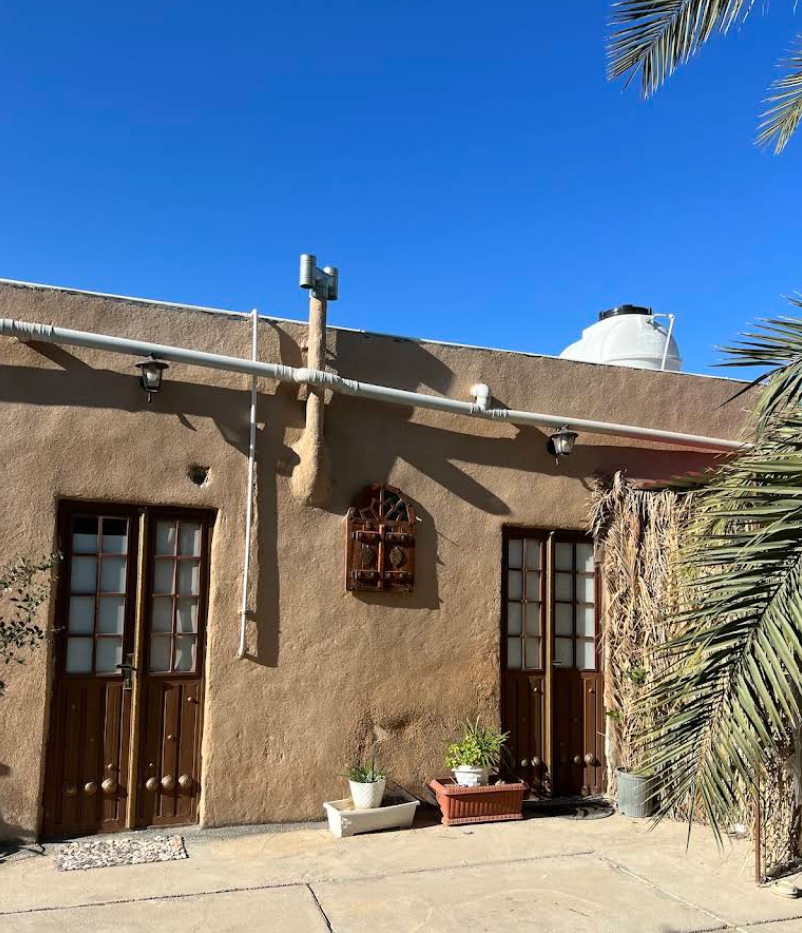
Moghdan Eco-Lodge, Moghdan Village (Dayyer)

Photo: Nazli Jamali


Interview ID:

1,854

Moghdan Eco-Lodge, Moghdan Village (Dayyer): Interview Analysis with a 40-Year-Old Male Owner

August 12, 2026

Abstract

This interview analysis explores the perspectives of a 40‑year‑old male owner of Moghdan Eco‑Lodge in Moghdan village, near Dayyer, Bushehr province. The lodge accommodates 30 guests and has operated for three years – one of the newer establishments in this series. Located in a renovated old house, the lodge attracts a remarkably diverse clientele: tomato traders and exporters (the region is a major tomato‑producing area), digital nomads seeking quiet workspaces, recreational anglers, and nature tourists visiting the Jashak salt dome, the desert, and Nakhiloo Island. International tourists also find the lodge through Google Maps while travelling between Khuzestan and Hormozgan.

Sleeping is predominantly floor‑based (khab‑e kaf), though one room has beds to accommodate varied preferences. Meals – featuring local seafood dishes like Ghalieh Meygu (shrimp stew), Ghalieh Mahi (fish stew), and Majbus – are outsourced to a local cook when demand is high, supporting the village economy. The owner is currently completing his tour‑leader certification and plans to offer guided tours in the future.

A distinctive feature is the lodge’s integration with local micro‑enterprises: the owner runs a quail farm and a tomato‑processing workshop producing paste, slices, powder, and pickles – sold to guests during the peak tourist season (February–April). Date production and mushroom cultivation are also planned. The owner emphasises that respectful, personal interaction with guests is central to his philosophy, and he has received repeat visitors and referrals primarily due to his warm hospitality and affordable rates. This case presents a model of diversified rural hospitality, where accommodation is embedded within a broader network of local agriculture, food processing, and emerging ecotourism services.

Extracted Insights

Key findings from the field interview

1. Diverse Guest Profiles: Beyond Typical Tourism

The lodge attracts an unusually varied clientele:

  • Tomato traders and exporters – the region is a major tomato‑producing area, and business visitors come for trade and export to Arab countries.
  • Digital nomads – individuals seeking a quiet, rural environment to work remotely with laptops, valuing the change of scenery.
  • Recreational anglers – visitors coming specifically for fishing experiences.
  • Nature tourists – visiting the salt dome, desert, and Nakhiloo Island.
  • International overland travellers – finding the lodge via Google Maps while journeying between Khuzestan and Hormozgan.

This diversity reduces seasonal dependency and broadens the lodge’s market appeal.

2. Floor Sleeping with One Bedded Room for Flexibility

Sleeping is predominantly floor‑based (khab‑e kaf) with traditional fabrics and designs, offering an authentic experience. However, the owner added one room with beds to accommodate guests who prefer or require them – a pragmatic response to diverse guest expectations, implemented after receiving feedback.

3. Outsourced Local Seafood Meals

Meals are outsourced to a local cook when guest numbers are high, featuring Bushehri seafood specialities: Ghalieh Meygu (shrimp stew), Ghalieh Mahi (fish stew), and Majbus. This model reduces operational costs for the lodge while directly supporting the local economy and ensuring authentic home‑style cooking.

4. On‑Site Micro‑Enterprises: Quail Farming and Tomato Processing

A distinctive feature of this lodge is its integration with local agricultural processing:

  • Quail farm – producing eggs.
  • Tomato processing workshop – producing tomato paste, slices, powder, and pickles, sold to guests during the peak tourist season (February–April).
  • Date production (summer) and planned mushroom cultivation.

This multifunctional approach creates additional revenue streams, provides unique souvenirs for guests, and strengthens the lodge’s connection to the local agrarian economy.

5. Tour‑Leader Certification in Progress

The owner recently passed the comprehensive nature‑tourism examination and is completing the interview stage with the Cultural Heritage Organisation. Once certified, he plans to offer guided tours – adding a new service layer to the lodge’s offerings. This reflects a deliberate, professional approach to developing his ecotourism skills.

6. Personal Hospitality as the Core Differentiator

The owner’s best feedback consistently relates to two areas:

  • Personal interaction – warm, respectful, and human‑centred treatment, which has generated repeat visits and referrals.
  • Affordable rates – the lowest accommodation rates in Bushehr province, combined with quality food.

He faced strong family opposition when starting (concerns about investment risk), but his lodge is now among the most booked in the region – a testament to the power of personal hospitality and word‑of‑mouth.

Camera Camera Photo: Yasamin Karimi

Jan 2025

7. Family‑Run and Community‑Embedded

The lodge is housed in a renovated old family house, avoiding new construction. The owner’s philosophy centres on preserving the traditional space while integrating with local supply chains (cooks, fishing captains, agricultural producers). This embeddedness reduces environmental impact and distributes economic benefits within the village.

Conclusion

Moghdan Eco‑Lodge in Moghdan village offers a distinctive model of diversified rural hospitality – a small, family‑run lodge that integrates accommodation with local agriculture, food processing, and emerging tour‑guiding services. Its success rests on several key pillars:

  • Diverse guest segments: Tomato traders, digital nomads, anglers, nature tourists, and international overland travellers – reducing seasonal dependency.
  • Flexible sleeping arrangements: Predominantly floor‑sleeping, with one bedded room for guest comfort.
  • Outsourced local meals: Seafood dishes prepared by a local cook, supporting the village economy.
  • On‑site micro‑enterprises: Quail farming, tomato processing (paste, powder, pickles), date production, and planned mushroom cultivation – creating souvenirs and additional income.
  • Tour‑leader certification in progress: Adding guided tours as a future service.
  • Personal hospitality as brand: Warm, respectful interaction generating repeat visits and referrals despite initial family scepticism.
  • Affordable pricing: The lowest rates in Bushehr, combined with quality food.
  • Adaptive responsiveness: Adding a bedded room based on guest feedback.

The lodge demonstrates that rural hospitality need not be a single‑service business. By embedding accommodation within a broader network of local production – from tomatoes to quail eggs – the owner has created a resilient, multifunctional enterprise that serves diverse travellers while sustaining the local economy. This case offers a valuable lesson for rural ecotourism: diversification, not specialisation, can be the key to resilience when tourists are as varied as your region’s produce.