Interview Overview

A 38‑year‑old man runs Jashak Eco‑Lodge in Jashak village, near Abdan, Bushehr. The 40‑guest lodge has operated for 14 years – the longest in this series. Located near the Jashak salt dome (Middle East’s largest, world’s second largest), guests explore salt caves, the Soro hot spring, and the Shahniya desert. Sleeping is floor‑based; en‑suite rooms being added. Local food (fish, Lalak, Dal Adas) and Khayyam music define the experience. The owner is a published tour leader.

Participant Profile

Age: 38

Gender: Male

Capacity: 40 guests

Experience: 14 years

Interview Type: Telephone

Interview Date: December 09, 2025

Accommodation: Jashak Eco-Lodge

Location: Jashak Village (Abdan)-Bushehr

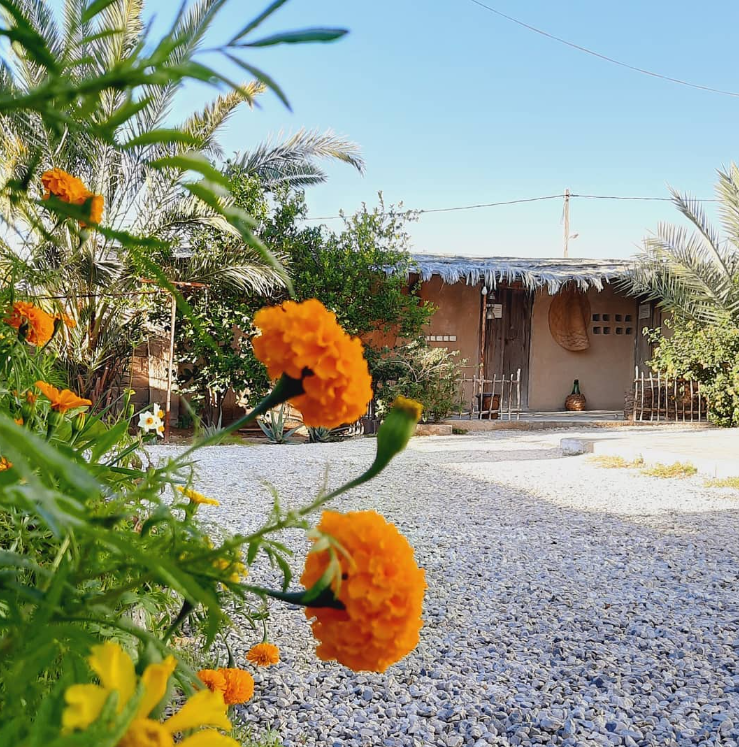
Jashak Eco-Lodge, Jashak Village (Abdan)

Photos: Property Owner


Interview ID:

1,837

Jashak Eco-Lodge, Jashak Village (Abdan): Interview Analysis with a 38-Year-Old Male Owner

August 12, 2026

Abstract

This interview analysis explores the perspectives of a 38‑year‑old male owner of Jashak Eco‑Lodge in Jashak village, near Abdan, Bushehr province. The lodge accommodates 40 guests and has operated for 14 years – the longest tenure in this series. Located just 6 kilometres from the Jashak salt dome – the largest in the Middle East and second largest worldwide – the lodge is the closest accommodation to this natural wonder.

The owner began as a tour leader, guiding groups to the salt dome, Soro hot spring, Shahniya desert, three islands, and Koluts (wind‑eroded formations). Noticing that guests lacked proper facilities – no toilets, showers, often sleeping in tents – he built three simple mudbrick rooms. The lodge has since expanded, and he is now adding en‑suite rooms. Sleeping remains floor‑based, and meals feature traditional dishes like Dal Adas, Lalak, and fresh fish, with transparent seafood pricing.

Cultural experiences include Khayyam reading and local music, though economic pressures have reduced group sizes. Two memorable stories illustrate the lodge’s human connections: a Swiss guest gifted him high‑quality hiking boots after seeing his worn‑out pair; another guest gave him binoculars, later traded for his mother’s dental treatment. The lodge employs local women in traditional dress, and the owner coordinates with other guides to keep the salt dome pristine – a rarity in the region. This case presents a model of persistent, community‑rooted hospitality grown from one man’s guiding passion into a regional landmark over 14 years.

Extracted Insights

Key findings from the field interview

1. Jashak Salt Dome – The World’s Second Largest Salt Dome

The lodge’s primary asset is its proximity (6km) to the Jashak salt dome, which the owner describes as the largest in the Middle East and second largest in the world – surpassing salt domes in Qeshm, Garmsar, and Hormoz. The salt dome offers spectacular caves, rainbow‑coloured arches (called “Rainbow Arch”), and unique rock formations. A 2‑ to 4‑hour hike is required to explore its highlights, including a popular “Kolut” (rock pillar) that brides use for professional photos – nicknamed the “Bride’s Atelier.” The owner advises visitors to bring gloves, comfortable shoes, and colourful clothing for photography.

2. From Tour Leader to Lodge Owner (14 Years of Growth)

The owner began as a tour leader, guiding groups to the salt dome and surrounding attractions. He noticed that guests had no proper facilities – sleeping in tents, with no toilets or showers in the hot climate. He built three simple mudbrick rooms, and over 14 years, the lodge expanded to its current 40‑guest capacity. He is now adding en‑suite rooms, responding to guest demand while preserving the traditional character. His 14 years of experience make him the most seasoned operator in this interview series.

3. Diverse Natural Attractions Beyond the Salt Dome

The owner promotes a rich portfolio of nearby attractions:

  • Soro hot spring (20km away) – therapeutic waters with a swimming pool.
  • Tang-e Khoshk spring – another natural water feature.
  • Shahniya desert – a desert landscape on the opposite side.
  • Three islands (60km away): Umm Al‑Goram, Nakhiloo, and Tahmadu (Tahmadun).
  • Koluts – wind‑eroded rock pillars scattered across the region.

This diversity allows guests to experience sea, desert, mountains, and salt formations within a single trip.

4. Floor Sleeping and En‑Suite Upgrades

Sleeping arrangements remain floor‑based (khab‑e kaf) with blankets and pillows – reflecting the traditional style. However, the owner is in the process of adding two en‑suite rooms to accommodate guests who prefer private bathrooms. This represents a selective, guest‑driven modernisation that does not compromise the overall traditional character. The owner also mentions that older guests sometimes need beds for comfort, and he is considering this for some rooms.

5. Authentic Local Food with Fresh Ingredients

The lodge serves:

  • Dal Adas (lentil stew) for dinner.
  • Local cutlets.
  • Lalak (crushed wheat) – a traditional side dish that guests often ask for more of.
  • Fresh fish – either fried or in Ghalieh Mahi (a traditional Bushehri fish stew).
  • Torshak and Kakul – local wild herbs that are incredibly popular. Guests frequently ask: “Can we have more of that yellow stuff?” (referring to Lalak).

Seafood prices fluctuate daily, so the owner confirms prices with group leaders 1‑2 days before arrival. This transparency prevents surprises and allows groups to decide in advance.

6. Cultural Experiences: Khayyam Reading and Local Music

The owner actively offers Khayyam reading and local music as cultural experiences. He emphasises that Bushehri Khayyam reading – a form of quatrain singing – is a distinctive regional art form. Combined with the salt dome, food, and music, guests can experience a full spectrum of Bushehri heritage.

7. Economic Pressures: Fewer Tourists per Bus

The owner candidly acknowledges that economic conditions have reduced group sizes. In earlier years, each tour leader would fill an entire bus. Now, two or three tour leaders must share a single bus, as registration numbers have declined. This is a direct reflection of inflation and reduced disposable income for domestic tourism.

8. Community Integration and Local Dress

The lodge employs local women who wear traditional long dresses and thin shawls – not as a performance, but as their everyday attire. The village has multiple dialects, with the owner’s dialect close to Lori. Guests are encouraged to walk through the village, and the owner translates conversations between visitors and locals. No cultural elements are concealed – the village functions as an open community.

9. The Swiss Guest and the Hiking Boots (Memorable Story)

The most touching anecdote: a Swiss guest noticed the owner wearing cheap, worn‑out work boots during a salt‑dome hike. Concerned for his safety on the sharp salt rocks, the guest told him: “For your own health, I’m telling you – you need proper shoes.” The owner explained that replacing boots frequently was too costly. The guest asked for his foot measurements (the owner traced his foot on paper). A year later, the Swiss guest returned with a 15‑person tour and presented him with two pairs of high‑quality hiking boots. The owner recalls: “When I put my foot in those shoes, I finally understood what a shoe means.” This story exemplifies the deep human connections forged through the lodge.

10. The Binoculars and Mother’s Dental Treatment (Another Memorable Story)

A female guest brought a high‑quality hunting binoculars during a tour. The owner was fascinated and asked to borrow it. During rest breaks, he would look through it, amazed by its clarity. After the guest visited his home, his mother baked traditional bread, and the guest filmed the process. At departure, the owner gifted her local handicrafts (palm‑leaf hats and fans). She returned with the binoculars – a gift. The owner later traded the binoculars with a Shirazi dentist to cover his mother’s dental treatment. This story illustrates how kindness circulates – a gifted item ultimately served a family need.

11. Environmental Stewardship: Waste Bags and Collective Clean‑Up

The owner is an active environmental steward. He gives waste bags to every group and instructs: “Whatever you bring, you must take back.” He coordinates with four other local guides to keep the salt dome clean. Guests often comment: “This is the first place we’ve visited that is so clean and beautiful – we haven’t seen a single piece of litter.” This contrasts sharply with other coastal areas where litter has ruined the experience. The owner’s collective effort ensures the salt dome remains pristine.

12. Guest‑Driven Improvements (14 Years of Feedback)

Over 14 years, the owner has made numerous improvements based on guest feedback:

  • Upgraded toilets and washbasins when finances allowed.
  • Added mirrors and sinks.
  • Improved cleanliness standards.
  • Added en‑suite rooms in response to demand.

He notes that guests often tell him: “If you expand, instead of one guest, two will come. With the good attitude you have, this place will never be empty.” Guests also contrast his hands‑on approach with other lodge owners who delegate to staff and lose quality.

Conclusion

Jashak Eco‑Lodge in Jashak village offers a compelling model of persistent, community‑rooted hospitality that has grown organically over 14 years – the longest tenure in this interview series. What began as one man’s guiding passion has become a regional landmark, anchored by the world’s second largest salt dome and sustained by genuine human connection. Its success rests on several key pillars:

  • Unrivalled location: Just 6km from the Middle East’s largest salt dome – a world‑class natural wonder with rainbow arches, caves, and unique rock formations.
  • 14 years of organic growth: From three mudbrick rooms to a 40‑guest lodge – the longest‑running operation in this series.
  • Diverse natural assets: Salt dome, Soro hot spring, Shahniya desert, three islands, and Koluts – a multi‑faceted landscape.
  • Traditional floor sleeping: Preserving khab‑e kaf, while selectively adding en‑suite rooms to meet guest demand.
  • Authentic local cuisine: Dal Adas, Ghalieh Mahi, Lalak, and wild herbs (Torshak, Kakul) – with transparency on seafood prices.
  • Cultural richness: Khayyam reading and local music, plus traditional dress worn authentically by local women.
  • Deep international connections: Published in two German books, collaborating with a Swiss agency, and unforgettable stories of kindness (the Swiss guest’s hiking boots, the gifted binoculars).
  • Active environmental stewardship: Waste bags for all groups, coordination with four other guides, and a spotless salt dome.
  • Guest‑responsive adaptation: 14 years of continuous improvement – from toilets to beds – without compromising core authenticity.
  • Hands‑on family presence: The owner lives on-site, ensuring quality and cleanliness that guests contrast with absentee owners.

The lodge demonstrates that authenticity in ecotourism is not a static condition, but a living relationship – between a host and his guests, between a community and its visitors, and between people and their environment. The Swiss guest’s boots, the binoculars-turned-dental-treatment, and the 14 years of continuous improvement all speak to a hospitality that is persistent, adaptive, and deeply human. This case offers a profound lesson for coastal and desert ecotourism: when you treat guests as family, they reciprocate with kindness that lasts a lifetime – and when you care for your landscape, it remains pristine for generations.