
Interview Overview

This interview explores rural hospitality within Bushehr’s palm groves, where tourism is shaped by everyday agricultural life rather than staged experiences. Visitors engage directly with local practices such as palm cultivation, food traditions, and craft activities. The study highlights how authenticity emerges through interaction, participation, and lived cultural exchange in a working rural landscape.

Participant Profile

Age: 42

Gender: Female

Capacity: 8 guests

Experience: 6 years

Interview Type: Telephone

Interview Date: December 17, 2025

Accommodation: Demit homestay

Location: Bonar Azadegan-Bushehr
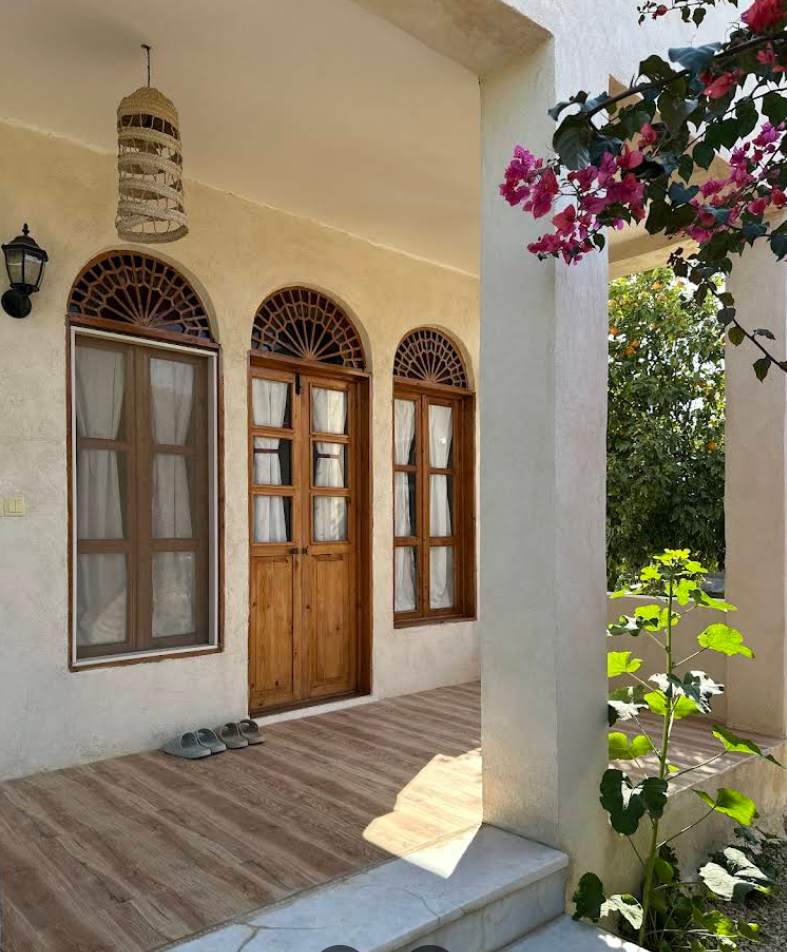
Photo: Mohadese Moradi


Interview ID:

1,573

Demit Homestay in Bonar Azadgan, Ab Pakhsh: Palm Grove Hospitality – Interview Analysis with a 42-Year-Old Female Owner

August 12, 2026

Abstract

This qualitative analysis examines a semi-structured interview with a 42-year-old female eco-lodge owner in the Abpakhsh palm groves of Bushehr province, Iran. The lodge accommodates eight guests and has operated for six years. The interview explores how the owner conceptualises, designs, and delivers authentic coastal-rural tourism experiences. Findings reveal that the owner strategically blends palm-agricultural heritage, local material culture, culinary traditions, and intergenerational oral narratives to construct an “authentic” experience distinct from mainstream coastal tourism. Key tensions emerge between commercial viability and authenticity, guest expectations (e.g., beds vs. floor sleeping), and environmental stewardship versus visitor convenience. The owner actively resists staged authenticity by maintaining non-performative local practices, while adapting infrastructural elements (e.g., toilets, air conditioning) to modern standards. The study contributes to understanding bottom-up authenticity construction in community-based ecotourism.

Extracted Insights

Key findings from the field interview

1. Constructing Authenticity through Agricultural Heritage
The owner deliberately positions palm groves – previously not considered tourist attractions – as the core experiential asset. Authenticity is performed through productive activities (pollination, harvesting, date tasting, weaving) rather than passive scenery. This aligns with Wang’s (1999) “existential authenticity” where tourists engage in becoming local actors.

2. Selective Modernisation vs. Heritage Preservation
While retaining floor sleeping (khab-e-kaf), rush mats, and palm-thatch roofs, the owner introduced Iranian/Western toilets and AC units. This selective adaptation reveals an implicit “authenticity boundary” – rejecting beds for most rooms but considering one bedded room for elderly guests. The decision is guided by guest comfort without erasing perceived traditional sleeping culture.

3. Commercial Constraints on Cultural Performance
Live local music is deliberately excluded due to proximity of neighbours (noise concerns) and additional costs for guests. Music is only introduced (verbally), not performed. This illustrates how financial and spatial limitations shape which heritage elements are commodifiable – music being too disruptive/expensive, while food narratives are easily embedded.

4. Gastronomic Storytelling as Therapeutic Authenticity
The practice of serving dates with fish to “balance cold temperament” (traditional Persian medicine) functions as a pedagogical tool. The owner explicitly corrects tourists’ habits (eating dates with tea). Culinary authenticity here is not static but corrective – reinforcing local humoral knowledge over generic preferences.

5. Environmental Ethics as Embedded Practice
Waste management, bird habitat protection, and upcycling palm waste are communicated to guests as non-negotiable behaviours. The owner refuses to hide any local practice (e.g., livestock in courtyard), rejecting “sanitised” rural tourism. This suggests an ethic of unpolished authenticity that may appeal to niche ecotourists but potentially alienate mainstream visitors.

6. Gender and Intergenerational Knowledge Transfer
The owner collaborates with her father to conduct tours, and refers to elderly date farmers and fishermen as knowledge holders. The absence of explicit gender-based constraints noted in the interview could indicate a relatively empowered position for women in this community-based tourism sector, though further comparative research is needed.

Conclusion

Demit Homestay in the palm groves of Ab Pakhsh offers a distinctive model of rural hospitality that transforms agricultural labour into an immersive, multi‑sensory learning experience. Unlike coastal tourism, this lodge draws visitors into the daily rhythms of palm cultivation, traditional crafts, and seasonal harvesting. Its authenticity rests on five key pillars:

  • Authenticity through activity, not decoration: Guests learn palm climbing, weaving, date tasting, and traditional cooking – moving beyond passive scenery to active participation, aligning with existential authenticity (Wang, 1999).
  • Selective modernisation without erasing tradition: Floor sleeping (khab‑e‑kaf), rush mats, and palm‑thatch roofs are preserved, while Western toilets and AC units are added. One bedded room is planned for elderly guests – a pragmatic compromise that respects heritage.
  • Commercial constraints on cultural performance: Live local music is excluded due to neighbour noise and added costs. Music is only introduced verbally, showing how financial and spatial limits shape which heritage elements are commodifiable.
  • Gastronomic storytelling as therapeutic authenticity: Serving fish with dates to balance “hot and cold temperaments” corrects tourists’ habits (e.g., eating dates with tea). Culinary authenticity here is corrective, reinforcing local humoral knowledge.
  • Environmental ethics as embedded practice: Waste management, bird habitat protection, and upcycling palm waste are communicated as non‑negotiable. The owner refuses to hide livestock or clay ovens – rejecting sanitised rural tourism.

The lodge succeeds by offering a calm, unpolished base where guests connect with the palm grove’s seasonal cycles and the owner’s family‑led tours (she collaborates with her father). Transparency about traditional toilets, the absence of beds for most rooms, and the use of palm by‑products for roofing all foster trust. This case offers valuable lessons for community‑based rural tourism: hands‑on learning, unapologetic preservation of local ways, and openness about limitations can generate deep visitor loyalty and appreciation for agricultural heritage.