Interview Overview

A 42-year-old woman runs Gabgoo Eco-Lodge in Bandar-e Rostami, Bushehr. This coastal, self-catering lodge accommodates 20 guests and has operated for six years. Visitors seek affordable seaside tranquillity. Suites have kitchens; a local woman cooks meals on request. The traditional courtyard with fruit trees is the main gathering space. No tours or live music – only genuine hospitality, recycling, and community care. An Austrian guest’s story shows lasting goodwill. The owner prioritises cleanliness, feedback, and local employment.

Participant Profile

Age: 42

Gender: Female

Capacity: 20 guests

Experience: 6 years

Interview Type: Telephone

Interview Date: December 17, 2025

Accommodation: Gabgoo eco-lodge

Location: Bandar‑e Rostami, Tangestan, Bushehr

Photo: Reza Gholampour


Interview ID:

1,619

Gabgoo Eco-Lodge in Bandar-e Rostami, Tangestan: Interview Analysis with a 42-Year-Old Female Owner

August 12, 2026

Abstract

This interview analysis explores the perspectives of a 42‑year‑old female owner of Gabgoo Eco‑Lodge, a coastal self‑catering accommodation in Bandar‑e Rostami (Tangestan, Bushehr province, Iran). Operating for six years with a capacity of 20 guests, the lodge prioritises affordability, cleanliness, and genuine local hospitality over staged cultural performances. Findings reveal that visitors are primarily motivated by seaside tranquillity and the freedom to cook their own meals. The owner deliberately avoids organising tours or live music, instead allowing guests to discover the coastline, fishing jetties, Jashak salt mountain, and the historic fabric of Bushehr independently. A local woman is employed to prepare traditional dishes upon request, supporting the village economy. The courtyard – with mudbrick walls, fruit trees, and wooden furniture – serves as the main gathering space. Environmental actions include recycling bottles and placing waste bins in the village. The owner actively collects constructive feedback (e.g., improving kitchen sinks) and has appointed a manager. Notable moments, such as hosting an Austrian guest with personalised care, demonstrate how sincere human connection creates international goodwill. This case illustrates a resilient, low‑overhead model of coastal eco‑tourism that is deeply embedded in local daily life.

Extracted Insights

Key findings from the field interview

1. Self-Catering as a Strategy for Affordability and Flexibility

The owner has deliberately equipped all suites with kitchen facilities, allowing guests to prepare their own meals. This decision significantly reduces the total cost of the stay, making the lodge attractive to budget-conscious families. Unlike many eco-lodges that provide full-board dining, Gabgoo empowers visitors to control their food expenses. Breakfast is offered by the lodge, and lunch/dinner can be ordered from a local woman cook – but the default is self-catering. This model reflects a pragmatic interpretation of authenticity: not forcing traditional meals upon guests, but enabling economic accessibility and independence.

2. Rejecting Staged Performances: No Tours, No Live Music

The owner explicitly avoids organising tours or live local music. She believes that visitors experience authentic culture simply by being in the village – observing neighbourly behaviour, the seaside, and the courtyard. Music is not played because it might disturb neighbours, and guests may bring their own speakers if they wish. Tours are not offered; instead, she recommends local contacts. This contrasts with the first eco-lodge (where the owner’s father led tours). Here, authenticity is defined by non-intervention – letting the environment and community speak for themselves, rather than curating cultural performances.

3. The Courtyard as the Heart of Authentic Social Space

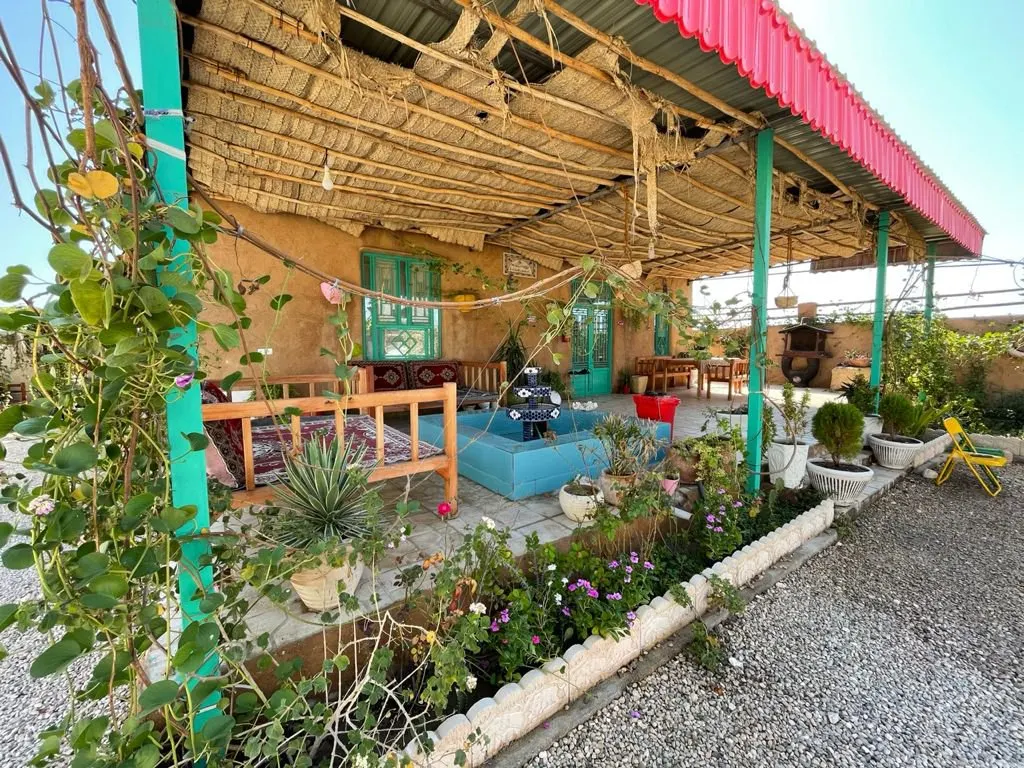
While the suites themselves are not traditionally designed, the courtyard is built in a local style with mudbrick walls, fruit trees (mango, banana), and wooden furniture. Guests spend most of their waking hours in this outdoor space, using the suites only for sleeping. The owner markets this courtyard as the main attraction. This aligns with the concept of “existential authenticity” (Wang, 1999): guests feel they are genuinely living in a rural coastal home, not a hotel. The courtyard becomes a stage for spontaneous social interaction, rest, and connection with nature.

4. Community Embeddedness through Local Employment and Recycling

The owner employs a local woman to cook traditional meals on request, directly supporting the village economy. She also initiated recycling by placing waste bins in the village when none existed, and collects plastic bottles for sale. Guests are encouraged to buy local bread. These actions go beyond token gestures; they represent a deep commitment to environmental and social sustainability. Unlike some eco-lodges that perform “green” practices superficially, Gabgoo’s owner integrates waste management and local procurement into daily operations, demonstrating an ethic of unpolished stewardship.

5. Hospitality as Equal Treatment and Personal Care

The owner proudly states that she treats all guests equally – “whether a king or a beggar” – and initially did not think of payment when hosting people. This philosophy extends to memorable incidents, such as the Austrian guest who was upset by a neighbour’s inappropriate comment. The owner personally visited him, spoke English, escorted him to Bushehr, and refused payment, saying he was a guest. This created lasting cross‑cultural goodwill. Such personalised, non‑transactional care is a form of authenticity that cannot be staged. It echoes traditional Persian hospitality (mehmān-navāzi) and differentiates Gabgoo from commercial competitors.

6. Feedback-Driven Improvement without Compromising Core Values

From the first year, the owner asked guests to write constructive criticism rather than praise. Based on feedback, she improved kitchen sinks and later appointed a manager. However, she has not changed the fundamental model (self-catering, no tours, floor sleeping with some beds) because guests who arrive understand what to expect. Some visitors initially arrive in a bad mood but extend their stay after experiencing the peaceful environment. This shows that the lodge successfully manages expectations while remaining open to practical upgrades – a balance between authenticity and responsiveness.

Conclusion

Gabgoo Eco‑Lodge in Bandar‑e Rostami offers a low‑overhead, community‑embedded model of coastal hospitality that stands apart from both luxury seaside resorts and inland palm‑grove accommodations. Its success rests on four key pillars:

  • Authenticity without performance: No staged music, no professional tour guiding; instead, genuine neighbourly behaviour and spontaneous discovery.
  • Economic pragmatism: Low prices, self‑catering facilities, and local hiring ensure affordability while maintaining quality.
  • Environmental stewardship: Practical actions like recycling and providing village bins demonstrate bottom‑up sustainability.
  • Human‑centric hospitality: The story of the Austrian guest and the local blessing (“May you build 24 floors”) reflect deep emotional connections.

The lodge succeeds by offering a calm, clean, and welcoming base from which guests can explore the Bushehr coast, the Jashak salt mountain, old fishing jetties, and the historic city fabric. The owner’s philosophy – treating every guest as a personal visitor regardless of payment – aligns with traditional Iranian hospitality while adapting to modern tourism expectations through self‑catering and feedback loops. This case offers valuable lessons for community‑based coastal tourism in the Middle East: less orchestration, more sincerity, and embeddedness in local daily life can generate high visitor satisfaction and repeat business.