Interview Overview

A 40‑year‑old man runs Alfarij Eco‑Lodge in Chah Mobarak, near Asaluyeh, Bushehr. The 40‑guest lodge has operated for six years. Guests visit nearby beaches (Benood, Nayband, Haleh), Hara mangrove forests, and the “Window of the Persian Gulf.” Traditional architecture uses wood and mudbrick. Food is Arabic‑style (Majbus, Ghalieh Mahi). Wooden sleeping platforms. Competitive pricing. The owner organises annual boat‑based beach clean‑ups at his own expense.

Participant Profile

Age: 40

Gender: Male

Capacity: 40 guests

Experience: 6 years

Interview Type: Telephone

Interview Date: December 20, 2025

Accommodation: Alfarij Eco-Lodge

Location: Chah Mobarak-Asaluyeh-Bushehr

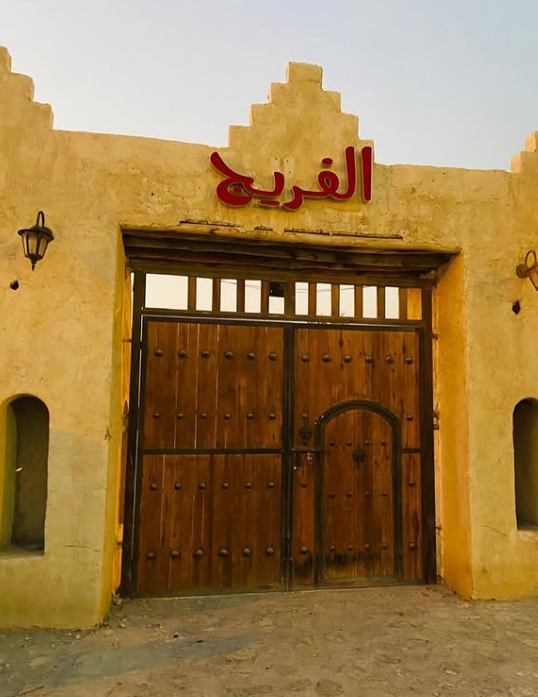
Alfarij Eco-Lodge

Photo: Property Owner


Interview ID:

1,920

Alfarij Eco-Lodge, Chah Mobarak (Asaluyeh): Interview Analysis with a 40-Year-Old Male Owner

August 12, 2026

Abstract

This interview analysis explores the perspectives of a 40‑year‑old male owner of Alfarij Eco‑Lodge in Chah Mobarak, near Asaluyeh, Bushehr province. The lodge accommodates 40 guests and has operated for six years. Located in an area with significant industrial development (Asaluyeh gas fields), the lodge offers visitors access to a range of natural attractions: Benood Beach, Nayband Beach, Haleh Beach, the Hara mangrove forests, and the “Window of the Persian Gulf” (Taben Beach). The lodge is situated 15 kilometres from the coast.

The owner drew inspiration for the lodge’s design from traditional accommodations in Isfahan and Yazd, combined with consultations with local tour leaders. The architecture features wood, mudbrick (kâhgel), and traditional building forms. The courtyard includes date palms and Indian jasmine (four‑season flowering with a strong fragrance), plants unfamiliar to visitors from northern Iran or arid regions. Sleeping arrangements are wooden platforms (takhte‑khab) constructed by the owner. Meals are Arabic‑style local cuisine: Majbus and Ghalieh Mahi (fish stew) prepared in the local manner.

The owner emphasises cleanliness, affordability, and traditional design as core differentiators. His prices are competitive, and the lodge consistently receives full ratings on booking platforms. He collaborates with tour leaders rather than organising his own tours. Live local music is offered on weekends, and staff occasionally wear traditional dress. A notable environmental initiative: the owner annually rents a boat at his own expense to transport waste collectors to pristine beaches for clean‑up, supporting both the environment and local livelihoods. This case presents a model of pragmatic, community‑focused hospitality that balances tradition with modern expectations of cleanliness and affordability.

Extracted Insights

Key findings from the field interview

1. Location and Nearby Attractions: Beaches, Mangroves, and the “Window of the Persian Gulf”

The lodge is strategically located in Chah Mobarak, near Asaluyeh, a region known for its industrial gas facilities. Despite the industrial context, the area offers a wealth of natural attractions that the owner actively promotes to guests. Key sites include Benood Beach, Nayband Beach, Haleh Beach, the Hara mangrove forests, and the “Window of the Persian Gulf” (Taben Beach). The lodge is 15 kilometres from the coast, and the owner advises guests on itineraries based on their length of stay. For guests with two to three days, he recommends a north‑to‑south route to cover all major attractions. The owner sees every guest as a potential ambassador for the region, believing that positive experiences generate word‑of‑mouth promotion.

2. Traditional Architecture Inspired by Isfahan, Yazd, and Local Consultation

The owner deliberately designed the lodge using traditional materials and forms. He drew inspiration from traditional accommodations he had seen in Isfahan and Yazd, and also consulted with local tour leaders to ensure the design was appropriate for the region. The lodge features wood construction, mudbrick (kâhgel) walls, and traditional building shapes. Wooden tables and chairs are used throughout. The courtyard is planted with date palms and Indian jasmine – a four‑season flowering plant with a strong, pleasant fragrance that is unfamiliar to visitors from northern Iran or arid regions. This combination of imported ideas (from Isfahan and Yazd) and local materials creates a hybrid traditional aesthetic.

3. Arabic‑Style Local Cuisine

The owner identifies himself and his community as Arab‑Bushehri, and the food served at the lodge reflects this identity. Meals include Majbus (spiced rice with meat or fish) and Ghalieh Mahi (a traditional fish stew) prepared in the local Arabic‑style method. The owner does not modify these dishes for tourist palates; they are presented as authentic, regional specialties. This culinary authenticity reinforces the cultural identity of the area, which is distinct from other parts of Bushehr province.

4. Wooden Sleeping Platforms (Takhte‑Khab) and Traditional Design

Sleeping arrangements at the lodge are wooden platforms (takhte‑khab) constructed by the owner himself. This traditional style of sleeping – raised wooden beds – is functional and culturally appropriate. The owner deliberately chose this over floor‑sleeping or modern beds, preserving a regional tradition while ensuring guest comfort. The owner emphasises that the entire space is designed to be “traditional,” except for the bathrooms, which he acknowledges must be modern and hygienic.

5. Competitive Pricing and Full Guest Ratings

The owner adopts a deliberate commercial strategy of maintaining prices lower than other eco‑lodges in the region. He does not seek excessive profit; instead, he aims to attract visitors and build a strong reputation. This approach has been validated by full ratings on online booking platforms. The owner notes that guests consistently praise the affordability and cleanliness of the lodge, which are his primary marketing points. He collaborates with tour leaders for group bookings, organising food and accommodation arrangements through them rather than running his own tours.

6. Marketing: Price, Cleanliness, and Four‑Season Facilities

The owner’s marketing focuses on three main differentiators: competitive pricing, cleanliness, and year‑round facilities. He has invested in amenities that make the lodge comfortable in all seasons – a practical advantage in a region with extreme heat in summer. The owner also emphasises traditional design and the nearby natural attractions. By keeping prices low and maintaining high standards, the lodge has built a strong reputation on booking platforms.

7. Cultural Transmission Through Food, Destinations, and Pre‑Arrival Coordination

The owner transmits local culture primarily through food – serving only local Arabic‑style dishes – and through the destinations he recommends. He also coordinates with guests before arrival, explaining the travel program over the phone so that they arrive well‑informed. Live local music is offered on weekends, and staff occasionally wear traditional dress (though not always). The owner views every guest as a potential promoter; he encourages them to share their experiences on social media, which helps grow the region’s tourism profile.

8. Nothing Hidden: No Aspects of Local Life Withheld

The owner states that there is nothing in local life that he conceals from guests. He has not encountered any aspect of the culture or community that he feels should be hidden. This transparency aligns with the broader pattern seen across many interviews in this series – a rejection of sanitised tourism in favour of presenting everyday local life as it is.

Camera Camera Photo: Property Owner

9. Authenticity with a Modern Compromise: Traditional Design, Modern Toilets

The owner distinguishes between different elements of the experience: bathrooms must be modern and hygienic, but the rest of the space is fully traditional. This selective modernisation – similar to many other eco‑lodges in the series – reflects a practical understanding that guests expect basic hygiene standards, while cultural authenticity can be preserved in the broader environment, the food, and the overall atmosphere. The owner does not see this as “manipulation” but as a necessary adaptation.

10. Guest Feedback and Environmental Action

Guest feedback has been overwhelmingly positive, particularly regarding the warmth and hospitality of the local people. Visitors often comment that the people of the south are fundamentally different from those in northern Iran, praising their culture and kindness. One memorable anecdote involves a university professor from Tehran who stayed for 10 days, repeatedly changing rooms to experience different spaces. Despite the added cleaning burden, the owner appreciated the guest’s enthusiasm. The owner also notes that he has hosted several international guests.

A significant environmental initiative is the owner’s annual boat‑based beach clean‑up. At his own expense, he rents a boat and transports waste collectors to pristine beaches to remove litter. This action serves a dual purpose: it cleans the environment and provides income to local people collecting recyclable materials. The owner considers this a 100% commitment to environmental protection and community support.

Conclusion

Alfarij Eco‑Lodge in Chah Mobarak offers a pragmatic, community‑focused model of hospitality that blends traditional design with modern comfort, competitive pricing, and active environmental stewardship. Its success rests on several key pillars:

  • Strategic location: Proximity to beaches (Benood, Nayband, Haleh), Hara mangrove forests, and the “Window of the Persian Gulf” – a diverse range of natural attractions.
  • Hybrid traditional architecture: Inspired by Isfahan and Yazd, adapted to local materials (wood, mudbrick) and regional building forms.
  • Arabic‑style cuisine: Authentic Majbus and Ghalieh Mahi – reflecting the owner’s cultural identity.
  • Wooden sleeping platforms (takhte‑khab): Preserving traditional sleeping arrangements.
  • Competitive pricing and full ratings: Low prices, high cleanliness standards, and consistent positive reviews on booking platforms.
  • Pre‑arrival guest coordination: Explaining the travel program by phone, ensuring guests arrive well‑prepared.
  • Live music and occasional traditional dress: Cultural transmission offered weekly and on request.
  • Selective modernisation: Traditional spaces with modern, hygienic bathrooms – a practical compromise.
  • Environmental leadership: Annual boat‑based beach clean‑ups at the owner’s own expense, supporting both the environment and local waste collectors.
  • Transparency: No aspect of local life is hidden from guests.

The lodge demonstrates that affordability and authenticity need not be mutually exclusive. By keeping prices low, maintaining high standards of cleanliness, and offering genuinely traditional food and architecture, the owner has built a reputation that attracts both domestic and international visitors. His annual beach clean‑ups, funded personally, show that environmental responsibility can be woven into the business model without waiting for government support. This case offers a valuable lesson for coastal ecotourism: when you combine traditional hospitality with modern pragmatism and personal environmental action, you create a business that serves both the guest and the landscape they came to see.