Interview Overview

A 56‑year‑old woman runs Barboo Aramesh Eco‑Lodge in Barboo village, near Delvar, Bushehr. The 8‑guest lodge has operated for eight years. Located 60 metres from the sea, it offers a spacious courtyard with sea views like a “moving painting.” Guests enjoy traditional sleeping (khab‑e kaf), local food cooked by a village woman, and visits to Koluts (clay formations). The owner prioritises personal relaxation over profit, hosting cultural events like henna ceremonies.

Participant Profile

Age: 56

Gender: Female

Capacity: 8 guests

Experience: 8 years

Interview Type: Telephone

Interview Date: December 16, 2025

Accommodation: Barboo Aramesh Eco-Lodge

Location: Barboo Village-Delvar-Bushehr

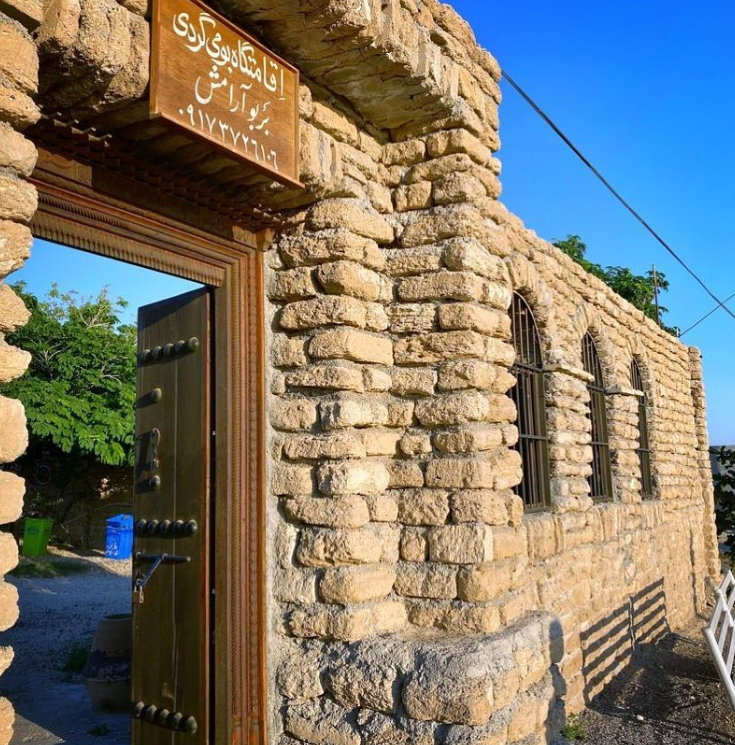
Barboo Aramesh Eco-Lodge, Barboo Village (Delvar)

Photo: Property Owner


Interview ID:

1,932

Barboo Aramesh Eco-Lodge, Barboo Village (Delvar): Interview Analysis with a 56-Year-Old Female Owner

August 12, 2026

Abstract

This interview analysis explores the perspectives of a 56‑year‑old female owner of Barboo Aramesh Eco‑Lodge in Barboo village, near Delvar, Bushehr province. The lodge accommodates 8 guests – the smallest capacity in this series – and has operated for eight years. Located just 60 metres from the sea, the lodge offers a spacious courtyard with sea views that one guest described as a “moving painting.” The owner, an experienced traveller to eight European and many Asian countries, created the lodge primarily for her own relaxation and as a personal retreat, with profit as a secondary concern.

The lodge’s design reflects her personal taste rather than commercial templates: a bed placed in the courtyard for her husband to rest after fishing, cooking equipment for fish preparation nearby, and traditional elements displayed throughout. A local woman cooks authentic dishes (stuffed fish, shrimp, stuffed chicken) for guests; breakfast is self‑catering. Sleeping is floor‑based (khab‑e kaf). The owner displays historical items – cradles (gahvareh), dough‑kneading bowls, fishing nets, and traditional cooking tools – to introduce guests to local heritage.

The area offers the Koluts (wind‑eroded clay formations) of Tangestan, traditional fishing experiences, and coastal walks. The owner advises guests to visit these attractions. She does not organise tours but coordinates with local leaders when needed. She actively resists modern construction near the lodge, which she believes damages the region’s authenticity. Environmental care includes beach clean‑ups with her husband, though waste disposal remains a challenge. A memorable story involves hosting a solo female traveller, later arranging a Bushehri henna ceremony for her wedding return visit – which generated numerous similar requests. This case presents a model of deeply personal, non‑commercial hospitality where authenticity is rooted in the owner’s own life, memories, and deliberate resistance to change.

Extracted Insights

Key findings from the field interview

1. The Smallest Lodge in the Series: An 8‑Guest Personal Retreat

With a capacity of just 8 guests, Barboo Aramesh is the smallest eco‑lodge in this interview series. The owner created it not primarily for income, but as a place to spend her leisure time and find peace. She emphasises that profit is secondary – the lodge is a personal sanctuary where she can host guests who share her love for nature and tranquillity. This small scale allows for an intimate, personalised experience that larger lodges cannot replicate.

2. A “Moving Painting”: Sea Views and the Courtyard Experience

The lodge is located just 60 metres from the sea, and the owner has designed the courtyard to maximise the visual connection. Windows in the walls frame the sea like a painting. One guest described the view as a “moving painting” – constantly changing with the light and tides. The courtyard is the heart of the experience: guests often sleep there in sleeping bags rather than indoors, simply to watch the sky and feel the sea breeze. Some groups come specifically to practice yoga on the beach at sunrise and sunset, ignoring shopping and other urban distractions.

3. Personal Taste Over Commercial Design

The owner deliberately avoided copying other eco‑lodges. She arranged the space according to her own taste and lifestyle: a bed placed in the courtyard for her husband to rest after fishing, cooking equipment nearby, and traditional items arranged as she found them. She feels that commercial templates would make the space generic and inauthentic. This personal touch resonates with guests, who frequently tell her: “If you ever expand, don’t change the overall character – this is why we come.”

4. Displaying Historical Artefacts: Cradles, Fishing Nets, and Traditional Tools

The owner actively displays objects from 100‑120 years ago: cradles (gahvareh) for infants, dough‑kneading bowls, traditional fishing nets, and cooking utensils. These items are not in a separate museum but integrated into the living space, allowing guests to see, touch, and ask about them. This living museum approach provides a tangible connection to the region’s past, showing how earlier generations lived, fished, and cooked.

5. Local Food: A Village Woman’s Home Cooking

A local woman from the village prepares traditional Bushehri dishes for guests: stuffed fish, stuffed shrimp, and stuffed chicken. Breakfast is self‑catering, giving guests the option to prepare their own meals if they wish. The owner also makes traditional bread in the clay oven (tandoor) when she is present, and guests have praised its quality. For those who wish to purchase local bread, a village woman produces and sells it.

6. Traditional Sleeping (Khab‑e Kaf) and Guest Independence

Sleeping is floor‑based (khab‑e kaf) – a traditional style that aligns with the lodge’s authentic character. The owner is not always present at the lodge; she provides guests with everything they need and encourages independence. Guests are free to use the space, cook, and explore as they wish. This hands‑off approach, far from being neglectful, is a deliberate philosophy of trust and respect for the guest’s desire for autonomy.

Camera Camera Photo: Property Owner

7. Collaborating with Tour Leaders and Occasional Personal Guiding

The owner does not run her own tours. For larger groups, she coordinates with local tour leaders. However, for small groups, she and her husband sometimes personally guide guests, sharing their knowledge of the area. This flexibility – professional coordination for large groups, personal attention for smaller ones – allows her to balance capacity constraints with personal hospitality.

8. The Henna Ceremony Story: Cultural Transmission Through Celebration

A memorable story: a young woman came alone to the lodge. A year later, she returned with her new husband and asked to hold a traditional Bushehri henna ceremony. The owner arranged the ceremony with traditional music (hired spontaneously) and decorations. The couple filmed the event and shared it on social media, generating a flood of requests from other newlyweds who wanted similar celebrations. This demonstrates how authentic cultural traditions, when offered with sincerity, can become powerful attractions and create lasting memories.

9. Resisting Modern Construction and Preserving Heritage

A neighbouring property recently built a modern structure with contemporary materials – a violation of the area’s traditional aesthetic. The owner expresses frustration that heritage authorities did not prevent this, as it damages the identity and authenticity of the village. She also notes that many visitors praise her lodge’s simplicity and authenticity precisely because it stands in contrast to such modern intrusions.

10. Environmental Awareness and Waste Challenges

The owner actively collects litter from the beach with her husband. However, she highlights a systemic problem: many guests bag their waste but leave it on the roadside rather than depositing it in municipal bins. Despite extensive correspondence with local authorities, waste bins are only now being installed, and the cost has been passed to the lodge owners themselves. This reflects the broader infrastructure challenges facing rural ecotourism in the region. The owner also notes that guests sometimes complain about lizards; she explains that humans have entered the animals’ habitat – a philosophical position that respects local wildlife.

Conclusion

Barboo Aramesh Eco‑Lodge in Barboo village offers a deeply personal, non‑commercial model of hospitality – where authenticity flows not from staged performances but from the owner’s own life, tastes, and deliberate resistance to standardisation. Its success rests on several key pillars:

  • Intimate scale: With only 8 guests, the lodge offers an intensely personal experience that larger establishments cannot replicate.
  • Personal retreat philosophy: The owner created the lodge for her own relaxation, with profit as a secondary concern – a philosophy that guests appreciate.
  • The “moving painting” sea view: A courtyard designed to frame the sea, creating a constantly changing visual experience.
  • Authentic personal design: Arranged according to the owner’s taste, not commercial templates – a bed in the courtyard, cooking equipment nearby.
  • Living museum of artefacts: Displaying 100‑120‑year‑old cradles, fishing nets, and tools integrated into the living space.
  • Local food by a village woman: Authentic stuffed fish, shrimp, and chicken – plus traditional bread from a clay oven.
  • Traditional floor sleeping (khab‑e kaf): Preserving regional sleeping customs.
  • Flexible touring: Collaborating with leaders for large groups, personal guiding for small groups.
  • Cultural transmission through celebration: The henna ceremony story demonstrates how authentic traditions can be powerfully shared.
  • Environmental action: Beach clean‑ups with her husband, despite systemic waste challenges.
  • Resistance to modern intrusion: Defending the village’s authentic character against inappropriate development.

The lodge demonstrates that small scale and personal vision can be powerful assets in ecotourism. The owner has not tried to please everyone or maximise occupancy; instead, she has created a space that reflects her own values and tastes, and invited guests to share it. This honesty – and her willingness to resist commercial pressures – has attracted a loyal clientele who value the lodge’s sincerity over superficial comforts. This case offers a valuable lesson for rural hospitality: when you build for your own soul, you often build a place that speaks to the souls of others.