
Interview Overview

A 61‑year‑old man runs Jalbot Eco‑Lodge in Barboo village, near Delvar, Bushehr. The 80‑guest lodge has operated for eight years, sitting directly on a pristine sandy beach. Guests seek tranquillity and nature. The owner preserves local architectural elements, displays a traditional “Jalbot” boat model, and offers floor sleeping. No in‑house meals – guests buy from locals. No staff uniforms. Beach clean‑ups via personal pickup truck.

Participant Profile

Age: 61
Gender:
Male

Capacity: 80 guests

Experience: 8 years

Interview Type: Telephone

Interview Date: December 17, 2025

Accommodation: Jalbot Eco-Lodge

Location: Barboo Village (Delvar)-Bushehr
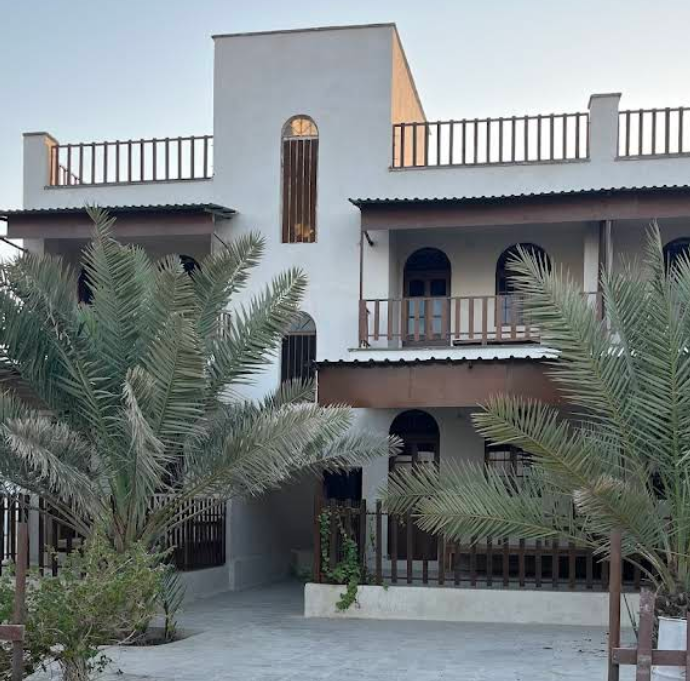
Jalbot Eco-Lodge, Barboo Village (Delvar)

Photo: Hasan Ahmadi


Interview ID:

1,788

Jalbot Eco-Lodge, Barboo Village (Delvar): Interview Analysis with a 61-Year-Old Male Owner

August 12, 2026

Abstract

This interview analysis explores the perspectives of a 61‑year‑old male owner of Jalbot Eco‑Lodge in Barboo village (near Delvar), Bushehr province. The lodge accommodates 80 guests and has operated for eight years. Located directly on a pristine sandy beach, it attracts visitors primarily seeking tranquillity and a healthy escape from urban life – a core motivation echoed across many interviews in this series.

The owner deliberately avoids superficial decoration, resisting suggestions to hang Bushehri ornaments. Instead, he focuses on showcasing traditional Bushehri architecture (intelligent ventilation, local materials) and displays a historically significant model of a “Jalbot” – an old‑style boat no longer in use, which gave the lodge its name. This model particularly impressed an Italian researcher studying southern Iranian maritime history. Sleeping arrangements are floor‑based (khab‑e kaf); beds were purchased but remain unused due to staff shortages. All suites are en‑suite, with additional shared toilets in the courtyard.

The lodge does not provide meals in‑house; guests are encouraged to buy directly from local villagers, supporting the local economy. The owner does not play live music (to avoid disturbing neighbours) and staff wear casual, non‑traditional clothing – reflecting his view that traditional dress is no longer genuinely worn in Bushehr. He engages in cultural storytelling when guests show interest, sharing his extensive knowledge of local history and architecture. Environmental care is practical: he uses his personal pickup truck to collect litter left by visitors and transports it to municipal waste collection points.

This case presents a model of understated, community‑embedded authenticity – where heritage is preserved through substance (architecture, historical artefacts) rather than staged ornamentation, and where environmental responsibility is exercised through individual, low‑tech action.

Extracted Insights

Key findings from the field interview

1. Location on a Pristine Sandy Beach

The lodge’s primary attraction is its direct location on a pristine, sandy beach – described as “untouched” and “bāker” (virgin). Visitors come specifically for the combination of sea, sand, tranquillity, and a healthy recreational environment. This aligns with the broader pattern across the interview series: proximity to an unspoiled coast is the most consistent draw.

2. Architectural Authenticity without Ornamental Overload

The owner consciously rejects the trend of decorating eco‑lodges with Bushehri ornaments. Instead, he attempts to reflect the essence of traditional Bushehri architecture – its intelligent ventilation systems, use of local materials, and spatial logic. He admires the ingenuity of old buildings and wishes more people would study and write about them. His lodge incorporates these principles in its design, offering guests a subtle, lived‑in sense of the region’s architectural heritage.

3. The Jalbot Boat: A Living Historical Artefact

The lodge’s name derives from the “Jalbot” – an old‑style boat once used in the region but now obsolete. The owner painstakingly acquired a model of this boat and placed it in the lodge. An Italian researcher, visiting for a thesis on southern Iranian maritime history, was deeply impressed by its preservation. This artefact serves as a tangible link to local seafaring heritage and has become a conversation piece and symbol of the lodge’s identity.

4. Floor Sleeping and the Staff Shortage

Sleeping arrangements are entirely floor‑based (khab‑e kaf). The owner purchased beds but has been unable to install them due to a persistent staff shortage – he cannot find reliable workers to manage the transition. This practical constraint has inadvertently preserved a traditional sleeping style, which some guests may appreciate as authentic.

5. Community‑Based Food Sourcing (No In‑House Meals)

The lodge does not prepare or serve meals. Instead, guests are directed to buy directly from local villagers – supporting the local economy and ensuring authentic, home‑cooked food. This model reduces operational complexity for the owner and fosters direct guest‑community interaction. It echoes the approach of earlier interviews (e.g., Gabgoo, Bandar Parak) where outsourcing food was a deliberate strategy for economic and cultural reasons.

6. Rejection of Performative Tradition

The owner refuses to stage cultural performances. He does not play live music (to avoid disturbing neighbours, though guests bring their own speakers). Staff wear casual, everyday clothing – not traditional dress. He observes that traditional clothing has largely disappeared in Bushehr and that wearing it now would be “pretending” – a rare, candid critique of staged authenticity. This honesty extends to his overall philosophy: he prefers substance over appearance.

Camera Camera Photo: Hasan Ahmadi

Jan 2025

7. Cultural Storytelling When Guests Engage

The owner has studied local history and architecture extensively and is eager to share this knowledge when guests show interest. He does not impose narratives but offers conversations about Bushehr’s past, its maritime traditions, and the ingenuity of its old buildings. This responsive, dialogue‑based approach to cultural transmission is consistent with the relational authenticity seen in several previous interviews.

8. Environmental Stewardship via Personal Effort

Environmental care is practical and low‑tech: the owner uses his personal pickup truck to collect litter left by careless visitors and transports it to municipal waste collection points in Delvar or Bushehr. He does this primarily on weekends, when littering is most frequent. This individual, unpaid effort reflects a deep personal commitment to keeping the beach clean, despite the lack of institutional support.

9. Constraints: Economic, Staffing, and Infrastructure

The owner faces significant challenges: inflationstaff shortages, and the absence of a formal waste management system in the village. He cannot afford to hire dedicated cleaners or expand services. These constraints have shaped his minimalist, self‑reliant approach – he does what he can with what he has, without overpromising or compromising his principles.

Conclusion

Jalbot Eco‑Lodge in Barboo village offers a distinctive model of understated, community‑embedded coastal hospitality that prioritises substance over ornament, heritage over performance, and individual environmental responsibility over institutional solutions. Its success rests on several key pillars:

  • Pristine beach location: Direct, untouched access to the sea – the primary draw.
  • Architectural authenticity: Reflecting traditional Bushehri design principles without ornamental overload.
  • Tangible heritage: The “Jalbot” boat model as a living symbol of maritime history.
  • Community‑based food sourcing: Guests buy from locals, supporting the village economy.
  • Refusal of performative tradition: No staged music, no traditional uniforms – only honest, everyday reality.
  • Responsive storytelling: Sharing cultural and historical knowledge when guests engage.
  • Individual environmental action: Beach clean‑ups via personal truck – a self‑funded, low‑tech solution to a systemic problem.

The lodge demonstrates that authenticity does not require decoration or performance. It can be found in architectural intelligence, in historical artefacts, in direct community transactions, and in the quiet, persistent effort of one man to keep his beach clean. The owner’s philosophy – “our guests are looking for peace and a healthy escape” – is validated by the loyalty he inspires.

This case offers a valuable lesson for coastal eco‑tourism: simplicity, honesty, and community integration can be more powerful than elaborate staging. When you let the place and its history speak for themselves, they often say more than any performance could.