Interview Overview

A 53‑year‑old man runs Setareh Daryaei Bandargah Eco‑Lodge in Bandargah, Bushehr. The 28‑32 guest lodge has operated for seven years. Located near a sandy beach, jetty, and local cafes, it offers traditional seafood, en‑suite rooms, and a welcoming atmosphere. The owner prioritises guest (not tourist) hospitality, collaborates with local cooks and guides, and emphasises cleanliness. A memorable story involves preparing a room on‑the‑spot for a desperate family.

Participant Profile

Age: 53

Gender: Male

Capacity: 28-32 guests

Experience: 7 years

Interview Type: Telephone

Interview Date: December 12, 2025

Accommodation: Setareh Daryaei Bandargah Eco-Lodge

Location: Bandargah-Bushehr

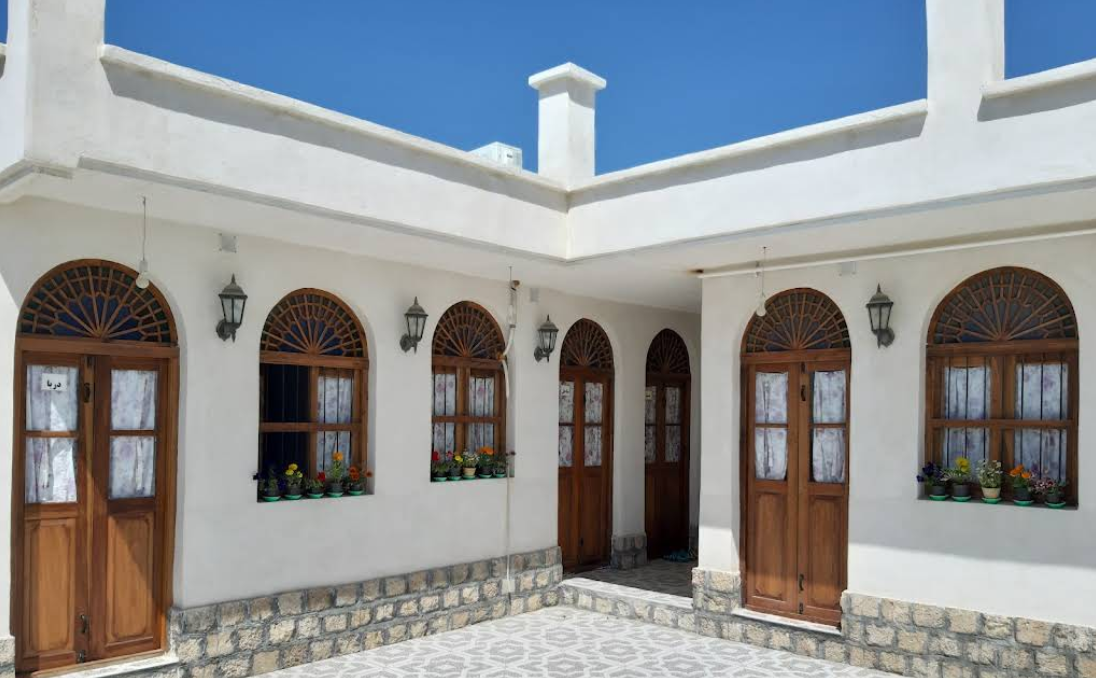
Setareh Daryaei Bandargah Eco-Lodge (1)

Photo: Ashkan Abernathy


Interview ID:

1,777

Setareh Daryaei Bandargah Eco-Lodge, Bandargah: Interview Analysis with a 53-Year-Old Male Owner

August 12, 2026

Abstract

This interview analysis explores the perspectives of a 53‑year‑old male owner of Setareh Daryaei Bandargah Eco‑Lodge in Bandargah, Bushehr province. The lodge accommodates 28‑32 guests and has operated for seven years. Situated close to a sandy beach, a fishing jetty, and local cafes, it attracts visitors primarily seeking seaside tranquillity, traditional food, and a clean, welcoming environment.

The owner deliberately avoids the term “tourist” (mosâfer), instead using “guest” (mehmân) – reflecting the deep cultural value of hospitality in Bushehr. He does not centralise all services: local women cook traditional meals, local fishermen offer boat tours, and guests are encouraged to visit neighbourhood shops and bakeries, fostering authentic community interaction. The lodge’s design blends tradition (mudbrick rooms, old‑style architecture) with modern comfort (en‑suite bathrooms) – a compromise driven by guest feedback and heritage authority guidelines.

The owner does not organise group tours due to the lodge’s proximity to a power plant (which restricts large gatherings), but provides contacts for private sea excursions. He resists cutting quality despite inflation, relying on word‑of‑mouth marketing. A poignant anecdote – preparing an unfinished room in under two hours for a family who insisted on staying – illustrates the lodge’s flexible, human‑centred approach. Environmental efforts include beach clean‑ups, which have inspired local council cooperation. This case presents a model of relational authenticity, where hospitality is performed through genuine interaction, community embeddedness, and adaptive responsiveness.

Extracted Insights

Key findings from the field interview

1. Guest‑Centred Hospitality: “Mehmân” not “Mosâfer”

The owner explicitly rejects the term “tourist” (mosâfer) and insists on “guest” (mehmân), reflecting the elevated status of guests in Iranian and particularly Bushehri culture. He opens with warmth, ensures cleanliness, and delivers exactly what was promised online – validating the guest’s choice. This linguistic and behavioural distinction frames the entire service philosophy.

2. Community‑Based Service Model (No Monopoly)

Rather than providing all services in‑house, the owner deliberately distributes economic benefits within the community:

  • Food: Prepared by a local woman (outsourced).
  • Boat tours: Guests receive phone numbers of local fishermen to arrange sea excursions.
  • Supplies: Guests are encouraged to visit nearby supermarkets and bakeries, creating natural opportunities for interaction with locals.

This model prevents the lodge from becoming an isolated bubble and ensures guests experience the real village life through everyday transactions.

3. Hybrid Architecture: Tradition, Modernity, and Guest Feedback

The lodge originally preserved old mudbrick rooms with shared toilets at the end of the courtyard. However, heritage authority guidelines and guest expectations (especially from those who booked expecting en‑suite facilities) led to a redesign: all rooms now have private bathrooms. This is a clear example of adaptive authenticity – maintaining traditional aesthetics (mudbrick, wooden doors, coloured glass) while incorporating modern comfort.

Upper‑floor rooms were built with sea‑view requests in mind, even though the owner notes that in southern Bushehr the sea is visible from almost any point within a 5‑10 minute walk. This diversification of room types accommodates varied guest preferences.

4. Economic Constraints and Quality Commitment

The owner acknowledges inflation but firmly states he will never cut quality or reduce portions. He believes that honest, high‑quality service is the best marketing – far more effective than paying for ads. Price increases, when unavoidable, are modest and transparent. This principled stance has earned him a loyal, word‑of‑mouth driven clientele.

5. Referral‑Based Touring (No Group Tours)

Due to the lodge’s location near a power plant, organising large group tours is problematic – the plant’s operational needs may interfere. Therefore, the owner recommends that groups come in private cars and provides contacts for local sea excursion providers. He does not act as a tour guide himself but offers historical and cultural narratives when guests give him time – always respecting their schedule and freedom.

6. Relational Authenticity and Storytelling

The owner shares local history – about old‑time fishing, the area’s development – only if guests engage with him. He does not force information. This responsive storytelling creates genuine, spontaneous exchanges rather than scripted performances. He also notes that traditional clothing in the area has evolved; he does not pretend otherwise, preferring to show life as it is.

7. Memorable Hospitality: The Room Prepared in Two Hours

A defining moment: a family called, desperate for accommodation when no rooms were available. The owner, moved by their persistence, mobilised his entire family to prepare an unfinished room in under two hours – installing a ceiling fan, cleaning, and making it livable. He offered the room for the men (with only a fan in the hot season) and his own house for the women. The family, overwhelmed by the effort (captured in a video they were shown), stayed three nights instead of one. This story encapsulates the lodge’s ethos: flexibility, sacrifice, and treating guests as family.

Camera Camera Photo: Property Owner

8. Environmental Stewardship and Community Ripple Effect

The owner prioritises cleaning the beach near the lodge. This visible effort inspired the local council and municipality to pave the area near the jetty, install stone benches, and beautify the waterfront. The lodge’s small, consistent action triggered broader community investment – a powerful example of how individual responsibility can catalyse public good.

9. Honesty About Limitations

Unlike some eco‑lodges that overpromise, the owner is candid: he cannot offer everything guests ask for (e.g., perfect mattresses or dining tables in the early days). When guests point out shortcomings, he thanks them and does not pretend the conditions are already met. He admits to “pretending to learn” from their feedback – a humble strategy that keeps dialogue open while he gradually improves.

10. Rejecting Performative Tradition

The owner does not stage cultural performances. He notes that traditional dress in the area has naturally declined; wearing it would be “pretending” – a rare, honest observation that distances his approach from orchestrated authenticity.

Conclusion

Setareh Daryaei Bandargah Eco‑Lodge offers a distinctive model of relational, community‑embedded hospitality that thrives on genuine human connection and adaptive responsiveness. Its success rests on several key pillars:

  • Guest‑centred language and attitude: Refusing the term “tourist” – always “guest” – with warm, respectful reception.
  • Community‑based service: Outsourcing food, boat tours, and supplies to locals, ensuring economic spread and authentic interaction.
  • Hybrid design: Preserving traditional mudbrick aesthetics while upgrading to en‑suite bathrooms based on guest and heritage authority feedback.
  • Quality over profit: No compromise on cleanliness or portions despite inflation – relying on word‑of‑mouth.
  • Responsive storytelling: Sharing culture only when guests engage, never imposing.
  • Flexible, family‑like care: The story of preparing a room in two hours exemplifies sacrificial hospitality.
  • Environmental leadership: Beach clean‑ups inspiring municipal beautification – a catalytic effect.

The lodge demonstrates that authenticity does not require performance or perfection. It is built on honesty, community collaboration, and the willingness to go beyond commercial transaction. The owner’s philosophy – “our guests are our best advertisers” – is validated by his repeat clientele and the lasting impact of his small actions on the wider village.

This case offers a powerful lesson for coastal eco‑tourism: trust, responsiveness, and community embedding can be more potent than elaborate attractions. When you treat guests as family, they treat you as home.