Interview Overview

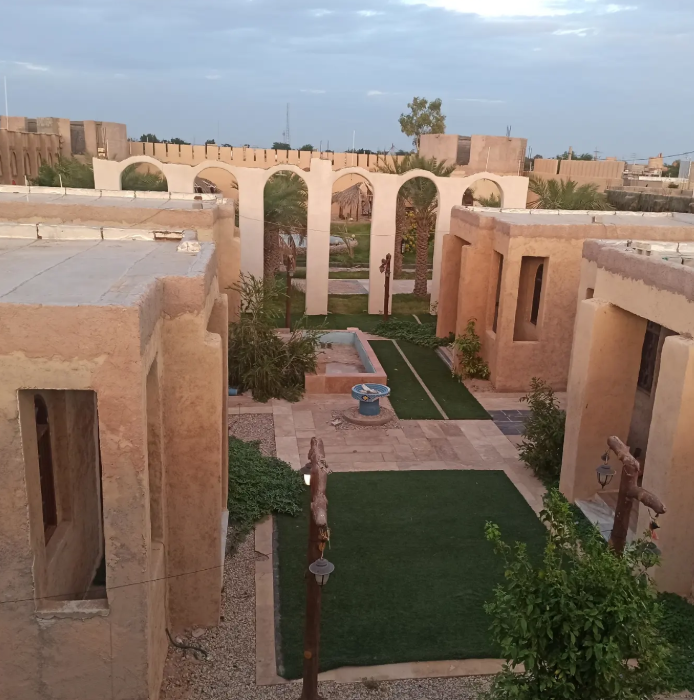
A 43‑year‑old man runs Siniz Castle Eco‑Lodge in Hesar village, near Deylam, Bushehr. The 30‑guest lodge has operated for six years, located 1km from the sea. Inspired by the historic “Khan Castle”, it uses traditional materials (mudbrick, clay). Guests enjoy live music, elder storytelling nights, and a 4,000m² green courtyard. The owner offers discounted stays for children, recalling his own childhood.

Participant Profile

Age: 43

Gender: Male

Capacity: 30 guests

Experience: 6 years

Interview Type: Telephone

Interview Date: December 20, 2025

Accommodation: Siniz Castle Eco-Lodge

Location: Hesar village-Deylam-Bushehr

Siniz Castle Eco-Lodge, Hesar Village (Deylam)

Photo: Property Owner


Interview ID:

1,795

Siniz Castle Eco-Lodge, Hesar Village (Deylam): Interview Analysis with a 43-Year-Old Male Owner

August 12, 2026

Abstract

This interview analysis explores the perspectives of a 43‑year‑old male owner of Siniz Castle Eco‑Lodge in Hesar village, near Deylam, Bushehr province. The lodge accommodates 30 guests and has operated for six years. Located one kilometre from the sea, between the commercial ports of Deylam and Genaveh, it offers visitors security, tranquillity, and a connection to local history – with the village boasting a 120‑year heritage and being one of the few in the region experiencing reverse migration.

The lodge’s design is inspired by the historic “Khan Castle” (Qaleh‑e Khan), using traditional materials such as mudbrick (kâhgel) and a local clay‑and‑manure mixture fired in a kiln. The 4,000‑square‑metre property is filled with trees, green spaces, and a waterfall feature. Sleeping arrangements are mostly floor‑based (khab‑e kaf), with one bed per suite. The owner’s wife is an accomplished cook, and she prepares traditional meals for smaller groups – some guests even call her for cooking advice.

Cultural transmission is central: live music is performed, and for special guests, village elders are invited to share stories about traditional weddings, livelihoods, and local history during evening gatherings (shab‑neshini). The lodge also hosts televised events (e.g., Yalda night celebrations) and organises tours upon prior reservation. A rocky beach just two kilometres away is a popular additional attraction.

The owner demonstrates a deeply personal approach to hospitality: he recalls his own childhood, when his father could not afford outings, and now offers free or discounted stays to local children to ensure they have joyful experiences. Environmental and cultural preservation efforts include reviving traditional games and celebrations to keep them alive for younger generations. This case presents a model of emotionally‑driven, community‑anchored authenticity, where hospitality is shaped by personal memory and a commitment to cultural continuity.

Extracted Insights

Key findings from the field interview

1. Castle‑Inspired Architecture with Traditional Materials

The lodge’s design draws directly from the historic “Khan Castle” (Qaleh‑e Khan) in the region, adapted to a contemporary style while retaining traditional elements. The owner uses mudbrick (kâhgel) and a local traditional material made from clay, animal manure, and fired in a kiln – a technique he learned from local elders. This commitment to authentic building methods ensures that the lodge physically embodies the area’s architectural heritage.

2. A Green, Spacious Courtyard as a Social Hub

The lodge sits on a 4,000‑square‑metre property filled with trees, green spaces, and a waterfall feature. This expansive, shaded courtyard serves as the main gathering space for guests, offering a sense of openness and connection to nature that is rare in more confined accommodations. The greenery also contributes to the sense of tranquillity that visitors seek.

3. Floor Sleeping with a Modern Compromise

Most sleeping arrangements are traditional floor‑sleeping (khab‑e kaf) , but each suite contains one bed – a pragmatic compromise that accommodates guests who prefer not to sleep on the floor while retaining the traditional atmosphere. All suites are en‑suite, with both Iranian‑style and Western‑style toilets available (the owner notes that ceramic and tiled floors are used for modern hygiene).

4. The Owner’s Wife as a Culinary Ambassador

The owner’s wife is an accomplished cook of traditional Bushehri cuisine. For smaller groups, she personally prepares meals, and her cooking has become so well‑known that some guests call her directly for recipes and advice. This personal, home‑based food offering adds a layer of intimate authenticity that large‑scale kitchens cannot replicate.

5. Live Music and Elder Storytelling Nights

Unlike many eco‑lodges that avoid live music (due to neighbour complaints or costs), Siniz Castle actively hosts live music. For special guests, the owner invites village elders to participate in evening gatherings (shab‑neshini), where they share oral histories about traditional weddings, past livelihoods, and local customs. This deliberate preservation of oral tradition transforms the lodge into a living archive of community memory.

6. Emotional Hospitality: Remembering Childhood

The owner’s most distinctive trait is his emotionally‑driven hospitality. He recalls his own childhood, when his father could not afford to take him on outings or trips. Now, when local children visit the lodge, he offers them free or discounted stays, ensuring they experience joy and fun regardless of their family’s financial situation. This deeply personal motivation – rooted in empathy and memory – gives his hospitality a sincerity that cannot be staged.

Camera Camera Photo: Property Owner

7. Community Recognition and Reverse Migration

The village of Hesar is one of the few in the region experiencing reverse migration – people moving back rather than leaving. The owner attributes this to the village’s security, tranquillity, and growing tourism infrastructure. He notes that this fact is even recognised by local health authorities. This suggests that the eco‑lodge and related developments have contributed to a broader revitalisation of the community.

8. Hybrid Modernity: Traditional Facade, Modern Structure

While the building’s skeleton is reinforced concrete for durability, the facade is covered with traditional materials (mudbrick and clay). This hybrid approach – a modern structural core with a traditional skin – balances safety and authenticity. Bathrooms are modern (tiles, Western/Iranian toilets) for hygiene, while the overall aesthetic remains rooted in local tradition.

9. Environmental and Cultural Stewardship

The owner actively works to revive traditional games and celebrations – such as Yalda night events – to ensure they are not forgotten by younger generations. He also participates in broader efforts to promote the village’s attractions, including a nearby rocky beach and the “Khan Castle” ruins.

Conclusion

Siniz Castle Eco‑Lodge in Hesar village offers a distinctive model of emotionally‑driven, community‑anchored hospitality that blends historical inspiration, oral tradition, and deeply personal generosity. Its success rests on several key pillars:

  • Castle‑inspired traditional architecture: Using authentic local materials (mudbrick, clay‑manure mixture) and drawing from the historic Khan Castle.
  • Expansive green courtyard: A 4,000m² shaded space with trees and a waterfall – a rare asset for social gathering and tranquillity.
  • Floor sleeping with one bed per suite: Balancing tradition with modern guest preferences.
  • Personalised culinary care: The owner’s wife cooking traditional meals for smaller groups, building a reputation for authentic home‑style food.
  • Live music and elder storytelling: Actively hosting performances and inviting village elders to share oral histories – a living archive of community memory.
  • Emotionally‑driven generosity: Offering free or discounted stays to local children, rooted in the owner’s own childhood memories of financial hardship.
  • Reverse migration and community revitalisation: The village’s growing population reflects the positive impact of tourism development.

The lodge demonstrates that authenticity is not just about materials or food – it is about memory, emotion, and community continuity. By inviting elders to tell stories, by remembering his own past, and by creating a space where children can experience joy, the owner has built a hospitality model that is deeply human and culturally regenerative. This case offers a powerful lesson for coastal eco‑tourism: when you anchor your business in personal memory and community care, you create something that cannot be replicated – a place where guests feel not just welcome, but belonged.