
Interview Overview

A male owner runs Del Aram Eco‑Lodge in the village of Del Aram, near Delvar, Bushehr. The 30‑guest lodge has operated for seven years, offering unobstructed sea views and a peaceful retreat. Guests enjoy traditional seafood meals, en‑suite rooms, and cleanliness. The owner recommends local tour guides for nearby attractions (boat‑building yards, ship graveyard, Neyayeshgah, Koluts). Economic pressures have reduced services, and littering remains a persistent challenge.

Participant Profile

Age: 55

Gender: Male

Capacity: 30 guests

Experience: 7 years

Interview Type: Telephone

Interview Date: December 19, 2025

Accommodation: Del Aram Eco-Lodge

Location: Delvar-Bushehr
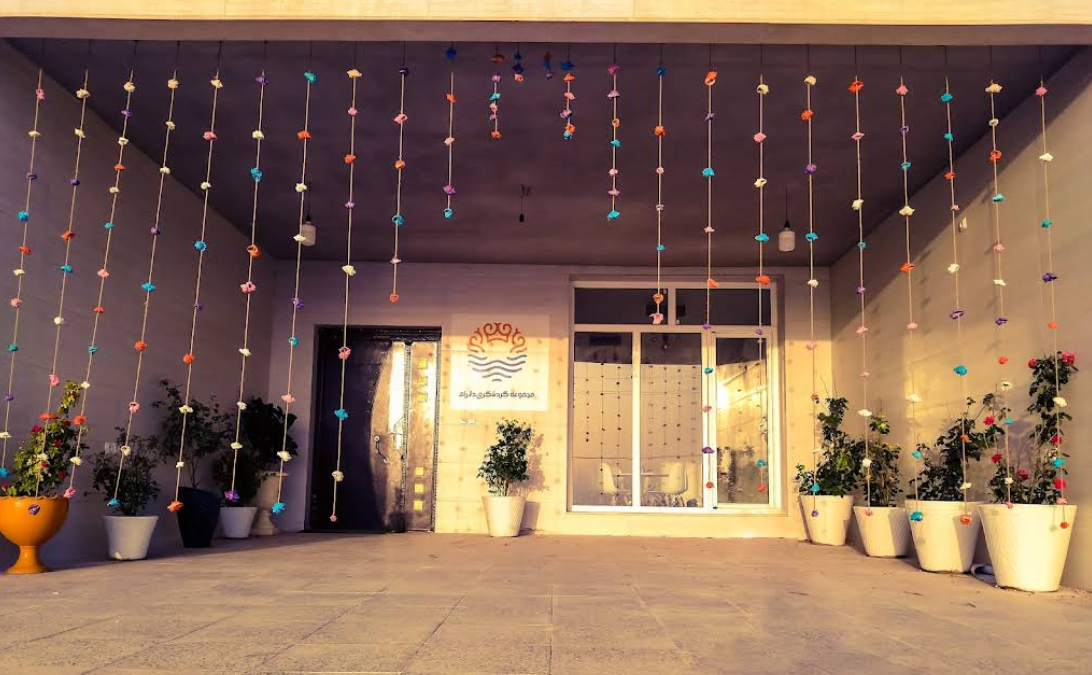
Del Aram Eco-Lodge, Delvar

Photo: Mamad Bazh


Interview ID:

1,768

Del Aram Eco-Lodge, Delvar: Interview Analysis with a Male Owner

August 12, 2026

Abstract

This interview analysis explores the perspectives of a male owner of Del Aram Eco‑Lodge in the village of Del Aram, near Delvar, Bushehr province. The lodge accommodates 30 guests and has operated for seven years. Situated directly on the coast with unobstructed sea views, it attracts visitors seeking tranquillity and an escape from urban life – a core motivation echoed across multiple interviews in this series.

Unlike some eco‑lodges that actively curate cultural experiences, the owner takes a minimalistic approach: he provides accommodation, traditional seafood meals (upon request), en‑suite rooms with beds, and a clean, quiet environment. He does not organise tours or live music, instead recommending local tour guides for nearby attractions such as the boat‑building yards of Rostami (where visitors can watch traditional vessel construction), the ship graveyardNeyayeshgah (a historical‑religious site), and Koluts (rock formations). The village itself has a very small population (about 10 people) and limited historical depth, so the owner does not emphasise local cultural narratives.

Economic pressures (inflation, rising costs) have directly reduced the scope of services offered. The owner notes that while guests are drawn to the area’s natural beauty, they are often disappointed by the litter left by previous visitors – a persistent problem that he attributes to a widespread lack of environmental awareness among Iranian tourists. He and his staff collect waste to the best of their ability, but cannot afford dedicated cleaning staff due to high labour costs. This case presents a simplified, honesty‑based model of coastal hospitality, where authenticity lies not in curated performances but in straightforward accommodation and unobstructed natural beauty – albeit challenged by environmental degradation.

Extracted Insights

Key findings from the field interview

1. Unobstructed Sea View as the Primary Asset

The lodge’s most compelling feature is its direct, uninterrupted view of the sea – a selling point emphasised in marketing. Guests are drawn to this visual connection and the sense of openness it provides. For many visitors, the experience is defined simply by sitting, relaxing, and watching the water – an embodiment of tranquillity.

2. Economic Pressures and Service Reduction

The owner candidly acknowledges that inflation and rising costs have reduced the scope of services the lodge can offer. He expresses a sense of helplessness (“we have to live with these problems – there is nothing we can do”). Unlike some other eco‑lodges that have adapted through self‑catering or outsourcing, this lodge has simply contracted its services without replacing them. This pragmatism, while economically constrained, reflects a non‑pretentious honesty about limitations.

3. Simplicity: Accommodation, Food, and Cleanliness

The lodge provides a minimal but functional offering: accommodation with en‑suite rooms (all with beds), traditional seafood meals prepared upon request, and a high standard of cleanliness – which the owner identifies as the most critical factor for guest satisfaction. He distinguishes his focus on “cleanliness, hygiene, and privacy” as core to his brand.

4. Referral-Based Touring – No Direct Guiding

The owner does not conduct tours himself. Instead, he refers guests to local tour guides who can arrange visits to nearby attractions such as:

  • Boat‑building yards in Rostami (where traditional wooden vessels are constructed – a unique industrial‑cultural attraction)
  • Ship graveyard (abandoned vessels)
  • Neyayeshgah (a local historical‑religious site)
  • Koluts (rock formations)

This referral model reduces operational complexity and allows the owner to focus on accommodation, but also distances him from the cultural interpretation of these sites.

5. Limited Local Cultural Narrative

The village of Del Aram has a very small population (about 10 people) and, according to the owner, limited historical significance. Consequently, there is little local history to share, and limited interaction with neighbours. The owner observes that traditional dress in Bushehr is now mostly performative – “if someone wears it, they are pretending” – unlike in other provinces like Hormozgan or Sistan where traditional clothing is still authentically worn. This perspective reveals a critical view of staged authenticity and a preference for honesty over cultural performance.

Camera Camera Photo: Mamad Bazh

Sep 2024

6. Littering as a Persistent Environmental Challenge

The most striking negative theme is the environmental degradation caused by visitors’ litter. The owner expresses frustration and sadness that tourists – despite warnings – consistently leave rubbish behind, spoiling the beach for others. He has limited capacity to address this: he and his staff collect waste when possible, but cannot afford dedicated cleaners due to high labour costs. The waste is transported to collection points in neighbouring villages. This case highlights the gap between intention (environmental awareness) and behaviour (littering) – a common challenge for many Iranian eco‑lodges.

7. Guest Feedback and Loyalty

The owner’s best feedback comes from guests who express a desire to return with their families. Even if they never come back, the positive sentiment is meaningful to him. This emotional connection – guests feeling that they have experienced a trustworthy and welcoming environment – is a key driver of satisfaction, despite the lack of elaborate activities.

8. Honesty as Authenticity

Throughout the interview, the owner’s tone is unpretentious and pragmatic. He does not exaggerate his offerings, does not claim cultural depth that does not exist, and does not pretend to be more than a simple accommodation provider. This honesty – reflecting economic constraints, limited services, and environmental frustrations – constitutes a form of authenticity. It is the authenticity of straightforward realism rather than heritage or performance.

Conclusion

Del Aram Eco‑Lodge in the village of Del Aram offers a stripped‑down, honest model of coastal hospitality. Unlike other eco‑lodges that actively curate cultural experiences, this establishment focuses on a core set of simple, well‑executed fundamentals. Its success rests on several key pillars:

  • Unobstructed sea view: The primary draw – a direct visual connection to the coast.
  • Economic pragmatism: Acknowledging inflation and reducing services rather than overstretching or compromising quality.
  • Cleanliness as brand identity: The owner’s emphasis on hygiene and privacy as the most important factors.
  • Referral‑based touring: Reducing complexity by directing guests to local guides for attractions like boat‑building yards.
  • Honesty over performance: No pretend cultural narratives; the owner is candid about the village’s limited history and the performative nature of some traditions.
  • Environmental awareness with limited capacity: The owner and staff collect waste, but cannot afford full‑scale clean‑up, and guest littering remains a major frustration.

The lodge demonstrates that authenticity does not require elaborate staging. In this case, authenticity is found in the owner’s candidness – about his limitations, about the economic pressures he faces, and about the environmental challenges that plague the coast. This honesty, combined with a spectacular sea view and genuine care for cleanliness, creates a trustworthy experience for guests.

However, the case also reveals a structural tension: the very natural beauty that draws visitors is threatened by their own behaviour (littering), and economic constraints prevent the owner from fully mitigating the damage. This is a sobering lesson for coastal tourism in Iran: unpoliced beaches and underfunded operations risk destroying the asset on which they depend.

The Del Aram case offers a valuable, if sobering, lesson: transparency about limitations can be as powerful as curated experiences – but without collective environmental responsibility, even the most stunning landscapes lose their allure.