Interview Overview

A 33‑year‑old man runs Aldiwan Eco‑Lodge in Nakhle Ghanem, Bushehr. The 50‑60 guest lodge has operated for five years. Located 500m from the sea, guests enjoy beach, salt mountain, and hot spring (Suru). Hybrid design blends traditional (mudbrick, windcatcher) and modern (en‑suite bathrooms). Local cook provides seafood meals. Henna painting offered. Family‑run, with stories from the owner’s past as a fisherman.

Participant Profile

Age: 33

Gender: Male

Capacity: 50-60 guests

Experience: 5 years

Interview Type: Telephone

Interview Date: December 19, 2025

Accommodation: Aldiwan Eco-Lodge

Location: Nakhle Ghanem-Bushehr

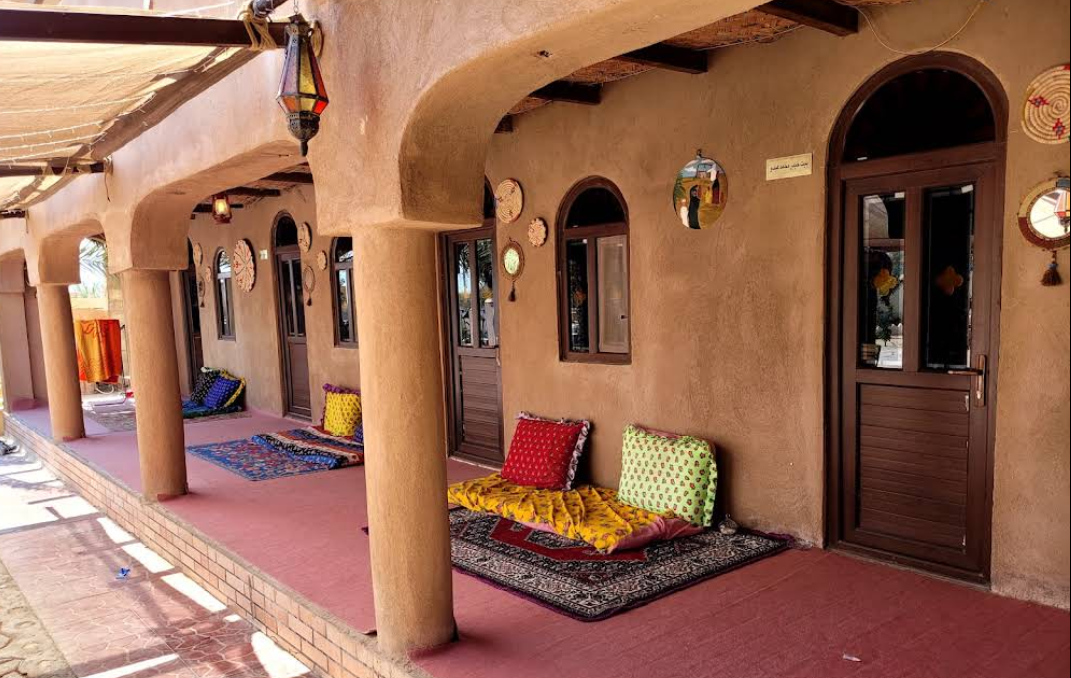
Aldiwan Eco-Lodge, Nakhle Ghanem (2)

Photo: Mohammadreza Shahidi


Interview ID:

1,759

Aldiwan Eco-Lodge, Nakhle Ghanem: Interview Analysis with a 33-Year-Old Male Owner

August 12, 2026

Abstract

This interview analysis explores the perspectives of a 33‑year‑old male owner of Aldiwan Eco‑Lodge in Nakhle Ghanem, Bushehr province. The lodge accommodates 50‑60 guests and has operated for five years. Situated 500 metres from the sea, it is embedded within the village fabric, offering visitors a blend of coastal and rural experience.

The lodge features a hybrid architectural design: two traditional rooms retain original construction, while upper floors are concrete with mudbrick (kâhgel) facades, wooden ceilings, coloured‑glass doors, and a windcatcher (bâdgir). Sleeping arrangements vary – double rooms have beds, 4‑person rooms have three beds, and 8‑person rooms are fully floor‑sleeping (khab‑e kaf). All rooms are en‑suite, a feature guests appreciate as it avoids shared bathrooms.

Food culture is central: breakfast is provided by the lodge, while lunch and dinner are prepared by a local woman (outsourced), offering traditional seafood dishes like Majbus (chicken, meat, or fish). A local woman also provides henna painting upon request – a practice usually associated with weddings but popular with tourists. The lodge does not host live music regularly due to rising costs, but performs it upon request. The owner and his mother personally engage with guests, sharing stories about local agriculture, animal husbandry, and fishing – the owner himself is a former fisherman.

Notable attractions promoted include the Suru hot spring (with therapeutic benefits), Jashak salt mountain, and Nakhiloo Island (though access has been restricted in recent years). The lodge has hosted international visitors from Iraq for research purposes. A memorable anecdote involves hosting a disabled guest (a blogger) free of charge, who later provided substantial publicity. The owner emphasises community embeddedness: local hiring (cleaners, breakfast cook, car rentals), supporting local bread production, and environmental awareness through coordinated beach clean‑ups by the village council.

Extracted Insights

Key findings from the field interview

1. Hybrid Architecture: Tradition with Modern Comfort

The lodge deliberately combines traditional and modern elements to meet diverse guest expectations. Two rooms are fully traditional in style, while the upper floors are concrete structures clad in mudbrick (kâhgel) to maintain a traditional visual identity. Features like wooden ceilings, coloured‑glass doors, and a windcatcher (bâdgir) evoke local heritage. Sleeping arrangements are flexible: beds for smaller groups, floor‑sleeping (khab‑e kaf) for larger groups, and all rooms have en‑suite bathrooms – a guest‑driven improvement that differentiates the lodge from others with shared facilities.

2. Local Food Outsourcing as Economic and Cultural Strategy

Breakfast is provided by the lodge, but lunch and dinner are outsourced to a local woman who cooks traditional seafood dishes (Majbus with chicken, meat, or fish) in her own kitchen and delivers them. This model reduces operational costs for the lodge, creates local employment, and ensures authentic home‑style cooking. The owner notes that some guests visit weekly solely for the traditional food – a testament to its quality and authenticity.

3. Henna Painting as a Cultural Offering

Henna painting (naghsh‑e hana) – traditionally used for weddings – is offered upon request through a local woman. This practice has become a popular cultural experience for tourists, allowing them to engage with a tangible, artistic aspect of local tradition. The lodge acts as a broker, connecting guests with the community expert.

4. Personal Storytelling and Family‑Run Hospitality

The lodge is truly family‑run: the owner handles reception, while his mother is the primary hostess, warmly interacting with guests. The owner, a former fisherman, shares personal stories about local fishing, agriculture, and animal husbandry – offering guests an intimate, first‑hand perspective on rural coastal life. Names of local elders (captains, merchants) are displayed on room doors, sparking curiosity and conversation about regional history.

5. Economic Pressures and Adaptation

Like many lodges, Aldiwan faces inflation and rising costs. The owner has responded by outsourcing meal preparation (reducing kitchen overhead) and making live music available only upon request (due to hourly costs and price increases). He is transparent with guests about these constraints, and they negotiate directly with the local cook for meals. This pragmatic approach maintains quality while shifting financial responsibility to those who request premium services.

6. Community and Environmental Stewardship

The lodge supports the local economy by hiring within the village: cleaners, breakfast cook, henna artist, and even car rental services are sourced locally. Local bread is purchased to support village bakers. For environmental care, the village council has assigned a person to clean the beach weekly – a coordinated community effort. The owner also advises guests not to litter and to respect the natural environment.

Camera Camera Photo: Mokhtar Garmehi

Jan 2023

7. Attractions Beyond the Beach

While the beach is the primary draw, the owner actively promotes the Suru hot spring (with therapeutic benefits, warm in winter), Jashak salt mountain, and Nakhiloo Island (though access has been restricted in recent years due to regulatory issues). These diverse natural assets enrich the visitor experience, offering a mix of relaxation, adventure, and cultural discovery.

8. Memorable Hospitality and Word‑of‑Mouth Success

The owner recounts touching guest stories: a guest from Karaj cried upon leaving, so moved by the experience; a disabled blogger was hosted free of charge (the owner and his mother provided full care), and later gave the lodge substantial publicity. This emphasis on compassionate, non‑transactional hospitality generates powerful word‑of‑mouth marketing.

Conclusion

Aldiwan Eco‑Lodge in Nakhle Ghanem presents a compelling model of hybrid, community‑embedded coastal hospitality that successfully balances tradition, modern comfort, and economic pragmatism. Its success rests on several key pillars:

  • Hybrid architectural design: Traditional elements (mudbrick, windcatcher, wood) blended with modern en‑suite bathrooms and flexible sleeping arrangements (beds and floor‑sleeping).
  • Outsourced local food: Breakfast provided by the lodge; lunch/dinner prepared by a local woman – reducing costs, ensuring authenticity, and supporting the local economy.
  • Cultural engagement: Henna painting, personal storytelling, and names of local elders on room doors – transforming the stay into a cultural encounter.
  • Economic adaptation: Live music only upon request, transparent pricing, and direct guest‑cook arrangements to manage inflation.
  • Community integration: Local hiring, local bread procurement, and participation in village‑led beach clean‑ups.
  • Human‑centric hospitality: Compassionate care for a disabled guest (free of charge) created lasting loyalty and powerful word‑of‑mouth.

The lodge demonstrates that authentic, family‑run hospitality does not require rigid traditionalism. By thoughtfully blending heritage design with modern amenities, and by deeply embedding operations within the local economy, Aldiwan offers a sustainable, scalable, and genuinely warm coastal experience. The lesson: flexibility, community, and personal stories can be as authentic as mudbrick walls.