Interview Overview

A 52‑year‑old man runs Nakhoda Ali Eco‑Lodge in Bashī village, Tangestan, Bushehr. The 20‑25 guest lodge has operated for nine years. Located 5 minutes from the sea, it offers easy access to Koluts and salt mountains. Built in the owner’s father’s house – a captain (Nakhoda). Guests include international tourists (Dutch, Spanish, French, German). Flexible food options. Free stays for hitchhikers. The owner learned environmental care from guests.

Participant Profile

Age: 52

Gender: Male

Capacity: 20-25 guests

Experience: 9 years

Interview Type: Telephone

Interview Date: December 17, 2025

Accommodation: Nakhoda Ali Eco-Lodge

Location: Bashi Village-Tangestan-Bushehr

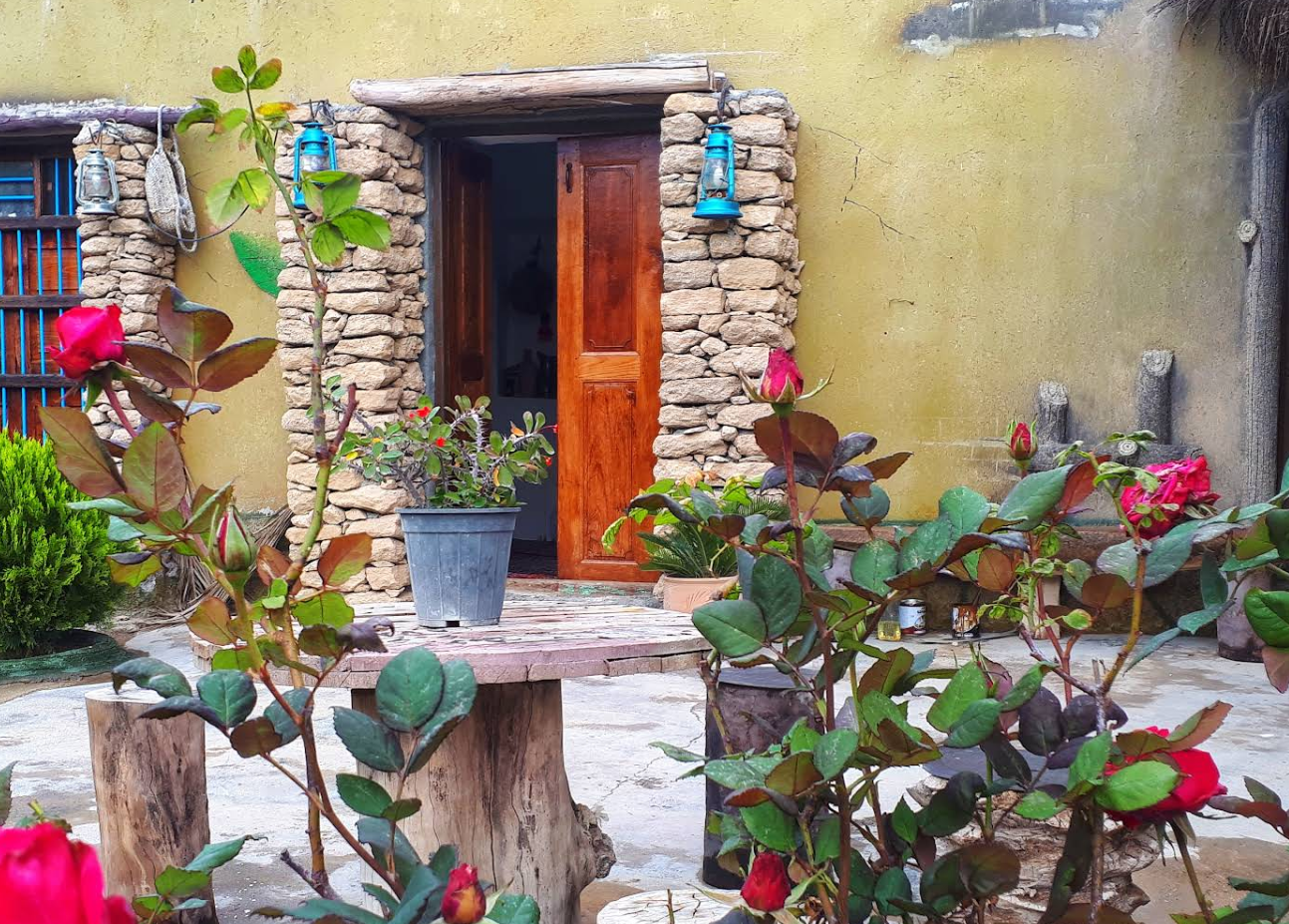
Nakhoda Ali Eco-Lodge, Bashī Village (Tangestan)

Photo: Ahmad HajiZadeh


Interview ID:

1,963

Nakhoda Ali Eco-Lodge, Bashī Village (Tangestan): Interview Analysis with a 52-Year-Old Male Owner

August 12, 2026

Abstract

This interview analysis explores the perspectives of a 52‑year‑old male owner of Nakhoda Ali Eco‑Lodge in Bashī village, Tangestan, Bushehr province. The lodge accommodates 20‑25 guests and has operated for nine years. Located just a 5‑minute walk from the sea, it offers easy access to the Koluts (wind‑eroded clay formations), the salt mountain, and Nakhiloo Island. The lodge was established in the owner’s father’s house – a deliberate act of preserving family heritage. The owner himself is a captain (nakhoda), as was his father, and the lodge’s name honours his father’s memory.

The owner began restoring the house for personal reasons, with no knowledge of eco‑tourism or heritage regulations. A year later, the Cultural Heritage Organisation approached him, offered guidance, and granted a licence. In the first year, the lodge hosted many international tourists from the Netherlands, Spain, France, and Germany – and for a period, the owner accepted only foreign guests. However, international tourism has since declined, and he now hosts primarily domestic visitors.

The owner distinguishes between tourists (seeking experiences and attractions) and travellers (seeking simple accommodation). He offers a free room and meals to hitchhikers (hitchhike travellers). Sleeping arrangements are flexible: floor sleeping for tourists, beds for travellers. Food is prepared by the owner’s wife, with a kitchen available for self‑catering. The owner has maintained prices unchanged from the previous year, keeping the lodge full even on weekdays. A distinctive story: the owner admits that he used to litter on the beach himself, but through interactions with tourists, he learned environmental responsibility and now actively cleans the beach. This case presents a model of evolving, guest‑educated hospitality – where the host’s own transformation is as significant as the guest experience.

Extracted Insights

Key findings from the field interview

1. The Captain’s House: Honouring a Father’s Memory

The lodge was established in the owner’s father’s house – a deliberate act of preserving family heritage. His father was a captain (nakhoda), and the owner himself is also a captain, having sailed to Dubai. He wanted to keep his father’s name alive after his death, as his father had built and revived the house. The owner began restoring the house for personal reasons – to honour his father and preserve the traditional architecture – with no knowledge of eco‑tourism or heritage regulations. A year later, the Cultural Heritage Organisation approached him, offered guidance, and granted a licence. The lodge’s name, Nakhoda Ali, directly honours his father.

2. Location and Natural Assets: Sea, Koluts, and Salt Mountain

The lodge is located just a 5‑minute walk from the sea, with excellent access to the Koluts (wind‑eroded clay formations), the salt mountain (gnebb-e namak), and the coast. The owner highlights the strategic accessibility: guests can reach multiple attractions within short distances – a 5‑minute drive for most sites, and about an hour for hiking. The lodge is 35 kilometres from Bushehr city, making it a convenient base for exploring the region.

3. International Tourists: The Early Years and Decline

In the first year of operation, the lodge hosted many international tourists from the Netherlands, Spain, France, and Germany. At one point, the owner decided to accept only foreign guests. He notes that international tourism continued well until last year, with visitors from Kyrgyzstan, France, and Germany. However, international tourism has since declined. This trajectory reflects broader political and economic shifts affecting Iran’s tourism industry.

4. Tourists vs. Travellers: A Crucial Distinction

The owner makes a clear distinction between tourists (seeking experiences, attractions, and cultural immersion) and travellers (seeking simple accommodation). Tourists are offered guided tours, local food, and cultural experiences. Travellers are offered a place to sleep and basic amenities. The owner notes that the two groups have different expectations: travellers want beds, while tourists are happy to sleep on the floor in sleeping bags. This distinction shapes the lodge’s service offerings and pricing.

5. Flexible Sleeping Arrangements: Floor and Beds

Sleeping arrangements are flexible: floor sleeping (khab‑e kaf) for tourists who seek authentic experiences, and beds for travellers who prefer comfort. The owner notes that guests from Shiraz (travellers) often request beds, while international tourists are content with sleeping bags on the floor. This adaptability allows the lodge to serve both groups effectively.

6. Flexible Food: Home Cooking and Self‑Catering

The owner’s wife prepares traditional local food for guests. However, guests are also given the option to use the kitchen and cook for themselves – a self‑catering model that reduces costs and provides flexibility. The owner notes that food prices are lower than in Bushehr city, despite quality ingredients. A filtered water system is installed in the kitchen, available for both the owner and guests.

7. Price Stability: Keeping Costs Low

The owner has deliberately maintained prices unchanged from the previous year – a strategy that has kept the lodge full even on weekdays. He notes that many other eco‑lodges have increased prices, but he prioritises accessibility. He does not look at a guest’s wealth to charge more; he treats everyone equally. A free room and free meals are offered to hitchhikers (hitchhike travellers) who coordinate in advance. Some guests also volunteer to help with lodge tasks for a few hours daily.

8. A Beautiful but Ecologically Sensitive Beach

The owner notes a beach area with beautiful stones and shells that he sometimes does not show to guests because he wants to protect the ecosystem. However, he also admits that he takes some guests there because he has learned a lot from them – suggesting a reciprocal, learning‑based relationship with visitors.

9. Learning Environmental Care from Guests

The owner candidly admits: “In the beginning, we used to throw rubbish on the beach and not bring it home. But when I entered the tourism industry, I learned alongside tourists. Now I clean the beach myself.” This is a striking example of how guest interaction can educate hosts. The owner’s environmental behaviour has been transformed through exposure to tourists who valued cleanliness and conservation. He now collects any litter guests leave behind.

Camera Camera Photo: Mehdi Monavari

10. Respectful Mealtime Boundaries

The owner follows a culturally sensitive practice: he does not disturb guests during meals. He allows them to eat in peace and only initiates conversation after the meal, if guests have questions. He considers it “ugly” to talk to guests while they are eating. This respect for mealtime boundaries reflects traditional Bushehri etiquette.

11. Honouring Regional Diversity

The owner notes that each region of Bushehr has its own distinct culture. He does not generalise – the architecture, food, and customs of Tangestan differ from other areas. This sensitivity to regional diversity is reflected in how he presents local culture to guests.

12. Continuous Learning and Personal Growth

The owner emphasises that he has learned a great deal from tourists. He mentions that before tourism, going to the sea had become routine for him, and he rarely went. Now, he goes to the beach every day to relax – a personal benefit derived from hosting others.

Conclusion

Nakhoda Ali Eco‑Lodge in Bashī village offers a model of evolving, guest‑educated hospitality – where the host’s own transformation through interaction with visitors is as significant as the guest experience. Its success rests on several key pillars:

  • Heritage foundation: Established in the owner’s father’s house – honouring a captain’s memory through the lodge’s name.
  • Prime location: Just 5 minutes from the sea, with easy access to Koluts, salt mountain, and Nakhiloo Island.
  • International history: Early years hosting Dutch, Spanish, French, and German tourists – a significant achievement for a remote village lodge.
  • Distinction between tourists and travellers: Tailoring services to different guest expectations (beds for travellers, floor sleeping for tourists).
  • Flexible food options: Home cooking by the owner’s wife, with self‑catering available.
  • Price stability: Maintaining low prices, offering free accommodation and meals to hitchhikers, and accepting volunteer help.
  • Environmental transformation: The owner admits to having learned environmental responsibility from tourists – now actively cleaning the beach.
  • Respectful hospitality: Not disturbing guests during meals – a reflection of traditional etiquette.
  • Regional cultural sensitivity: Honouring the distinct cultures of different Bushehri regions.
  • Continuous learning: The owner’s personal growth through guest interaction – a reciprocal educational process.

The lodge demonstrates that authenticity in tourism is not a static state – it is a learning journey. The owner’s frank admission that he used to litter and learned better from tourists is a powerful testament to the transformative potential of cross‑cultural exchange. This case offers a profound lesson for hospitality: when hosts are open to learning from their guests, both parties grow – and the landscape benefits too.