Interview Overview

A 45‑year‑old man runs Jaeinak Eco‑Lodge near Bushehr, just 20 minutes from the city. The 35‑guest lodge has operated for nine years. Located directly on the coast, it offers traditional floor sleeping, local cuisine (Ghalieh Mahi, shrimp, Lalak rice), and tours to the salt dome. The lodge uses 100‑year‑old imported Indian wood. Staff wear traditional dress only during Nowruz. A Japanese guest praised the spicy local food.

Participant Profile

Age: 45

Gender: Male

Capacity: 35 guests

Experience: 9 years

Interview Type: Telephone

Interview Date: December 16, 2025

Accommodation: Jaeinak Eco‑Lodge

Location: Barboo-Delvar, Bushehr

dayyer

Photo: Seyedhossein Razavinasab


Interview ID:

1,972

Jaeinak Eco-Lodge, Near Bushehr: Interview Analysis with a 45-Year-Old Male Owner

August 12, 2026

Abstract

This interview analysis explores the perspectives of a 45‑year‑old male owner of Jaeinak Eco‑Lodge, located just 20 minutes from Bushehr city on the coast. The lodge accommodates 35 guests and has operated for nine years. Spanning 2,700‑2,800 square metres, the lodge combines traditional and modern elements: 300‑400 square metres are built entirely with traditional materials (mudbrick, wood), while upper units are under construction in a terraced, multi‑unit style. A coffee shop and traditional tea house are fully operational.

The owner, who previously worked as a safety inspector, was inspired by seeing eco‑lodges during his travels. He built the lodge primarily for personal satisfaction, not profit. Sleeping is entirely floor‑based (khab‑e kaf) – no beds – reflecting the traditional style. Food is prepared in the lodge kitchen upon order, featuring local dishes: Ghalieh Mahi (fish stew), fried fish, shrimp, Lalak (crushed wheat), local bread, and herbs.

A distinctive feature is the use of 100‑year‑old wood imported from India – reclaimed from demolished old buildings – for doors and windows. The owner actively preserves and reuses these materials. He organises tours to the salt dome and other attractions, though he is not a guide himself; he employs guides for the lodge.

The lodge is designed to accommodate different guest types: mountaineers (who are comfortable with lizards and rustic conditions), urban visitors (who prefer modern comforts but want to experience nature), and short‑stay business travellers (who appreciate the freedom compared to hotels). Staff wear traditional dress only during Nowruz holidays. Live music is available upon request. A memorable story involves a Japanese guest who requested the owner’s favourite local dish – the very spicy Ghalieh Mahi – and thoroughly enjoyed it, saying it was the best food he had eaten in Iran. Environmental practices include feeding all food waste to animals and encouraging guest awareness. This case presents a model of adaptive, heritage‑conscious coastal hospitality that balances tradition with modern expectations across diverse visitor segments.

Extracted Insights

Key findings from the field interview

1. Strategic Location: Coastal Proximity and Urban Accessibility

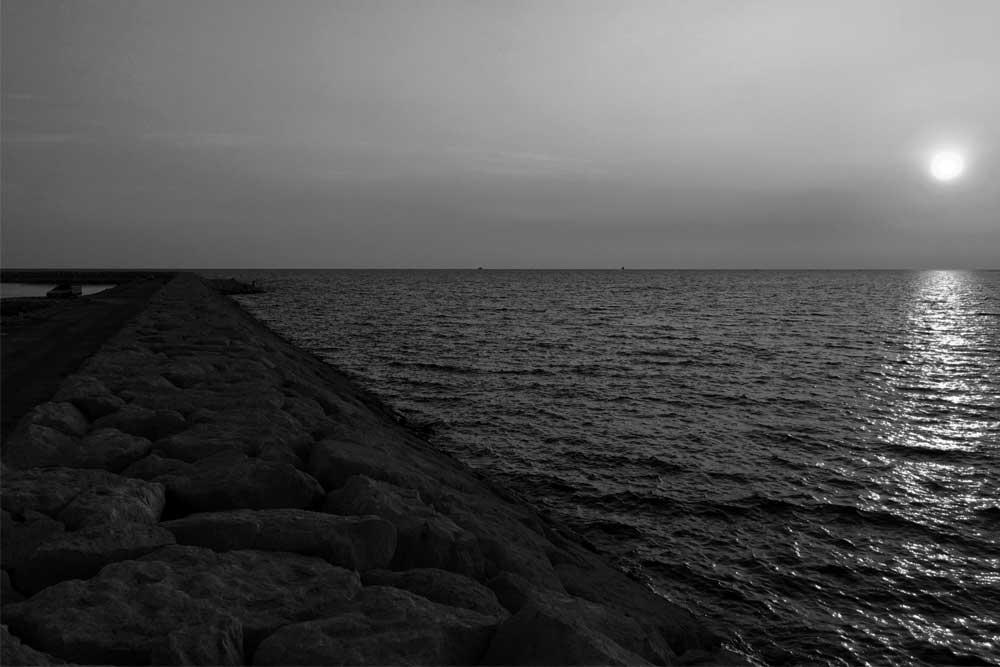
The lodge is located directly on the coast, just 20 minutes from Bushehr city – making it accessible for both short‑stay visitors and longer‑term guests. The owner notes that the location is ideal for those who want to be close to the sea while still having easy access to the city’s amenities. The lodge offers a large parking area, a significant advantage for guests.

2. Spacious Compound with Traditional and Modern Sections

The lodge spans 2,700‑2,800 square metres. Approximately 300‑400 square metres are built in a fully traditional style using natural materials (mudbrick, wood, no industrial materials). A coffee shop and traditional tea house are operational. The upper floors are under construction as terraced, multi‑unit buildings – a practical expansion that will accommodate more guests while preserving the traditional character of the main building.

3. Use of 100‑Year‑Old Indian Wood

A distinctive feature is the owner’s practice of reclaiming wood from demolished old buildings – some of which was originally imported from India over a century ago. This wood is reused for doors and windows in the lodge. The owner sees this as a form of cultural preservation, giving new life to materials that carry historical significance.

4. Traditional Floor Sleeping (Khab‑e Kaf)

Sleeping is entirely floor‑based (khab‑e kaf), with no beds. The owner explains that in the past, no one slept on beds in this region – this was the traditional style. The lodge maintains this practice, offering guests an authentic experience of how locals once lived.

5. Flexible Food Service: Local Cuisine upon Order

Food is prepared in the lodge kitchen upon guest order – not pre‑made. This ensures freshness. Menu items include Ghalieh Mahi (fish stew), fried fish, shrimp, Lalak (crushed wheat), local bread, and fresh herbs. Guests must order in advance, specifying the type and quantity of food they want. This model reduces waste and ensures that guests receive freshly cooked meals.

6. Tour Services: Salt Dome and Nearby Attractions

The lodge organises tours to the salt dome and other local attractions. The owner employs local guides for these tours, as he does not personally lead them. This approach supports the local economy and ensures professional guiding.

7. Differentiated Spaces for Different Guest Types

  • The lodge is deliberately designed to accommodate diverse guest profiles:
  • Mountaineers and nature lovers: Comfortable with rustic conditions, including lizards and simple sleeping arrangements.
  • Urban visitors: Prefer modern comfort but want to experience traditional food and atmosphere; may need reassurance about wildlife.
  • Short‑stay business travellers: Visiting for port or customs work; appreciate the freedom and relaxed atmosphere compared to hotels.
  • The owner has created spaces that suit each group, ensuring that every guest finds comfort regardless of their expectations.
Camera Camera Photo: Seyedhossein Razavinasab

8. Local Dress Only During Nowruz

Staff wear traditional local clothing only during the Nowruz holiday period – not year‑round. This suggests that the lodge does not perform tradition for tourist consumption but reserves it for cultural celebrations.

9. Live Music upon Request

The owner notes that there are no neighbours nearby, so he has no restrictions on playing music. However, he does not play it automatically; guests must request it. This respectful approach avoids imposing noise on those who seek silence.

10. The Japanese Guest Story: Spicy Food and Cultural Exchange

A memorable anecdote: a Japanese guest asked the owner to serve whatever food the owner himself liked best. The owner served the very spicy Ghalieh Mahi – a dish so hot that locals enjoy it. Despite the owner’s doubts, the Japanese guest ate it with great pleasure and said: “I have travelled all over Isfahan, and I have never eaten such good food.” The guest also photographed and filmed everything he encountered – a sign of deep appreciation.

11. Zero Food Waste

The lodge has a practical environmental policy: any food that cannot be consumed by humans is fed to the animals kept on the property. This eliminates food waste and completes a natural cycle. The owner notes that guests from larger cities are often more environmentally conscious than locals, and some have taught him about sustainability practices (e.g., planting trees as charity).

12. No Concealed Aspects

The owner states openly that there is nothing in local life that he feels the need to hide from guests. This transparency aligns with the broader pattern across the interview series.

Conclusion

Jaeinak Eco‑Lodge near Bushehr offers a model of adaptive, heritage‑conscious coastal hospitality that balances tradition with modern expectations across diverse visitor segments. Its success rests on several key pillars:

  • Strategic coastal location: Just 20 minutes from Bushehr, with easy access to both city and nature.
  • Spacious compound: 2,700‑2,800 square metres, blending traditional architecture with modern expansion.
  • Preservation of imported heritage wood: Reusing 100‑year‑old Indian wood for doors and windows.
  • Authentic floor sleeping (khab‑e kaf): No beds – preserving the traditional sleeping style.
  • Fresh local food upon order: Ghalieh Mahi, shrimp, Lalak, and herbs – ensuring quality and minimising waste.
  • Diverse guest accommodation: Different spaces for mountaineers, urban visitors, and business travellers.
  • Professional tour services: Employing local guides for salt dome and other attractions.
  • Selective tradition display: Staff wearing local dress only during Nowruz – avoiding performative culture.
  • Respect for silence: Live music only upon request.
  • Zero food waste: Feeding leftovers to animals.
  • Openness: No hidden aspects of local life.

The lodge demonstrates that adaptability does not require compromising authenticity. By designing different spaces for different guest expectations – from mountaineers to business travellers – the owner has created a lodge that serves a wide audience while maintaining its traditional character. The story of the Japanese guest, who relished the spicy local food that many would avoid, shows that authenticity, when offered without apology, can be appreciated by the most unexpected visitors. This case offers a valuable lesson for coastal hospitality: when you know your place and your guests, you can serve both without betraying either.