Interview Overview

A 42‑year‑old man from Shiraz runs Shalu Eco‑Lodge near Delvar, Tangestan, Bushehr. The 10‑guest lodge has operated for seven years. Located 50 steps from a sandy beach, it offers floor sleeping, traditional architecture (70% traditional, 30% modern), and outsourced local food. The owner emphasises honesty and cleanliness. He is the sole operator, commuting from Delvar. Guests are mostly families. He regrets the loss of traditional rural character due to uncontrolled construction.

Participant Profile

Age: 42

Gender: Male

Capacity: 10 guests

Experience: 7 years

Interview Type: Telephone

Interview Date: December 16, 2025

Accommodation:Shalu Eco‑Lodge

Location: Barboo, Delvar, Bushehr

dayyer

Photo: Seyedhossein Razavinasab


Interview ID:

1,976

Shalu Eco-Lodge, Near Delvar (Tangestan): Interview Analysis with a 42-Year-Old Male Owner

August 12, 2026

Abstract

This interview analysis explores the perspectives of a 42‑year‑old male owner of Shalu Eco‑Lodge near Delvar, Tangestan, Bushehr province. The lodge accommodates 10 guests and has operated for seven years. Uniquely, the owner is not a local – he is originally from Shiraz and moved to the area to establish the lodge. Located just 50 steps from a pristine sandy beach, the lodge offers easy access to the sea, the Koluts (clay formations), and the salt mountain.

The lodge was built from scratch on a vacant plot of land. It is designed to be 70% traditional and 30% modern – featuring mudbrick (kâhgel) walls, wooden ceilings (using Russian wood instead of standard false ceilings), wooden doors and windows styled after Bushehr’s historical fabric, and floor sleeping (khab‑e kaf). Bathrooms are modern (tiled, with Western‑style toilets inside the rooms and Iranian‑style outside) – a practical concession to hygiene that the owner acknowledges.

Food is entirely outsourced to a local cook, and the owner directs guests to a village shop for supplies, supporting the local economy. The owner is the sole staff member, commuting from the nearby town of Delvar. He maintains a strict commitment to cleanliness, regardless of whether a room has been vacant or occupied. He also emphasises honesty as the core value of his operation – ensuring that what is advertised matches what guests receive.

The owner expresses deep regret about the loss of the region’s traditional character. He notes that uncontrolled construction permits and lack of oversight have led to the destruction of old buildings and the replacement of rural fabric with modern multi‑storey apartments. Visitors who came five years ago now return to find the village transformed into a suburban town. He also observes that many guests are so absorbed in their mobile phones that they fail to notice the beach and nature around them – a symptom of modern urban life. This case presents a model of honesty‑centred, small‑scale coastal hospitality, where integrity and cleanliness compensate for limited services, but where the broader loss of authenticity is a source of deep concern.

Extracted Insights

Key findings from the field interview

1. An Outsider’s Perspective: The Owner from Shiraz

Uniquely among this interview series, the owner is not a local – he is originally from Shiraz and moved to the Delvar region to establish the lodge. This outsider perspective gives him a distinct view of the area: he notices and articulates changes in the village’s character that locals might take for granted. His decision to move and invest in the area reflects a genuine appreciation for the region’s natural beauty.

2. The Lodge: Built from Scratch with a 70/30 Traditional‑Modern Split

The lodge was built from scratch on a vacant plot of land. The design is 70% traditional and 30% modern. Traditional elements include mudbrick (kâhgel) walls, wooden ceilings (using Russian wood instead of standard false ceilings), and wooden doors and windows styled after Bushehr’s historical fabric. The owner has deliberately avoided a fully modern design to maintain a connection to the region’s architectural heritage.

3. Floor Sleeping and Modern Bathrooms

Sleeping is entirely floor‑based (khab‑e kaf), with no beds. However, bathrooms are modern – tiled, with Western‑style toilets inside the rooms and Iranian‑style toilets outside. The owner acknowledges that bathrooms cannot be built in a traditional style due to hygiene requirements. This selective modernisation is a practical compromise that preserves tradition where possible while meeting modern health standards.

4. Outsourced Local Food and Support for the Village Economy

Food is entirely outsourced to a local cook, who prepares traditional dishes (seafood, fish, Ghalieh Mahi) at agreed prices. The owner also directs guests to a village shop for supplies, ensuring that the economic benefit reaches the community. This decentralised model reduces operational complexity for the lodge while supporting local livelihoods.

5. The Owner as the Sole Operator

The owner is the sole staff member at the lodge. He commutes from the nearby town of Delvar and manages all aspects of the operation himself – from cleaning to guest reception. He stays on‑site in a designated container during guest stays to ensure he can respond to any issues. This hands‑on, single‑operator model reflects the lodge’s small scale (10 guests) and the owner’s commitment to personal service.

6. Honesty and Cleanliness as Core Values

The owner emphasises honesty and cleanliness as his lodestone values. He believes that if the advertised information matches what guests receive, visitors will return and recommend the lodge to others. He treats all guests equally, with no difference in cleanliness standards between rooms that have been vacant for days and those that were recently vacated. He quotes: “If you have integrity in your work, the guest will never go elsewhere.”

7. A Sandy Beach Just 50 Steps Away

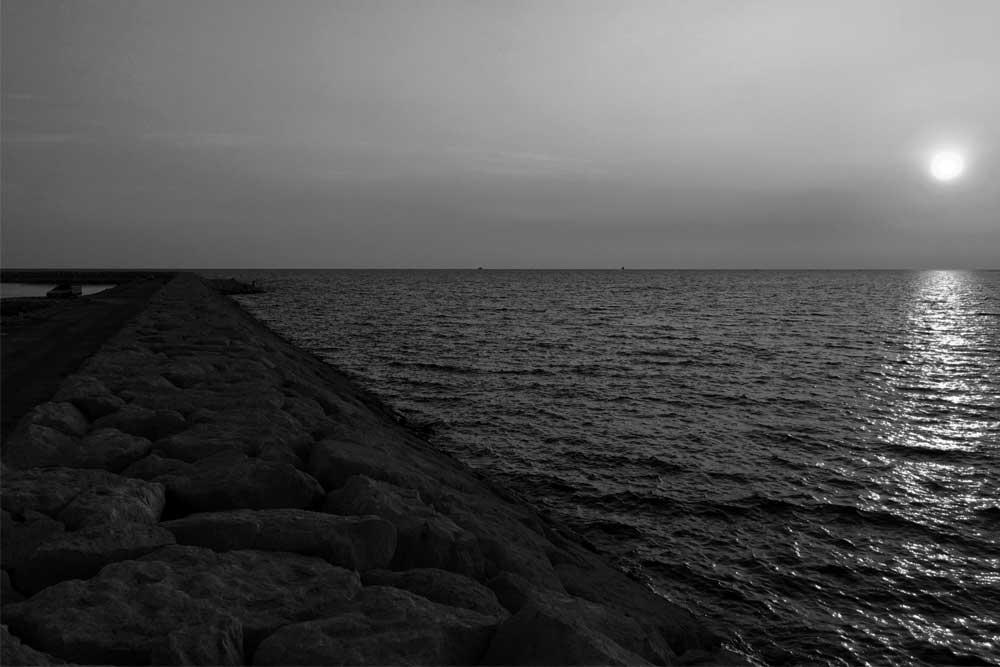
The lodge’s location is a key asset: it is just 50 steps from a pristine sandy beach. Guests consistently praise the beach in their feedback. However, the owner notes that guests have different habits – some spend their entire time on the beach, while others never leave the lodge and instead visit Bushehr or shopping centres.

8. Deep Regret: The Loss of Rural Character

The owner expresses profound regret about the transformation of the region. In his view, uncontrolled construction permits and lack of oversight have led to the destruction of traditional buildings and the replacement of rural fabric with modern multi‑storey apartments. He notes that visitors who came five years ago now return to find a suburban town, not a village. He says: “That beautiful village – where has it gone?” He believes that the local authorities have failed to preserve the area’s heritage, and that money has replaced authenticity.

Camera Camera Photo: Seyedhossein Razavinasab

9. Mobile Phone Culture: Guests Who Don’t See the Beach

The owner observes a striking phenomenon: many guests are so absorbed in their mobile phones that they fail to notice the natural beauty around them. He describes people sitting by the beach but looking at their phones, ignoring the magnificent scenery. He attributes this to modern urban life and the artificial environments in which people live. He also notes that some guests show little interest in visiting the nearby hills, mountains, or palm groves – suggesting a disconnection from nature.

10. Environmental Challenges: Littering by Locals, Not Tourists

The owner notes that tourists have not been the problem for littering. Instead, locals and residents of neighbouring towns – particularly those who come to the beach on Thursday evenings – leave significant rubbish. This observation challenges the common stereotype that tourists are the primary source of environmental damage. The owner advises guests to carry their waste to Delvar or other towns with municipal bins.

11. Minimal Guest Feedback and Improvements

In seven years of operation, the owner has received only two suggestions from guests. One suggestion involved using single‑burner gas stoves instead of picnics. The owner had to decline due to safety regulations (he requires guests to cook outside to keep the space clean and protect the wooden ceilings). This minimal feedback suggests that guests are generally satisfied.

Shalu Eco‑Lodge near Delvar offers a model of honesty‑centred, small‑scale coastal hospitality – where integrity, cleanliness, and personal service compensate for limited infrastructure, but where the broader loss of the region’s authenticity is a source of deep concern. Its success rests on several key pillars:

  • Outsider’s perspective: A non‑local owner who consciously chose the region for its natural beauty and heritage.
  • Built from scratch: A new building designed to be 70% traditional and 30% modern – respecting regional architecture.
  • Floor sleeping (khab‑e kaf): Preserving the traditional sleeping style.
  • Modern bathrooms: A practical compromise for hygiene, with Western and Iranian toilets.
  • Outsourced local food: Supporting the village cook and shopkeeper.
  • Sole operator model: The owner personally manages everything – ensuring consistent quality and personal care.
  • Honesty and cleanliness: The core values – no difference in standards between vacant and occupied rooms.
  • Prime location: Just 50 steps from a pristine sandy beach.
  • Deep regret for lost authenticity: Observing the destruction of traditional rural fabric due to uncontrolled construction.
  • Environmental awareness: Advising guests to carry waste to municipal bins.

The lodge demonstrates that integrity is the most powerful marketing tool in hospitality. The owner’s insistence on honesty and cleanliness has built a loyal clientele, even without elaborate services. However, his deep regret about the region’s transformation reflects a broader tension in Iranian tourism: as rural areas develop, they risk losing the very character that attracted visitors in the first place. This case offers a sobering lesson for cultural and coastal tourism: authenticity is not only about what you build – it is also about what you allow to be destroyed.