Interview Overview

A 44‑year‑old man runs Beyrami Eco‑Lodge in Banian village, Tangestan, Bushehr. The 20‑30 guest lodge has operated for eight years. Located near the province’s highest peak, it attracts hikers and nature lovers. The lodge was built in the owner’s grandfather’s house. Sleeping combines floor and wooden beds. Food blends traditional and popular dishes. Spring water enhances cooking. The owner views this as a passion, not a business.

Participant Profile

Age: 44

Gender: Male

Capacity: 20-30 guests

Experience: 8 years

Interview Type: Telephone

Interview Date: December 15, 2025

Accommodation: Beyrami Eco-Lodge

Location: Banian Village-Tangestan-Bushehr

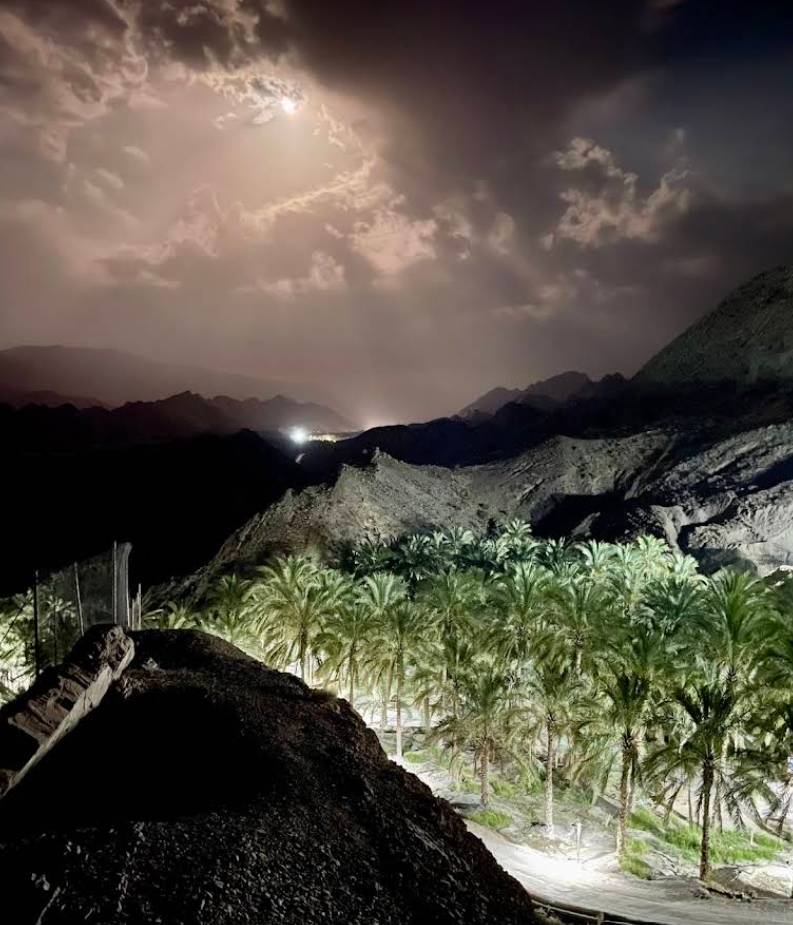
Beyrami Eco-Lodge, Banian Village (Tangestan)

hoto: Property Owne


Interview ID:

1,952

Beyrami Eco-Lodge, Banian Village (Tangestan): Interview Analysis with a 44-Year-Old Male Owner

August 12, 2026

Abstract

This interview analysis explores the perspectives of a 44‑year‑old male owner of Beyrami Eco‑Lodge in Banian village, Tangestan, Bushehr province. The lodge accommodates 20‑30 guests and has operated for eight years. Located near the highest peak in Bushehr province (also named Beyrami), the lodge attracts hikers, mountaineers, and nature lovers. The area hosts numerous mountaineering camps, and the lodge welcomes both indoor guests and those who prefer to camp in the courtyard – a flexible approach that accommodates diverse visitor preferences.

The lodge was established in the owner’s grandfather’s house – a deliberate act of preserving family heritage. The owner began in 2010 (1389), when eco‑lodges were virtually unknown in Bushehr. A friend working in the Cultural Heritage Organisation guided him through the concept and licensing process, and the venture proved surprisingly successful from the first year. The owner has since participated in numerous exhibitions and training courses, estimating that he now has about 60% mastery of the eco‑tourism field – he avoids claiming 100% as he considers that arrogant.

Sleeping arrangements are flexible: the lodge has experimented with both floor sleeping (khab‑e kaf) and wooden beds, and currently offers a combination of both, which guests appreciate. Food is similarly adaptable: traditional Bushehri dishes are offered alongside popular options like chicken, allowing guests to explore local cuisine at their own pace. The owner notes that many guests initially hesitate to try unfamiliar dishes (fish stews, fried fish, or “Gomene” – cooked crushed wheat) but often become enthusiastic after tasting them. A distinctive asset is the spring water used for cooking, which guests have noticed significantly enhances flavour.

The owner does not personally lead tours but prepares tourism packages and coordinates with professional guides. He views his eco‑lodge as a passion project rather than a business; his primary income comes from other work, and any revenue from the lodge is reinvested. He has faced challenges with local authorities, including a village council member who removed promotional signs. Environmental efforts include installing waste bags during peak tourist seasons (March‑April) and advising guests to carry out their own rubbish. A memorable story involves rescuing a stranded group during heavy rain – offering them free accommodation and creating lasting friendships. This case presents a model of heritage‑based, passion‑driven hospitality, where personal connection, flexibility, and family legacy are valued above commercial profit.

Extracted Insights

Key findings from the field interview

1. The Grandfather’s House: Heritage Preservation as the Starting Point

The lodge was established in the owner’s grandfather’s house – a deliberate act of preserving family heritage. The owner started in 2010, when eco‑lodges were virtually unknown in Bushehr. A friend in the Cultural Heritage Organisation introduced him to the concept, providing guidance on ideas, planning, and training. The venture proved surprisingly successful from the first year, exceeding the owner’s expectations. This heritage foundation gives the lodge a deep personal and historical connection that commercial establishments cannot replicate.

2. Location Near the Highest Peak in Bushehr Province

The lodge is located near the highest peak in Bushehr province (also named Beyrami). This makes it a natural base for hikers, mountaineers, and nature lovers. The area hosts numerous mountaineering camps, and the lodge welcomes both indoor guests and those who prefer to camp in the courtyard. This flexibility – accommodating diverse visitor preferences – is a deliberate strategy to serve the region’s adventure tourism community.

3. Flexible Sleeping Arrangements: Floor and Wooden Beds

The lodge has experimented with both floor sleeping (khab‑e kaf) and wooden beds. Currently, a combination of both is offered, which guests appreciate. The owner notes that modern guests increasingly prefer wooden beds, but the option remains flexible. He has also worked to align with heritage authority requirements while satisfying guest preferences – a pragmatic balance.

4. Adaptable Food: Traditional and Popular Options

Food is flexible: traditional Bushehri dishes are offered alongside popular options like chicken. Many guests initially hesitate to try unfamiliar dishes (fish stews, fried fish, or “Gomene” – cooked crushed wheat) but often become enthusiastic after tasting them. The owner recounts a story of professional chefs who visited and were amazed by the quality of his cooking, which he attributes to the spring water used in preparation. This water, sourced from a local spring, significantly enhances flavour – a natural asset that distinguishes the lodge’s food.

5. Spring Water as a Distinctive Culinary Asset

A distinctive feature of the lodge is the spring water used for cooking. The owner recounts a memorable anecdote: professional chefs visited and were astonished by the quality of his cooking. He explained that the secret was the spring water, and when they cooked rice with the same water themselves, they understood the difference. This natural advantage is a unique selling point that cannot be replicated by other lodges.

6. Storytelling and Night Gatherings (Shab‑Neshini)

The owner keeps the lodge alive through stories – memories passed down from his grandfather and mother. Each part of the lodge has a story to tell, and during night gatherings (shab‑neshini), he shares these memories with guests. This oral tradition is central to the lodge’s identity, transforming accommodation into a living narrative.

7. Passion Over Profit: A Non‑Commercial Philosophy

The owner is explicit: he views his eco‑lodge as a passion project, not a business. His primary income comes from other work, and any revenue from the lodge is reinvested. He sees the lodge as a source of personal pride and community recognition, helping him build connections within the province. This non‑commercial philosophy shapes every decision – from flexible pricing to investing in improvements without pressure to maximise returns.

8. The Stranded Group Rescue: Hospitality Without Charge

A memorable story: a group of mountaineers from Tehran became stranded in heavy rain and mud, exhausted and frustrated after three hours. The owner approached them with humour and warmth, helping them with equipment and providing free accommodation for the night. A month later, the same group returned with 20 people, spending generously on food and facilities. The owner had charged nothing for the first stay, but this act of kindness created lasting friendships and loyal customers.

Camera Camera Photo: Property Owner

9. Challenges with Local Authorities and Sign Removal

The owner faces resistance from local authorities. He installed signs to promote the lodge and the nearby “Benioum” spring, but they were repeatedly removed by locals. He later discovered that the village council member (dehyar) was responsible. The owner’s attempts to raise the issue with district authorities were met with accusations that he acted without coordination. This bureaucratic obstruction is a significant constraint on his efforts to develop the area’s tourism infrastructure.

10. Environmental Efforts: Waste Bags and Guest Education

During the peak tourist season (March‑April, the Nowruz holidays), the owner installs waste bags at designated points and advises guests to carry out their own rubbish. This practical, low‑cost approach to environmental stewardship is consistent with the lodge’s small‑scale, personal character. However, infrastructure support – such as better roads – remains the responsibility of the government and has not been provided.

11. Honest Self‑Assessment: 60% Mastery

The owner estimates he has about 60% mastery of eco‑tourism, refusing to claim 100% because he considers that arrogant. This humility is reflected in his approach: he has participated in numerous exhibitions and training courses over the years, continuously learning. He does not lead tours himself but prepares tourism packages and coordinates with professional guides.

Conclusion

Beyrami Eco‑Lodge in Banian village offers a model of heritage‑based, passion‑driven hospitality – where a family legacy, personal connection, and flexibility are valued above commercial profit. Its success rests on several key pillars:

  • Heritage foundation: Established in the owner’s grandfather’s house, preserving family history.
  • Prime location: Near the highest peak in Bushehr province, attracting hikers and mountaineers.
  • Flexible sleeping arrangements: Combining floor sleeping and wooden beds to satisfy diverse guest preferences.
  • Adaptable food: Blending traditional Bushehri dishes with popular options like chicken, with spring water as a distinctive asset.
  • Storytelling and night gatherings: Sharing oral histories and memories passed down through generations.
  • Passion over profit: The lodge is a labour of love, not a business – primary income comes from other work.
  • Hospitality without transaction: The story of rescuing stranded mountaineers free of charge, creating lasting friendships.
  • Environmental action: Waste bags and guest education during peak seasons.
  • Resilience against obstruction: Continuing despite local authority resistance to signs and infrastructure.
  • Continuous learning: Humble self‑assessment and ongoing training.

The lodge demonstrates that authenticity in rural hospitality is not about replicating a formula – it is about preserving a family’s stories, cooking with spring water, and treating stranded strangers as friends. By prioritising connection over commerce, the owner has built a reputation that generates loyalty and word‑of‑mouth beyond any paid marketing. This case offers a powerful lesson for cultural tourism: when you host from the heart, guests become friends – and friends return with their friends.