Interview Overview

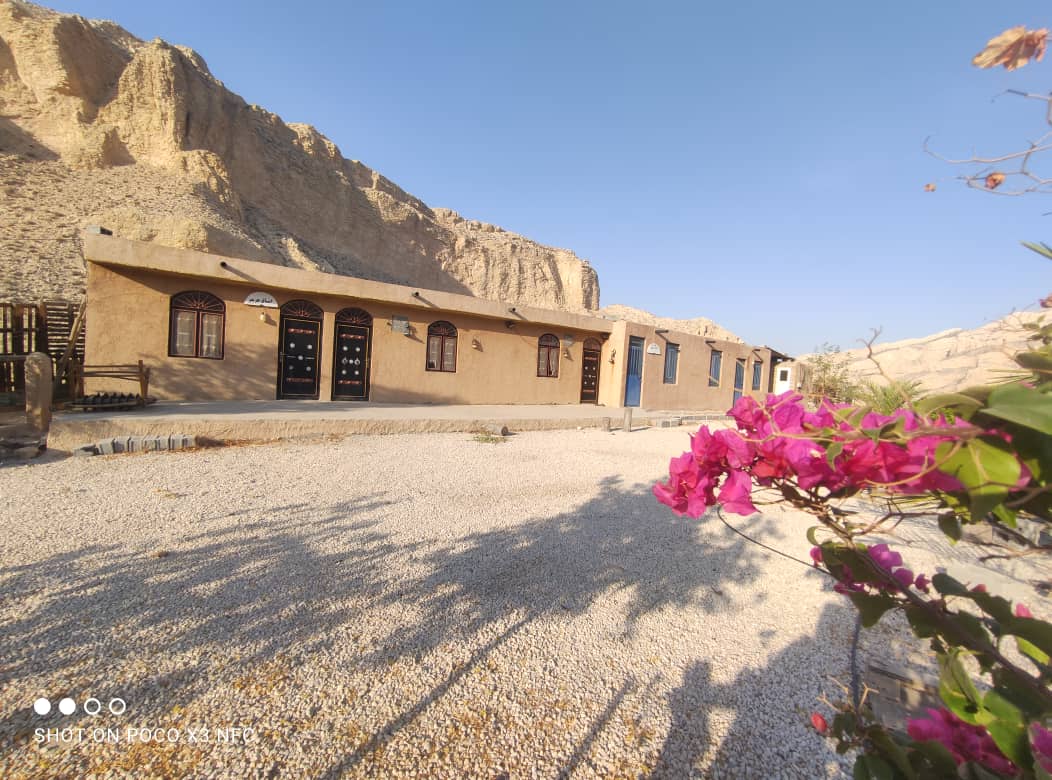
A 44‑year‑old man runs Pardis Jam Eco‑Lodge in Tagho village, near Jam, Bushehr. The 25‑guest lodge has operated for eight years. Located in a mountainous area with terraced houses, it features a permanent freshwater spring, ancient underground aqueducts, and pristine valleys. No mobile signal – complete silence. Guests enjoy floor sleeping, a local museum, and night camps with Khayyam music. The owner promotes eco‑tourism through student camps and tree‑planting.

Participant Profile

Age: 44

Gender: Male

Capacity: 25 guests

Experience: 8 years

Interview Type: Telephone

Interview Date: December 13, 2025

Accommodation: Pardis Jam Eco-Lodge

Location: Tagho Village-Jam-Bushehr

Pardis Jam Eco-Lodge

Photo: Property Owner


Interview ID:

1,941

Pardis Jam Eco-Lodge, Tagho Village (Jam): Interview Analysis with a 44-Year-Old Male Owner

August 12, 2026

Abstract

This interview analysis explores the perspectives of a 44‑year‑old male owner of Pardis Jam Eco‑Lodge in Tagho village, near Jam, Bushehr province. The lodge accommodates 25 guests and has operated for eight years. Unlike most establishments in this series, this lodge is located in a mountainous area with terraced houses, not directly on the coast. The region features a permanent freshwater spring, ancient underground aqueducts (qanats) dating back thousands of years, Sassanid‑era water structures, and pristine valleys. The lodge remains deliberately untouched: no mobile phone signal, no light pollution, only dirt roads – preserving the silence and darkness that urban visitors seek.

The owner, who is also a certified tour leader, inherited the land from his ancestors and was inspired by their traditional architecture. He participates in nature‑tourism courses and has developed a clear philosophy: authenticity lies in preserving the “bom” (vernacular) character, not in catering to modern demands for en‑suite bathrooms and beds. Sleeping is floor‑based (khab‑e kaf); toilets are traditional (though Western‑style was installed reluctantly). Food is prepared according to guest preferences – not strictly traditional, but flexible.

A small on‑site museum displays historical items: old clothing, cooking utensils, lighting tools, agricultural implements, and harvesting equipment. The lodge also hosts night camps (shab‑mani) on the beach with Khayyam music, dancing, and fire‑cooked meals, as well as student environmental camps teaching conservation and native tree planting. The owner has hosted German tourists, whom he describes as cautious and risk‑aware. A significant challenge is the recent wave of illegal excavations and treasure‑hunting that has damaged local archaeological sites – the owner prefers not to reveal certain locations to protect them. This case presents a model of principled, conservation‑focused mountain hospitality, where economic pressures are resisted, and authenticity is defended through active preservation of the built and natural environment.

Extracted Insights

Key findings from the field interview

1. Mountain Location and Pristine Natural Assets

The lodge is located in a mountainous region, not on the coast, making it unique in this series. Key natural assets include a permanent freshwater spring, ancient underground aqueducts (qanats) thousands of years old, Sassanid‑era water structures (a type of dam), a natural phenomenon where water and cars appear to roll uphill (an “inverted slope”), and pristine valleys. The lodge itself features terraced houses built on the mountain slope. The area has no mobile phone signal, no light pollution, and dirt roads – all of which contribute to the profound silence and darkness that urban visitors seek.

2. A Deliberately Untouched, Unspoiled Environment

The owner deliberately preserves the area’s untamed character. There is no mobile coverage, no artificial lighting, and the roads are unpaved. He sees these not as deficiencies but as assets. Guests come specifically to escape the noise, light, and connectivity of city life. One guest, a doctor on honeymoon, initially regretted choosing Bushehr but later told the owner: “We were looking for real tranquillity, not artificial tranquillity – and this is it.” This story underscores the value of an environment that has not been “developed” for mass tourism.

3. Rejecting Modern Guest Expectations: No En‑Suite Rooms, No Beds

The owner is firm on preserving the traditional character of the lodge. Sleeping is floor‑based (khab‑e kaf) – no beds. There are no en‑suite rooms; bathrooms are shared and traditional (though Western‑style toilets were installed reluctantly, under pressure). The owner believes that the demand for en‑suite rooms and beds is “wrong” and contradicts the very meaning of “bom” (vernacular architecture). He argues that guests who want such amenities should stay in hotels, not eco‑lodges. This principled stance reflects a clear, non‑negotiable boundary.

4. Flexible Food: Not Strictly Traditional

Unlike many eco‑lodges that insist on serving only local cuisine, the owner prepares food according to guest preferences. He is open to cooking dishes that guests request, regardless of whether they are traditional to the region. This flexibility is a pragmatic response to guest diversity, ensuring that the lodge accommodates different tastes while maintaining other forms of authenticity.

5. The On‑Site Local History Museum

The lodge houses a small museum of local history, displaying items that reflect the region’s pre‑industrial life: old clothing (displayed on mannequins), cooking utensils, lighting tools, agricultural implements, and harvesting equipment. This museum is integrated into the lodge space, allowing guests to explore the material culture of the area at their own pace. The owner explains the objects and their uses, bringing the past to life for visitors.

6. Night Camps (Shab‑Mani) with Khayyam Music and Beach Gatherings

The lodge organises night camps (shab‑mani) by the sea, where guests stay overnight in a coastal setting. These events feature Khayyam music, traditional dancing (paa‑kubi), fire‑cooked meals, hot tea, and group games like “Mouch” – a traditional local pastime. These camps have received highly positive feedback, as they combine cultural performance, social interaction, and the natural seaside environment in a single, immersive experience.

7. Student Environmental Camps and Native Tree Planting

A significant part of the owner’s mission is environmental education. He organises student camps where young people learn about nature conservation, waste management, and the importance of protecting native trees. The lodge promotes the planting of native species, and each room is named after a local tree. This educational work extends the impact of the lodge beyond tourism, fostering environmental awareness in the next generation.

 

Camera Camera Photo: Property Owner

8. Protecting Heritage from Illegal Excavations

The owner acknowledges a serious threat: a recent wave of illegal excavations and treasure‑hunting (gānejūyī) in the region has damaged ancient sites. He deliberately withholds information about certain locations to protect them from looters. This protective silence is a form of stewardship – actively choosing not to expose vulnerable heritage to potential harm.

9. Economic Pressures and Discounts for Families

The owner is candid about the impact of inflation and rising costs. He notes that since prices have increased, tourists are shortening their stays, some choosing to camp instead of booking rooms. To counteract this, he offers discounts – sometimes 50‑60% – to ensure that families can still afford to visit. His primary goal is to enable people to enjoy nature, not to maximise profit.

10. Rejecting Loud Music and Preserving Silence

The owner has received feedback from guests who complained about loud music and speakers disturbing the natural silence. He notes that the loud equipment was brought by other guests, not the lodge itself. He respects the desire for silence in nature and avoids introducing artificial noise. This sensitivity to the soundscape is consistent with his broader commitment to preserving the area’s unspoiled qualities.

11. Hosting German Tourists: Risk Awareness and Caution

The owner has hosted German tourists, whom he observed to be highly cautious and risk‑aware. They would immediately refuse any activity they perceived as dangerous – such as steep climbs or cold water – and were not influenced by group pressure. This observation suggests that international visitors may have different risk perceptions and expectations, and the lodge accommodates these without pressuring guests.

Conclusion

Pardis Jam Eco‑Lodge in Tagho village offers a principled, conservation‑focused model of mountain hospitality – where authenticity is defended through resistance to modernisation, active protection of heritage, and deliberate preservation of natural silence and darkness. Its success rests on several key pillars:

  • Unique mountain location: A freshwater spring, ancient qanats, Sassanid‑era structures, and an “inverted slope” natural phenomenon – distinct from coastal tourism.
  • Deliberate unspoiled character: No mobile signal, no light pollution, unpaved roads – real tranquillity.
  • Principled resistance to modern amenities: Floor sleeping, no en‑suite rooms, traditional toilets (Western installed reluctantly) – rejecting guest demands that contradict the “bom” concept.
  • Flexible food options: Preparing meals according to guest preferences, not strictly traditional.
  • On‑site local museum: Displaying historical clothing, tools, and household items.
  • Night camps (shab‑mani): Khayyam music, dancing, fire‑cooked meals, and traditional games – creating immersive cultural events.
  • Student environmental camps: Educating young people in conservation, waste management, and native tree planting.
  • Protective stewardship: Withholding information about vulnerable sites to prevent looting and illegal excavation.
  • Economic compassion: Offering discounts to families to ensure access to nature.
  • Respect for silence: Rejecting loud music to preserve the natural soundscape.

The lodge demonstrates that authenticity in ecotourism sometimes means saying no – to guest demands for modern comforts, to loud entertainment, and to revealing sensitive heritage locations. The owner’s willingness to uphold these boundaries, even at the cost of some bookings, reflects a deep commitment to the true meaning of “bom.” This case offers a powerful lesson for rural hospitality: when you protect what you have, rather than adapting to what others want, you create a place that cannot be found anywhere else – and those who find it will value it precisely for that reason.