
Interview Overview

A 38‑year‑old man runs Bandar Parak Coastal Eco-Lodge in Kangan, Bushehr. The 44‑guest lodge has operated for six years, sitting directly on a sandy beach. Guests enjoy seaside activities, traditional mudbrick architecture, and floor sleeping. Self‑catering kitchens keep costs low. Local seafood dishes (Majbus, Mazrouba) are available on order. No staff uniforms – casual dress. Live music (Bagpipes) upon request. The lodge has become a regional landmark.

Participant Profile

Age: 38

Gender: Male

Capacity: 44 guests

Experience: 6 years

Interview Type: Telephone

Interview Date: December 18, 2025

Accommodation: Bandar Parak Coastal Eco-Lodge

Location: Kangan-Bushehr
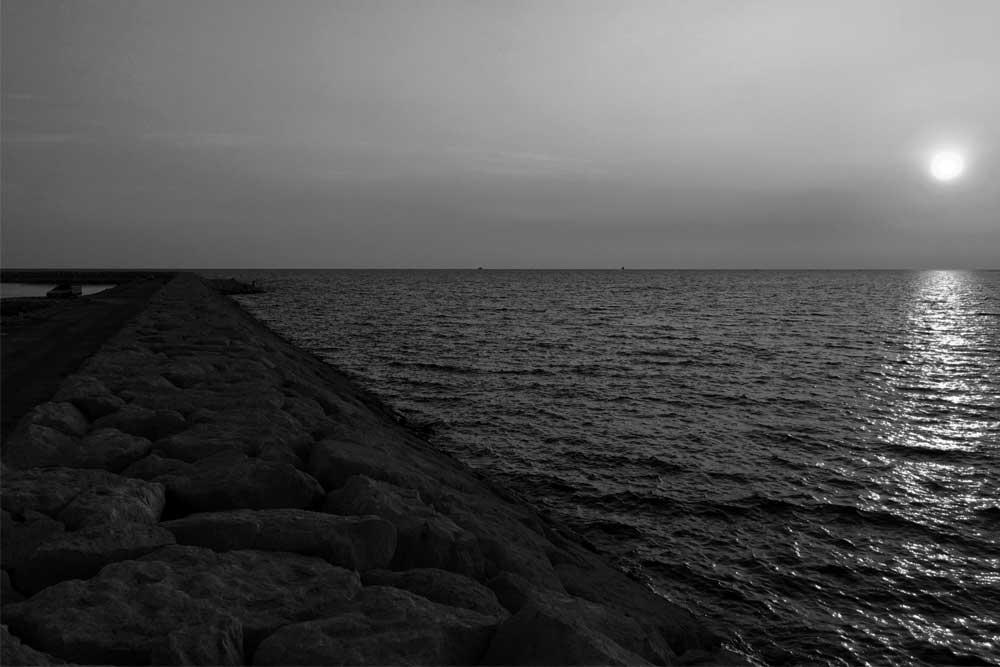
dayyer

Photo: Seyedhossein Razavinasab


Interview ID:

1,757

Bandar Parak Coastal Eco-Lodge, Kangan: Interview Analysis with a 38-Year-Old Male Owner

August 12, 2026

Abstract

This interview analysis explores the perspectives of a 38‑year‑old male owner of Bandar Parak Coastal Eco-Lodge in Kangan, Bushehr province. The lodge accommodates 44 guests and has operated for six years. Located directly on a sandy beach, it is the closest accommodation to the sea in the area. The owner’s primary goal was to make Bandar Parak known – a mission that has succeeded, as the lodge is now a regional landmark recognised even in neighbouring provinces like Fars.

The lodge deliberately preserves traditional elements: mudbrick (kâhgel) interiors and exteriors, floor sleeping (no beds), and portable Western‑style toilets for those who need them. A self‑catering kitchen allows guests to cook their own meals, reducing costs, while traditional seafood dishes (Majbus with chicken, fish, or meat; Mazrouba – a fish‑based halim) are available on order. The owner does not provide breakfast by default, keeping accommodation prices low – a strategy that has kept the lodge full even during rainy low‑season periods.

Cultural transmission occurs through explanation for first‑time visitors, while repeat guests (who form the majority) are already familiar with the area. Live local music (Bagpipes, a style the owner describes as more authentic than the Bushehri style) is played upon request. Staff wear casual, not traditional, clothing. The lodge has hosted international cycling tourists from Austria, Sweden, and Oman.

Environmental efforts include voluntary beach clean‑ups on Fridays, with guests invited to participate (about 1 in 10 join). A tragic drowning incident of a pregnant guest has led the owner to explicitly warn pregnant women about the dangerous rip currents near the shore. The owner also notes that many locals in Parak originally came from Dubai, and an Arabic dialect still persists – a historical curiosity that adds to the area’s distinct identity.

Extracted Insights

Key findings from the field interview

1. Proximity to the Sea as the Core Asset

The lodge’s primary attraction is its direct location on a sandy beach – the closest accommodation to the sea in the area. Guests can step out and immediately engage in beach activities: football, volleyball, walking, and morning exercises. This proximity is the main reason visitors choose the lodge over competitors. The owner emphasises that the beach is fully sandy, which is a key differentiator.

2. Traditional Architecture and Floor Sleeping

The owner deliberately preserved traditional building methods, consulting elderly locals about materials. The lodge features mudbrick (kâhgel) interiors and exteriors, evoking a sense of antiquity. Floor sleeping (no beds) is maintained throughout to convey an old‑fashioned, traditional feel. Western‑style toilets are provided but are portable/movable, reserved for those who need them – a practical compromise between authenticity and accessibility.

3. Self‑Catering as an Economic Strategy

To keep prices low and accessible, the lodge does not include meals by default. Instead, each unit has a kitchen where guests can cook for themselves. This reduces the total cost of stay and has proven commercially resilient – during rainy low‑season periods when other lodges are empty, Bandar Parak remains full. Traditional seafood dishes (Majbus with chicken, fish, or meat; Mazrouba – a fish‑based halim) are available on order for those who request them.

4. Making Bandar Parak Known: A Success Story

The owner’s primary motivation for establishing the lodge was to put Bandar Parak on the map. This goal has been achieved: the lodge is now a regional landmark, recognised even in neighbouring provinces like Fars (Shiraz). When locals give their address, they often reference the lodge as a point of reference – a testament to its branding success.

5. Repeat Visitors and Word‑of‑Mouth Marketing

The owner operates on an 80‑20 principle: 20% of visitors bring the other 80% through word‑of‑mouth. Most guests are repeat visitors from Shiraz and surrounding areas who already know the area well. For first‑time visitors, the owner provides explanations about local culture and sites. This reliance on repeat business and personal recommendations reduces the need for extensive formal marketing.

6. Cultural Transmission: Music, Dress, and Historical Context

Live local music (Bagpipes) is played upon request – a style the owner describes as more authentic and older than the Bushehri style, untouched by modern manipulation. Staff wear casual, not traditional, clothing. The owner notes a fascinating historical layer: many locals in Parak originally migrated from Dubai, and an Arabic dialect still persists among some residents. Traditional long robes (abayas) are now mostly worn only for special occasions like weddings, though some older residents still wear them daily.

Camera Camera Photo: Seyedhossein Razavinasab

7. Environmental Stewardship: Voluntary Beach Clean‑Ups

On Fridays, the owner and staff organise voluntary beach clean‑ups, providing plastic bags and gloves. Guests are invited to participate – about 1 in 10 join. This low‑key, participatory approach to environmental care reflects the lodge’s community‑embedded character. The owner frames it as an invitation rather than a requirement, respecting guests’ choice.

8. Safety Awareness and Tragedy

A tragic incident involving a pregnant guest who drowned due to strong rip currents near the shore has profoundly shaped the owner’s safety practices. He now explicitly warns all pregnant women not to enter the sea. The beach has dangerous drop‑offs just a few metres from the shore due to wave action – a hazard that is not immediately visible to visitors. The owner also recounts a positive rescue story: a female guest who could not swim was so mesmerised by the sea that she jumped in; he and the captain saved her from drowning, and her father still calls every year to thank them.

Conclusion

Bandar Parak Coastal Eco-Lodge in Kangan offers a compelling model of affordable, beach‑direct accommodation that has successfully put a small coastal village on the tourism map. Its success rests on several key pillars:

  • Unbeatable location: Directly on a sandy beach – the closest lodging to the sea in the area.
  • Authentic yet practical design: Mudbrick architecture, floor sleeping, and portable Western toilets balance tradition with accessibility.
  • Economic resilience through self‑catering: Removing meals from the default package keeps prices low and fills rooms even in low season.
  • Word‑of‑mouth dominance: Repeat visitors and personal recommendations drive 80% of business, reducing marketing costs.
  • Cultural sharing on request: Live Bagpipes music, historical context about Dubai‑origin locals, and safety warnings are offered as needed, not forced.
  • Community and environmental care: Voluntary beach clean‑ups invite guest participation, fostering shared responsibility.

The lodge demonstrates that simplicity, location, and genuine hospitality can outperform elaborate, high‑cost offerings. The owner’s pride in making Bandar Parak known – and the tragic lessons learned about sea safety – add depth to a story of resilience and community‑based tourism. This case offers a valuable lesson for coastal destinations: sometimes the best experience is the sea itself, framed by honest, unpretentious accommodation.