
Interview Overview

A 43‑year‑old man runs a historical homestay in Bandar‑e Siraf, Bushehr, inside his grandfather’s house. The 30‑guest lodge has operated for seven years. Guests experience ancient ruins (Lir Valley, Anahita Temple), coastal scenery, and local culture. No regular meals – only group orders. Six months closed due to heat. Live music, local dress, and authentic daily life are shared. Economic and political tensions affect business.

Participant Profile

Age: 43

Gender: Male

Capacity: 30 guests

Experience: 7 years

Interview Type: Telephone

Interview Date: December 15, 2025

Accommodation: Nasouri Brothers Siraf Echo Lodge

Location: Bandar Siraf-Bushehr
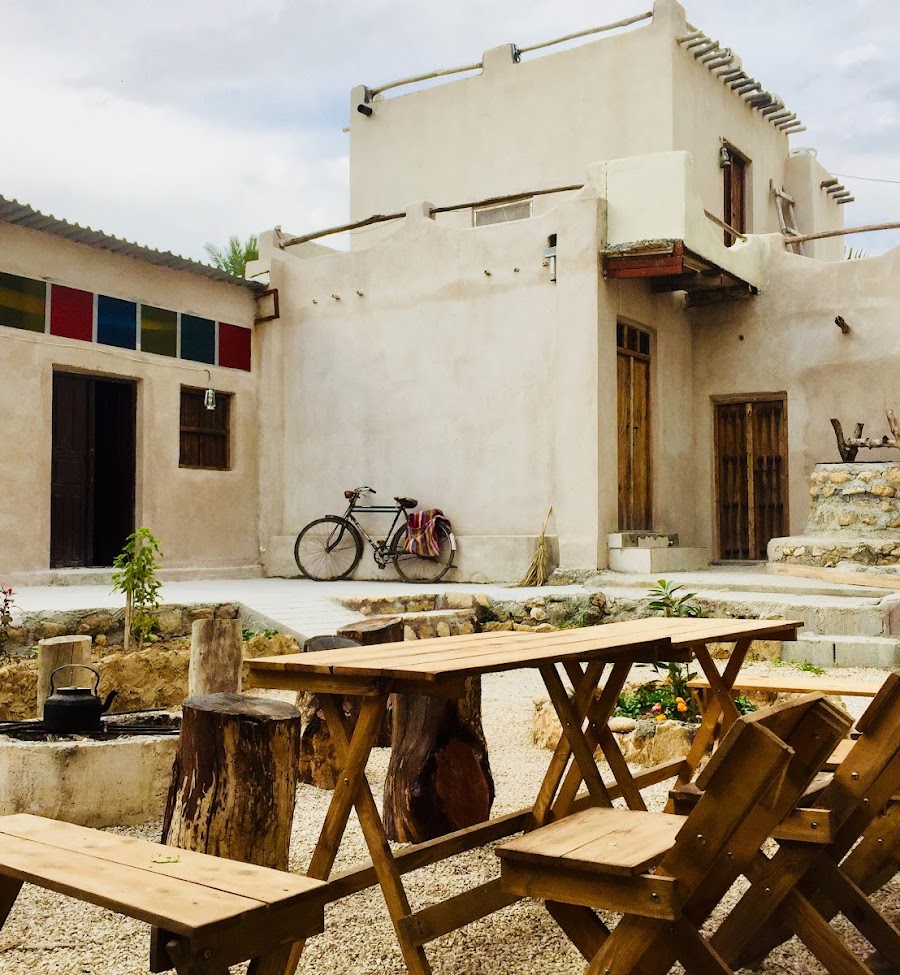
Nasouri Brothers Siraf Echo Lodge

Photo: Meysam Siasi


Interview ID:

1,687

Nasouri Brothers Siraf Echo Lodge, Bandar-e Siraf – Living Heritage – Interview Analysis with a 43-Year-Old Male Owner

August 12, 2026

Abstract

This interview analysis explores the perspectives of a 43‑year‑old male owner of a historical homestay in Bandar‑e Siraf, Bushehr province. The lodge, which accommodates 30 guests and has operated for seven years, is the owner’s ancestral house – a traditional building located on the ruins of the ancient port city of Siraf, destroyed by an earthquake and tsunami about 800 years ago. Unlike many eco‑lodges, this homestay does not offer regular meals (except for pre‑ordered group tours) and is closed for six months each year due to extreme heat. Visitors are drawn to the area’s rich archaeological heritage (Lir Valley rock‑cut monuments, Anahita Temple, the old city beneath modern houses), the nearby Hara jungle, industrial attractions (Asaluyeh gas fields), and the pristine coast. The owner deliberately keeps the house unchanged – preserving its original layout, materials, and domestic atmosphere. He plays live local music on occasions, and female staff wear traditional long dresses with shawls. Tour guiding is not organised; he recommends local guides or personally advises guests. Economic and political crises have drastically reduced international visitors (since the Ukrainian plane incident). Environmental efforts include beach clean‑up participation and advising guests to carry back their waste. The homestay represents a model of living heritage, where authenticity emerges from uninterrupted domestic life, not staged experiences.

Extracted Insights

Key findings from the field interview

1. Living Heritage: The House as an Unchanged Ancestral Home

The owner has deliberately not altered the house’s traditional structure. It remains exactly as his grandfather used it – only restored, not redesigned. Guests stay in original 5‑6 old rooms, sharing the owner’s daily life. This contrasts with many eco‑lodges that reconstruct “traditional” spaces for commercial appeal. Here, authenticity is rooted in continuity of dwelling – the owner and his wife live there permanently, and guests become temporary participants in an ongoing domestic routine.

2. Siraf’s Archaeological Riches as a Unique Tourism Asset

Siraf is not merely a coastal town; it sits atop the ruins of a wealthy ancient port destroyed by a natural disaster 800 years ago. The owner highlights the Lir Valley (Darreh‑e Lir) with its rock‑cut pools, wells, cisterns, and the Anahita Temple carved into the mountainside. Additionally, parts of the old city have been unearthed beneath modern houses. This multi‑layered history – Sassanian, early Islamic – gives the homestay a distinct positioning: cultural and archaeological tourism combined with coastal stay. The owner recommends night walks through Siraf’s old alleys, the ancient Jameh Mosque, and compares the traditional fabric to that of Kong and Lengeh.

3. Seasonal and Political-Economic Constraints: Six Months of Closure

A remarkable finding is that the lodge is completely closed for six months (the hot half of the year). The owner states, “We are like flowing water – half the year we have no activity because of heat.” Furthermore, each year brings new tensions – economic (inflation, sanctions) or political – directly affecting income. He notes that since the Ukrainian plane incident, international tourists have dropped to perhaps one per year. This extreme seasonality and vulnerability to external shocks are critical challenges for heritage‑based coastal tourism in southern Iran.

4. Food: Minimal Provision, Referral to Local Eateries

Unlike most eco‑lodges that prioritise local cuisine, this homestay does not provide regular meals. The owner explains that cooking is difficult and expensive. Most guests are out during the day visiting sites. For groups, pre‑ordered seafood can be arranged. Otherwise, the owner recommends nearby fast‑food outlets and restaurants in the city. This pragmatic choice reduces operational complexity and allows the owner to focus on accommodation and cultural exchange.

Camera Camera Photo: Hossein Ebrahimi

Mar 2025

5. Cultural Performances: Live Music, Local Dress, and Spontaneous Conversation

The owner actively shares culture without heavy commercialisation. On appropriate occasions, he plays live local music (unlike the first two lodges where music was excluded or left to guests). Female staff and family members wear traditional long dresses with shawls; men wear everyday local or Arabic‑style clothing. The owner’s local Persian dialect and daily activities become part of the guest experience. He believes that the very philosophy of an eco‑lodge is to immerse visitors in the host’s everyday life – and he lives that philosophy.

6. Selective Visibility: What Is Shown and What Is Withheld

The owner candidly admits that some aspects of modern local life are better not shown to tourists, not because they are inherently bad, but because visitors lack cultural context and might form incorrect judgments. He prefers to direct attention to the positive, interesting, and beautiful elements of the culture – a deliberate curatorial choice that acknowledges the limits of cross‑cultural understanding.

7. Environmental Stewardship: Participatory and Advisory

The homestay does not run its own beach clean‑ups, but the owner participates when invited by local groups. More importantly, he advises guests to carry waste bags and bring back all litter from beaches or natural sites. He avoids direct confrontation; instead, he guides guests through friendly counsel so they realise their own mistakes. This low‑key, non‑judgmental approach to environmental protection fits the small‑scale, family‑run character of the operation.

Conclusion

Siraf Historical Homestay offers a distinctive model of living heritage tourism, where a centuries‑old coastal house remains an unchanged family home while welcoming guests. Unlike purpose‑built eco‑lodges, authenticity here flows from uninterrupted domestic life – the owner’s daily routines, local dialect, live music, and the very walls that have sheltered generations. Key conclusions:

  • Archaeological depth as core asset: The ancient port of Siraf, the Lir Valley rock monuments, and the buried old city provide a unique cultural narrative that goes beyond beach tourism.
  • Uncompromised authenticity: No structural changes to the ancestral house; no regular meals or staged services; guests step into a real, ongoing home.
  • Extreme seasonality and vulnerability: Six months of forced closure due to heat, plus recurring economic/political shocks, make this a fragile but resilient business model.
  • Selective cultural presentation: The owner intentionally omits certain modern aspects that might be misunderstood, highlighting only the positive and beautiful – a conscious ethical choice.
  • Low‑key environmental practice: Participatory clean‑ups and friendly waste‑carry advice replace formal sustainability programmes.

The homestay thrives on genuine human connection: guests become temporary family members, sitting together, talking, and sharing evenings. The owner’s best feedback is that visitors leave as friends. This case offers a valuable lesson for heritage‑based coastal tourism: sometimes the most authentic experience is not designed at all – it is simply lived and shared.