5. Family‑Run Operations: Owner, Wife, and Sister‑in‑Law
The lodge is entirely family‑run. The owner and his wife manage the accommodation, and his sister‑in‑law serves as the cook. They cannot afford to hire additional staff. This small‑scale, intimate operation limits the range of services but ensures personal attention and a homely atmosphere.
6. Homegrown Herbs, Local Bread, and Yoghurt
The lodge grows its own herbs in the garden. Breakfast includes local bread (nan‑e mahalli) and yoghurt, prepared traditionally. Some meals are prepared in‑house, while others are outsourced for larger groups. The owner emphasises the freshness and authenticity of the ingredients.
7. The Owner as a Local Guide (Limited Tours)
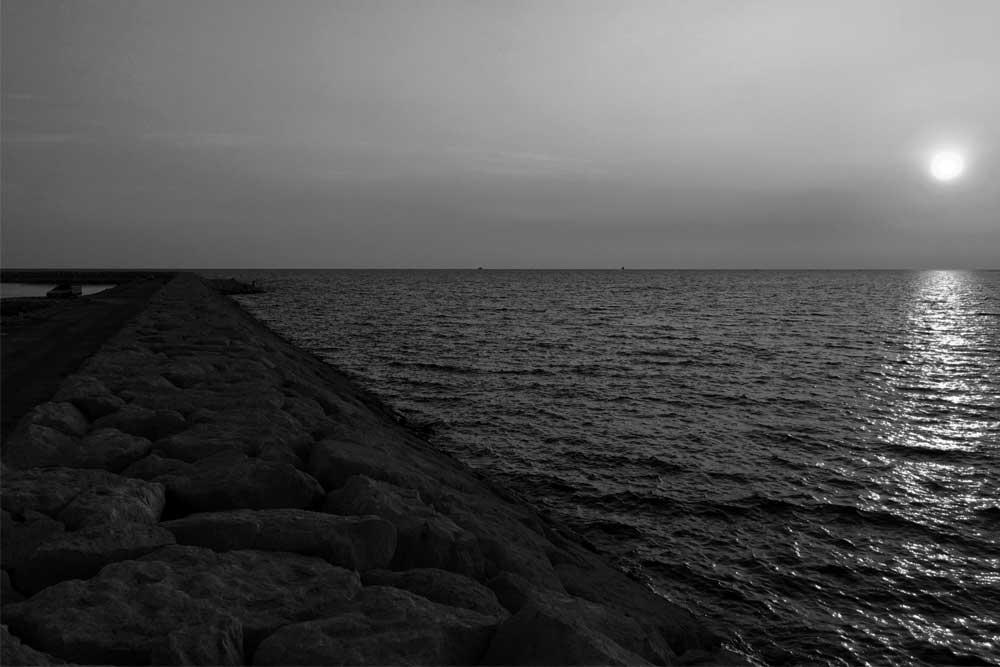
The owner does not organise formal tours but has personally taken guests to the salt mountain, fire temples (Atashkadeh), the old fabric of Delvar, and fishing jetties. He notes that these destinations appeal to guests interested in history and nature. He also mentions that he does not have international guests.
8. Local Dialect and Cultural Transmission
The owner notes that the region has a distinct local dialect that is difficult for outsiders to understand. He shares this with interested guests during evening gatherings (shab‑neshini). He does not play live music or arrange performances by elders, primarily due to financial constraints and his limited income. Cultural transmission is limited to conversation and shared meals.
9. Honesty About Limitations
The owner is candid about what the lodge does not offer. There is no distinctive “element” that makes the lodge stand out, other than the Kato spring‑well. He does not advertise anything he cannot deliver. Guests are told that the main attractions are the natural landscape, the village’s warm people, and the historical spring‑well.
 https://www.siminyousefi.com